


Por que o leite seria um grande indutor de Esofagite Eosinofílica?
When symptoms or doubts arise involving Eosinophilic EsophagitisDistinguishing between scientifically validated information and palliative care makes all the difference in the evolution of respiratory, skin, and systemic health. This page aims to deepen understanding of... "Por que o leite seria um grande indutor de Esofagite Eosinofílica?", providing clear context on how the immune system reacts, which signs require medical attention, and how to structure individualized and effective care.
✔ Medical content reviewed and validated by the founding clinical staff of the Brazil Without Allergies Project
Dr. Marcello Bossois (CRM-RJ 52.73214-1) · Dr. Patricia Schlinkert (CRM/RJ 5274541-3) — more than 30 years of history in Allergy and Immunology, with units in Rio de Janeiro, São Paulo and Paraná. Last reviewed: November 2026.
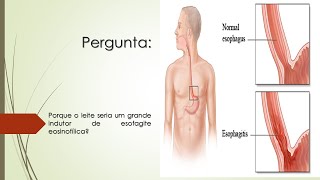
Por que o leite é um dos principais indutores da esofagite eosinofílica?
A esofagite eosinofílica é uma doença inflamatória crônica do esôfago que tem atraído grande atenção na prática clínica devido à sua forte relação com a resposta alérgica a determinados alimentos. Entre os diversos gatilhos alimentares conhecidos, o leite de vaca destaca-se como um dos agentes mais potentes e frequentes no desenvolvimento e na manutenção desse processo inflamatório.
Na rotina do especialista em alergia e imunologia, a associação entre o leite e a esofagite eosinofílica é tão marcante que, muitas vezes, adota-se a suspensão empírica desse alimento mesmo antes da identificação laboratorial definitiva ou da realização de testes cutâneos específicos. Junto com o trigo, o leite forma o grupo principal de alimentos que frequentemente exigem exclusão imediata do plano alimentar do paciente para o controle adequado da inflamação esofágica.
Mecanismos imunológicos e lesão da barreira esofágica
O impacto negativo do leite sobre a mucosa do esôfago decorre de mecanismos moleculares específicos. O alimento contém substâncias como os esfingolipídeos, que atuam lesionando diretamente a barreira epitelial do esôfago. Essa agressão inicial desencadeia uma série de cascatas inflamatórias e imunológicas:
- Redução da expressão de proteínas essenciais para a integridade da barreira epitelial;
- Aumento da produção de citocinas inflamatórias e mediadores como a interleucina-13 e a linfopoietina estromal tímica;
- Estímulo à liberação de interleucina-5, responsável pela ativação e pelo influxo acentuado de eosinófilos para o tecido esofágico.
Esse conjunto de alterações resulta na infiltração eosinofílica característica que define a esofagite eosinofílica, provocando sintomas como dificuldade para engolir, sensação de alimentos presos e dor torácica.
Abordagem terapêutica e perspectivas de manejo
Diante da forte evidência científica e clínica, a retirada do leite de vaca — e frequentemente do trigo — torna-se uma conduta fundamental e mandatória no manejo de pacientes diagnosticados com esofagite eosinofílica, mesmo quando a relação de causa e efeito ainda está sob investigação por meio de exames complementares. Enquanto a restrição para outros grupos alimentares pode ser motivo de debate e exigir avaliações individualizadas mais complexas, a exclusão dos laticínios permanece como um pilar incontestável no tratamento.
Nota importante: Este conteúdo possui caráter exclusivamente educativo e informativo, não substituindo em hipótese alguma a consulta, o diagnóstico e o acompanhamento individualizado com um médico especialista.
Developments in Evidence-Based Medicine: Differential Diagnosis between Food Allergy and Intolerances
The international guidelines on Food Allergy and Gastroenterology (EAACI/ASBAI) emphasize the precise pathophysiological distinction between immune-mediated food allergy — directed against specific protein fractions in food (such as casein, alpha-lactalbumin, and beta-lactoglobulin in cow's milk protein allergy; ovomucoid in eggs; or tropomyosin in crustaceans), which may be IgE-mediated (risk of immediate anaphylaxis), non-IgE-mediated, or mixed (as in eosinophilic esophagitis and allergic proctocolitis) — and enzymatic or fermentative food intolerances (such as hypolactasia/lactose intolerance and visceral hypersensitivity to fermentable carbohydrates FODMAPs), which do not involve an immune response or anaphylactic risk. The gold standard diagnosis relies on clinical history, specific IgE for molecular components (Component-Resolved Diagnostics), skin tests and, when indicated, oral provocation test (OPT) supervised, avoiding unnecessary restrictive diets.
💎 Diamond Plan — Eating safely and without fear of adverse reactions starts with an accurate diagnosis. Speak with an Allergy and Immunology specialist via teleconsultation, from anywhere in Brazil. Schedule a teleconsultation →
Note: Subject to prior medical evaluation (in person or via telemetry/telemedicine). Immunotherapy uses allergen-specific vaccines, which requires a prescription from the attending physician and must be administered under direct medical supervision.
Mechanisms of Food Allergy, Accurate Diagnosis and Nutritional Management
IgE-Mediated Allergy, Mixed Allergy, and Difference from Enzyme Intolerances
In contemporary allergology, it is essential to differentiate the immunological reaction against food proteins—such as casein, alpha-lactalbumin, and beta-lactoglobulin in cow's milk, ovomucoid in eggs, or tropomyosin in crustaceans—from non-immune digestive intolerances, such as lactase enzyme deficiency. While intolerance causes abdominal distension, flatulence, and osmotic diarrhea restricted to the digestive tract, food allergy involves Th2 lymphocytes and IgE antibodies or eosinophilic cellular inflammation, and can cause acute urticaria, angioedema, bronchospasm, proctocolitis, or anaphylaxis within minutes of ingesting trace amounts.
Label Reading, Desensitization, and Food Safety
Successful management relies on education about cross-contamination, careful reading of labels regulated by Anvisa (Brazilian Health Regulatory Agency), and conducting... allergy test to map the true clinical triggers. Once the diagnosis is confirmed, institute protocols of food allergy treatment individualized — combined with monitoring of respiratory comorbidities such as allergy vaccine Depending on the immune profile, it offers effective protection and a significant improvement in the quality of family life.
Epithelial Barrier, Eosinophilic Inflammation, and Intestinal Permeability
The balance between commensal microbiota and the digestive mucosa directly regulates systemic immunological tolerance. Proteins such as gliadin can modulate zonulin release in genetically susceptible individuals (carriers of HLA-DQ2 or HLA-DQ8 alleles in celiac disease), increasing intestinal permeability and perpetuating local and extraintestinal inflammatory cascades. Careful distinction between celiac autoimmunity, IgE-mediated wheat allergy, and FODMAP carbohydrate fermentation avoids inappropriate management.
Diamond Plan: Specialized Allergy Treatment Wherever You Are
We know that, for many families, allergy treatment faces two concrete obstacles: high cost of allergy vaccines and the distance to a specialized centerThe Diamond Plan It was created precisely to remove these barriers, combining teleconsultation with specialists and easy access to immunotherapy throughout the country. Eating safely and without fear of reactions starts with an accurate diagnosis.
Why do patients across Brazil choose the Diamond Plan?
- Teleconsultation with a specialist In Allergy and Immunology, without queues and without long commutes — ideal for those who live far from large cities.
- easy access to Immunotherapy (including allergy vaccines and immunostimulants) — indicated for the treatment of allergic rhinitis, asthma, bronchitis, atopic dermatitis, insect/mosquito bite allergy (prurigo strophulus), recurrent candidiasis, and for increasing immunity in selected patients — capable of modifying the natural course of allergic disease, always through consultation and individualized prescription.
- A more accessible route For those facing the high cost of allergy vaccines, this plan offers support for continuity of treatment.
- Continuous monitoring based on clinical evolution, with adjustments to treatment throughout the entire therapeutic cycle.
- National coverage, backed by a consolidated physical network and a founding clinical team with over three decades of experience.
More than 30 years caring for people with allergies.
Founded and run by Dr. Marcello Bossois (CRM-RJ 52.73214-1) and by Dr. Patrícia Schlinkert (CRM/RJ 5274541-3)The Brazil Without Allergies Project adds... more than 30 years of history and more than 450,000 free services, with physical presence at Rio de Janeiro, São Paulo and Paraná, one mobile clinic bus that brings testing and consultations to communities with limited access to specialized care and a platform of telemedicine which connects patients from all states to the same standard of care.
START TODAY
Your expert consultation is just a click away.
I want to join the Diamond Plan.Schedule a teleconsultation
Official telemedicine environment: brasilsemalergia.online
Do you prefer to be served in person?
Our clinical units They conduct consultations, allergy tests, and immunotherapy follow-up with doctors in person:
- Rio de Janeiro: Realengo (West Zone), North Zone, Duke of Caxias, Xerém, New Iguaçu, Itaguaí, Niterói, Iguaba Grande and Saint Peter of the Village (Lakes Region).
- São Paulo: Campo Limpo (South Zone).
- Paraná: Curitiba.
Schedule your in-person appointment. Or check the mobile bus schedule through the customer service center on WhatsApp. (21) 99954-5632.
The indication for immunotherapy, and for any treatment, depends on an individual medical evaluation. This content is for informational purposes only and does not replace consultation with a specialist.
Note: Subject to prior medical evaluation (in person or via telemetry/telemedicine). Immunotherapy uses allergen-specific vaccines, which requires a prescription from the attending physician and must be administered under direct medical supervision.
Conclusion and Summary of Guidelines
In summary, the appropriate approach to Eosinophilic Esophagitis It requires a clear understanding of the immunological mechanisms involved, precise etiological diagnosis, and individualized medical follow-up. Avoiding self-medication and investigating the root cause of symptoms—relying on specialized resources and reliable guidance such as specialized allergy and immunology care when clinically relevant—is the safest way to control flare-ups, prevent complications, and ensure sustainable quality of life.
Scientific references and authoritative sources
The guidelines on this page follow the guidelines and literature of leading international Allergy and Immunology institutions. For further information:


