


Food allergy test
✔ Medical and scientific content reviewed and validated. by the founding clinical staff of the Brazil Without Allergies Project
Dr. Marcello Bossois (CRM-RJ 52.73214-1) · Dr. Patricia Schlinkert (CRM/RJ 5274541-3) — more than 30 years of history in Allergy and Clinical Immunology, with units in Rio de Janeiro, São Paulo and Paraná. Last reviewed: November 2026.
 Identifying foods that may be causing allergic reactions is fundamental for accurate diagnosis and prevention of serious, and often fatal, illnesses. Food allergy is a serious condition that needs to be evaluated promptly with early medical guidance. There are basically 3 types of food allergic reactions; - Food allergic reaction not mediated by IgE antibodiesAllergic reaction mediated by IgE antibody; Mixed reaction (mediated and not mediated by IgE antibody).
Food allergies involving the IgE antibody. It can be fatal in some cases, leading to a severe allergic reaction called Anal shock or anaphylaxisIf you experience one or more of the following reactions after consuming the food, such as giant hives all over your body, acute diarrhea, vomiting, intense itching all over your body, cough, shortness of breath, drop in blood pressure, increased heart rate, swelling of the lips and mucous membranes in general, you need to seek emergency medical attention immediately for measures to reverse the condition. In addition, as directed by your doctor, you should use... epinephrine auto-injector (EPIPEN) right after the reactions begin.

Food allergies that do not involve the immunoglobulin IgE can be caused by several factors, including the production of IgG antibodies, contact allergies to food, direct reactions of food antigens in the intestinal immune system, and other factors. Unlike IgE-mediated food allergies, non-IgE-mediated allergies are restricted to the gastrointestinal tract; that is, symptoms are linked to this system, such as diarrhea, nausea, vomiting, abdominal pain, cramps, gas production with increased abdominal volume, and decreased nutrient absorption. Examples include... dietary protein-induced proctocolitiscausing significant pain and discomfort in the anus and rectum, with the elimination of bright red blood in the stool, and a serious condition called... FPIES (abbreviation for food protein-induced enterocolitis syndrome)This last one, because it affects the entire intestine of the patient, especially in children, can lead to a significant decrease in the absorption of fluids and nutrients, leading, in some cases, to death if not diagnosed early by their allergist.
Find out which food allergy tests can detect the causative agent.
Here we will discuss the main points. food allergy tests:
Allergy test for peanuts;
Allergy test for shrimp;
Allergy test for pork;
Allergy test for chocolate;
Allergy test for milk.
 Some people know exactly which foods cause their allergies. For example, they eat shrimp or a shrimp product and immediately develop skin rashes. Others need a doctor's help to find the cause. Sometimes, symptoms only appear many hours after eating the problematic food, making it difficult to identify the problem.
Fortunately, food allergy testing and diagnosis are widely performed in our facilities. Rio de Janeiro.
Identifying foods that may cause allergic reactions through food allergy tests It is fundamental for accurate diagnosis and prevention of serious and often fatal diseases.
Food allergy is a serious condition that needs to be evaluated promptly with early medical guidance.
Food allergy tests are very effective as long as they are performed correctly and interpreted by an allergist.
Allergy test for peanuts;
Allergy test for shrimp;
Allergy test for pork;
Allergy test for chocolate;
Allergy test for milk.
Skin or blood tests are reliable and can determine the presence or absence of food allergies.
Your allergist will interpret the results of allergy tests for peanuts, shrimp, pork, chocolate, and milk, and use them to help with the diagnosis.
A positive result on one of the food allergy tests does not always indicate that the patient will react to that food when ingested. A positive test may only indicate sensitization to that food, and to know if the disease is present, a doctor needs to evaluate the signs and symptoms along with the results of the food allergy test.
Allergy tests on the skin for food
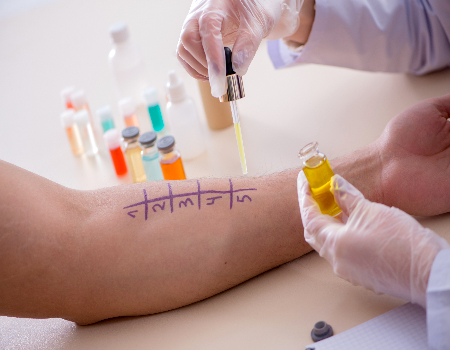
 THE food allergy test Skin prick tests for milk, chocolate, shrimp, peanuts, and pork are performed in a doctor's office, without discomfort to the patient, and provide results in 15 to 30 minutes.
Allergy tests for food through blood tests with IgE antibody measurement and the protein components of each food:
Allergy tests for peanuts, shrimp, pork, chocolate, and milk, performed through blood tests, are less sensitive but more specific; that is, a false negative is possible, but a positive result indicates a very high chance that the patient is indeed sensitized. They measure the amount of antibodies. IgE for the specific food, or component thereof, that is being tested.
THE level of IgE antibodies found for a food A test specific to any type of food test does not necessarily predict how severe your reaction will be if you eat that food. There is a difference between sensitization and allergy. Often, a patient has a positive test, meaning they are sensitive, but do not develop the allergic disease. Therefore, the interpretation of your allergist is crucial to determine whether or not the food should be removed from the diet.
Food withdrawal and provocation test
This test can be used for diagnostic confirmation of non-IgE-mediated and IgE-mediated food allergies when the causative agent is uncertain. It can be performed nasally, bronchially, ophthalmically, or by ingesting the suspected food itself. This test should only be performed under strict medical supervision and in high-complexity healthcare facilities due to the risk of developing severe allergic reactions such as anaphylaxis, anaphylactic shock, and severe acute diarrhea.
Schedule your appointment
RIO DE JANEIRO
Telephone: +55 (21) 4063-8720
WhatsApp: +55 (21) 999545632
CURITIBA
Telephone: +55 (41) 3542-1838
Scientific references and institutional guidelines
The educational guidelines on this portal follow the clinical consensus of the leading medical societies of Allergy and Immunology:



 The Brazil Without Allergies Project consolidated its trajectory of care and social inclusion in 2007, when allergists and immunologists Dr. Marcello Bossois and Dr. Patrícia Schlinkert began volunteer work in Duque de Caxias, Rio de Janeiro, to assist the population affected by soot from the Reduc Refinery. What began as an emergency and temporary action became a permanent project of public utility, recognized by Municipal Law 3393 of 2024. With more than 700,000 consultations carried out, the project is now expanding its reach with the inauguration of a new unit in São Paulo, in the Campo Limpo neighborhood, in the southern part of the capital, reaffirming its commitment to bringing health to those who need it most. Through an initiative that complements the Brazilian Unified Health System (SUS), the "Brazil Without Allergies" program offers free allergy consultations and allergy testing to identify conditions such as rhinitis, asthma, bronchitis, atopic dermatitis, sinusitis, urticaria, food hypersensitivity, prurigo strophulus (insect bite allergy), otitis, and allergic conjunctivitis. The specialized care includes pediatric and adult allergists and offers allergy vaccines at affordable prices with the support of ABBAA. In addition to the new unit in Campo Limpo, the project is present in Rio de Janeiro in Duque de Caxias, Realengo, Nova Iguaçu (Red Cross building), Niterói, São Gonçalo, Maricá, Itaguaí, Xerém, and Iguaba, as well as Curitiba in Paraná, and also has national mobile units and initiatives in Africa and the United States. Prioritizing social inclusion, the project focuses on providing free care to those most in need. To schedule your appointment with an allergist and take your free allergy test, contact us by phone: Rio de Janeiro ☎️ +55 (21) 4063-8720, São Paulo ☎️ (11) 4210-1437, Curitiba ☎️ +55 (41) 3542-1838 or via WhatsApp 📲 +55 (21) 999545632, obtaining detailed locations and a link to the Campo Limpo map through the official website https://www.brasilsemalergia.com.br/.
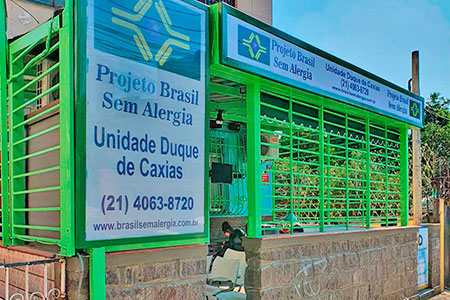 The Brazil Without Allergies Project consolidated its trajectory of care and social inclusion in 2007, when allergists and immunologists Dr. Marcello Bossois and Dr. Patrícia Schlinkert began volunteer work in Duque de Caxias, Rio de Janeiro, to assist the population affected by soot from the Reduc Refinery. What began as an emergency and temporary action became a permanent project of public utility, recognized by Municipal Law 3393 of March 25, 2024. With more than 700,000 consultations carried out, the project is now expanding its reach with the inauguration of a new unit in São Paulo, in the Campo Limpo neighborhood, in the southern part of the capital, reaffirming its commitment to bringing health and quality of life to those who need it most. Through an approach that complements the Brazilian Unified Health System (SUS) and international health systems, the "Brazil Without Allergies" project offers free allergy consultations and tests to identify pathologies such as rhinitis, asthma, bronchitis, atopic dermatitis, sinusitis, urticaria, food hypersensitivity, prurigo strophulus, otitis, and allergic conjunctivitis. The specialized care is provided by pediatric and adult allergists and offers allergy vaccines at affordable prices with the support of the Brazilian Beneficent Association for Allergy Support (ABBAA). In addition to the new unit in Campo Limpo, the project is present in Rio de Janeiro (Duque de Caxias, Realengo, Nova Iguaçu, Itaguaí, Xerém, Niterói, and Iguaba), as well as Curitiba in Paraná, and also has mobile units serving all of Brazil and international operations in Africa and the United States. Prioritizing social inclusion, the project encourages patients with health insurance plans to use their affiliated networks so that free and social care is focused on those who need it most. To schedule your appointment and take the free allergy test, patients can contact us by phone in Rio de Janeiro (21) 4063-8720, in São Paulo (11) 4210-1437, in Curitiba (41) 3542-1838 or via WhatsApp (21) 999545632, obtaining all the information and detailed locations through the official website brasilsemalergia.com.br
 The Brazil Without Allergies Project consolidated its trajectory of care and social inclusion in 2007, when allergists and immunologists Dr. Marcello Bossois and Dr. Patrícia Schlinkert began volunteer work in Duque de Caxias, Rio de Janeiro, to assist the population affected by soot from the Reduc Refinery. What began as an emergency and temporary action became a permanent project of public utility, recognized by Municipal Law 3393 of 2024. With more than 700,000 consultations carried out, the project is now expanding its reach with the inauguration of a new unit in São Paulo, in the Campo Limpo neighborhood, in the southern part of the capital, reaffirming its commitment to bringing health to those who need it most. Through an approach that complements the SUS (Brazilian Public Health System), Brazil Without Allergies offers free and paid allergy testing consultations with allergists for various pathologies. We conduct tests to detect allergies that cause atopic dermatitis, asthma 🌬️, bronchitis 🫁, rhinitis, and prurigo strophulus (allergy to insect bites 🦟), including specific tests for dust, animal dander, food, and mosquitoes. Specialized care is provided by pediatric and adult allergists and offers allergy vaccines at affordable prices with the support of ABBAA. In addition to the new unit in Campo Limpo, the project is present in Rio de Janeiro in Duque de Caxias, Realengo, Nova Iguaçu (Red Cross building), Niterói, São Gonçalo, Maricá, Itaguaí, Xerém, and Iguaba, as well as Curitiba in Paraná, and also has national mobile units and outreach programs in Africa and the United States. Prioritizing social inclusion, the project focuses on providing free care to those who need it most. To schedule your appointment with an allergist and take your allergy test, contact us by phone: Rio de Janeiro ☎️ +55 (21) 4063-8720, São Paulo ☎️ (11) 4210-1437, Curitiba ☎️ +55 (41) 3542-1838 or via WhatsApp 📲 +55 (21) 999545632, obtaining detailed locations and the link to the Campo Limpo map through the official website https://www.brasilsemalergia.com.br/.
 Brazil Without Allergies' specialized care focuses on accurate diagnosis and accessible treatment of conditions such as atopic dermatitis, asthma 🌬️, bronchitis 🫁, rhinitis, and prurigo strophulus (allergy to insect bites 🦟). Our new unit in Campo Limpo, São Paulo, follows the network's standard of excellence, offering tests to detect allergies caused by dust, animal dander, and food. As a social inclusion project that complements the SUS (Brazilian Public Health System), we offer free and paid tests and treatments, relying on the fundamental support of ABBAA to make allergy vaccines available at affordable prices. We prioritize free care for those who need it most, encouraging patients with health insurance to use their own networks. Schedule your free allergy test 🆓 by contacting us at the following numbers: São Paulo ☎️ (11) 4210-1437, Rio de Janeiro ☎️ (21) 4063-8720 or Curitiba ☎️ (41) 3542-1838. You can also access the map of the new Campo Limpo unit or get more details on the institution's official website. Internationally recognized for its actions in Africa and the United States, the Brazil Without Allergies Social Project expands its health protection network with its arrival in Campo Limpo, in the South Zone of São Paulo. With a record of 700,000 consultations, our structure uses fixed clinics and mobile buses to bring allergist consultations and allergy tests to various regions, including Curitiba, Niterói, São Gonçalo, Maricá, Itaguaí and the Baixada Fluminense. We are a non-profit organization that seeks to democratize access to allergy vaccines and specialized treatments for sinusitis, otitis, and allergic conjunctivitis. Operating in accordance with ethical and legal standards, our medical team prioritizes social inclusion and overall well-being. To schedule appointments in São Paulo ☎️ (11) 4210-1437, Rio de Janeiro ☎️ (21) 4063-8720 or via WhatsApp 📲 (21) 999545632. Visit the website https://www.brasilsemalergia.com.br/ to find the unit nearest you and begin your treatment with a team that has been a leader in allergy health since 2007.
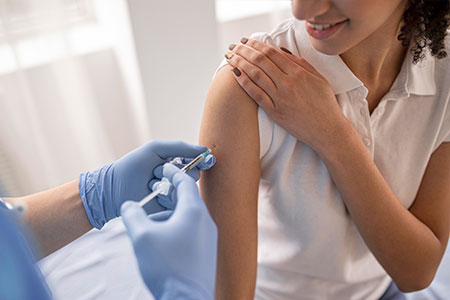 Protect Yourself with Vaccines at the Brazil Without Allergies Project! Vaccines are a safe and effective way to prevent diseases such as influenza, yellow fever 🟡, meningitis, pneumonia 🫁, and various allergies! The Brazil Without Allergies Project offers some free vaccines and medications through campaigns and sponsorships to help you have better health and quality of life. Our Locations — Rio de Janeiro: Duque de Caxias, Nova Iguaçu, Realengo, Itaguaí, Iguaba Grande (Red Cross) and Xerém. Paraná: Curitiba. 🩺 Our Services: We offer vaccines for Bronchitis 🫁, Rhinitis, Asthma, Atopic Dermatitis, and Candidiasis. Schedule your appointment! Phone RJ +55 (21) 4063-8720 and SP 11 4210-1437 ☎️WhatsApp: +55 (21) 999545632 Phone (Curitiba): +55 (41) 3542-1838 ☎️Find Our Locations Visit our website for complete addresses: https://www.brasilsemalergia.com.br/
 The Brazil Without Allergies Project 🇧🇷❤️ is the result of a journey of care and inclusion that began in 2007, when Dr. Marcello Bossois, an allergist and immunologist in Duque de Caxias, started volunteer work at a community association in the Baixada Fluminense region. What began as temporary support for local residents affected by the high incidence of allergies caused by soot from the region's refinery became a permanent project due to immense social demand. With the arrival of Dr. Patrícia Schlinkert, also an allergist in Duque de Caxias, the initiative strengthened, transforming into a public service organization that has already provided more than 700,000 consultations. Today, the project expands this legacy to São Paulo, with a new unit in the Campo Limpo neighborhood, in the southern part of the capital, reinforcing its mission to democratize access to healthcare. We offer specialized medical care and free 🆓 and paid allergy tests for conditions such as atopic dermatitis, asthma 🌬️, bronchitis 🫁, rhinitis, and prurigo strophulus (insect bite allergy 🦟). Complementing the work of the SUS (Brazilian Public Health System), Brasil Sem Alergia (Brazil Without Allergies) also offers allergy vaccines at affordable prices with the support of ABBAA (Brazilian Association of Allergy and Allergy). In addition to the new Campo Limpo unit, the project maintains units in Rio de Janeiro (Duque de Caxias, Nova Iguaçu, Realengo, Itaguaí, Xerém, Niterói, São Gonçalo, Maricá, and Iguaba Grande) and Paraná (Curitiba), as well as mobile units and international operations. To schedule your appointment with an allergist, contact us by phone: São Paulo ☎️ (11) 4210-1437, Rio de Janeiro ☎️ (21) 4063-8720, Curitiba ☎️ (41) 3542-1838 or via WhatsApp 📲 (21) 999545632. Check the detailed locations, including the Campo Limpo map, on the official website https://www.brasilsemalergia.com.br/.
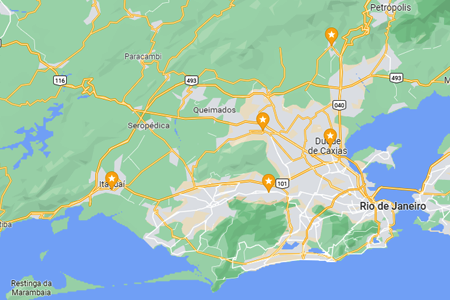 The Brazil Without Allergies Project consolidates its national presence and expands its reach with fixed units in Rio de Janeiro, Paraná, and now, in the capital of São Paulo, in the Campo Limpo neighborhood, South Zone. In addition to the physical clinics, the project has a strategic Mobile Unit that brings specialized medical care and free allergy tests to various cities, facilitating access to healthcare in remote regions. With over 700,000 consultations carried out since 2007 under the coordination of Dr. Marcello Bossois and Dr. Patrícia Schlinkert, the initiative complements the SUS (Brazilian Public Health System), offering support in the diagnosis and treatment of atopic dermatitis, asthma, bronchitis, rhinitis, and prurigo strophulus (allergy to insect bites). The new Campo Limpo unit in São Paulo reinforces this commitment, offering consultations with allergists and tests to identify allergic triggers. The project also provides allergy vaccines at affordable prices with the support of ABBAA, ensuring continuity of treatment. In Rio de Janeiro, fixed units serve Duque de Caxias, Nova Iguaçu (Red Cross), Realengo, Itaguaí, Iguaba Grande, Xerém, and Niterói, while in Paraná, service is provided in Curitiba. Prioritizing social inclusion, Brasil Sem Alergia focuses its efforts on those most in need, with international operations and mobile clinics. To schedule your appointment with an allergist and take your allergy test, contact us by phone: São Paulo ☎️ (11) 4210-1437, Rio de Janeiro ☎️ (21) 4063-8720, Curitiba ☎️ (41) 3542-1838 or via WhatsApp 📲 (21) 99545632. You can check the availability of the mobile unit in your region, see the map of the Campo Limpo unit and find all complete addresses on the official website https://www.brasilsemalergia.com.br/.
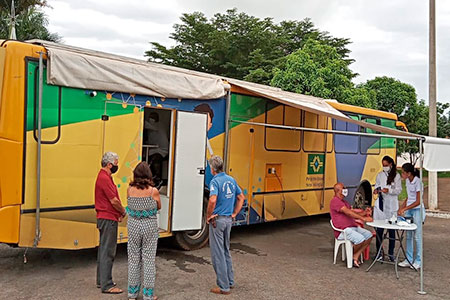 The Brazil Without Allergies Project reinforces its mission of social inclusion through its mobile and itinerant unit, which travels to various regions to bring health and well-being directly to your community. With the goal of democratizing access to specialized diagnosis, our mobile clinic offers consultations with an allergist and free allergy tests 🆓 to identify pathologies such as atopic dermatitis, asthma 🌬️, bronchitis 🫁, rhinitis, and prurigo strophulus (allergy to insect bites 🦟). This itinerant initiative complements the work of our fixed units located in Rio de Janeiro (Duque de Caxias, Nova Iguaçu, Realengo, Itaguaí, Iguaba Grande, Xerém and Niterói), Paraná (Curitiba), and our newest unit in São Paulo, in the Campo Limpo neighborhood, in the southern part of the capital. Working in a complementary way to the SUS (Brazilian Public Health System) and with the support of ABBAA (Brazilian Association of Allergy and Allergy), the project ensures that residents of more remote cities can also receive adequate treatment and allergy vaccines at affordable prices. To find out where our mobile unit is now, what the next destinations will be, or to schedule an appointment at the new Campo Limpo unit in São Paulo, contact us by phone: São Paulo ☎️ (11) 4210-1437, Rio de Janeiro ☎️ (21) 4063-8720 or via WhatsApp 📲 (21) 999545632. You can also check the map of the fixed Campo Limpo unit and get more information about the mobile unit's schedule on the official website https://www.brasilsemalergia.com.br/.


