


Atopic Dermatitis Vaccine - Desensitizing Immunotherapy and Dupixent
Brazil Without Allergies offers various procedures for the prevention, treatment, and control of allergic processes such as rhinitis, sinusitis, bronchitis, dermatitis, food allergies, and others. Treatments with vaccines for atopic dermatitis are also available.

How do I know if I have atopic dermatitis? What are the signs and symptoms?
Atopic dermatitis is hereditary, passed from parent to child. ?
How long does atopic dermatitis last?
What causes atopic dermatitis?
What tests are needed to diagnose atopic dermatitis?
What are the most commonly used treatment measures for atopic dermatitis?
How does vaccine treatment for atopic dermatitis work?
Tips for Treating Atopic Dermatitis
How do I know if I have atopic dermatitis? What are the signs and symptoms?
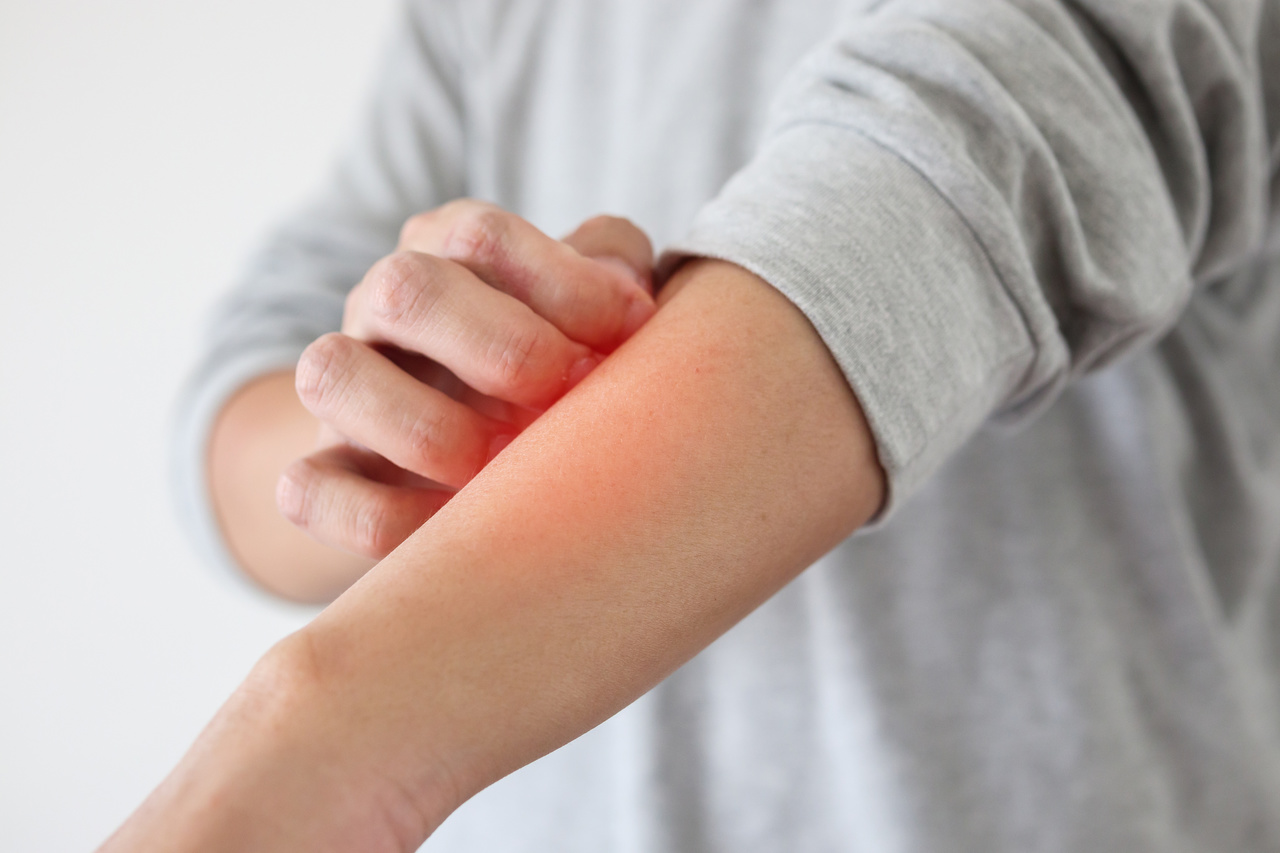 Atopic dermatitis (atopic eczema) is a multifactorial allergic disease This condition causes dry, itchy, and inflamed skin, and its exact cause is unknown. It can affect dry areas, appearing as raised or scaly patches, mainly in skin folds. In younger children and babies, it may manifest on the face, elbows, or knees. In older children and adults, the lesions are more common in body folds such as the neck, elbows, behind the knees, hands, and ankles. These areas are drier, darker, and thicker, and in more severe cases, the entire body may be affected.
Is atopic dermatitis hereditary, passed from parent to child?
Atopic dermatitis has a significant hereditary component, showing that if there are ancestors with the disease, such as parents or grandparents in the family, there is an increased chance of the children developing it. It can be associated with asthma and rhinitis, along with phenomena called... atopic march and reversed atopic march.
How long does atopic dermatitis last?
Atopic dermatitis is a long-lasting (chronic) condition that sometimes tends to worsen with periods of relapse (improvement) or exacerbation (worsening). Although the bacterium Staphylococcus aureus plays a very important role in its exacerbation, atopic dermatitis is not contagious.
Although the problem persists throughout life, the symptoms may disappear as the person ages, but the skin will remain dry and sensitive. Symptoms vary according to the stage of the disease, and can occur in three stages: childhood (3 months to 2 years of age), pre-pubertal (2 to 12 years of age), and adulthood (from 12 years of age onwards).
What causes atopic dermatitis?
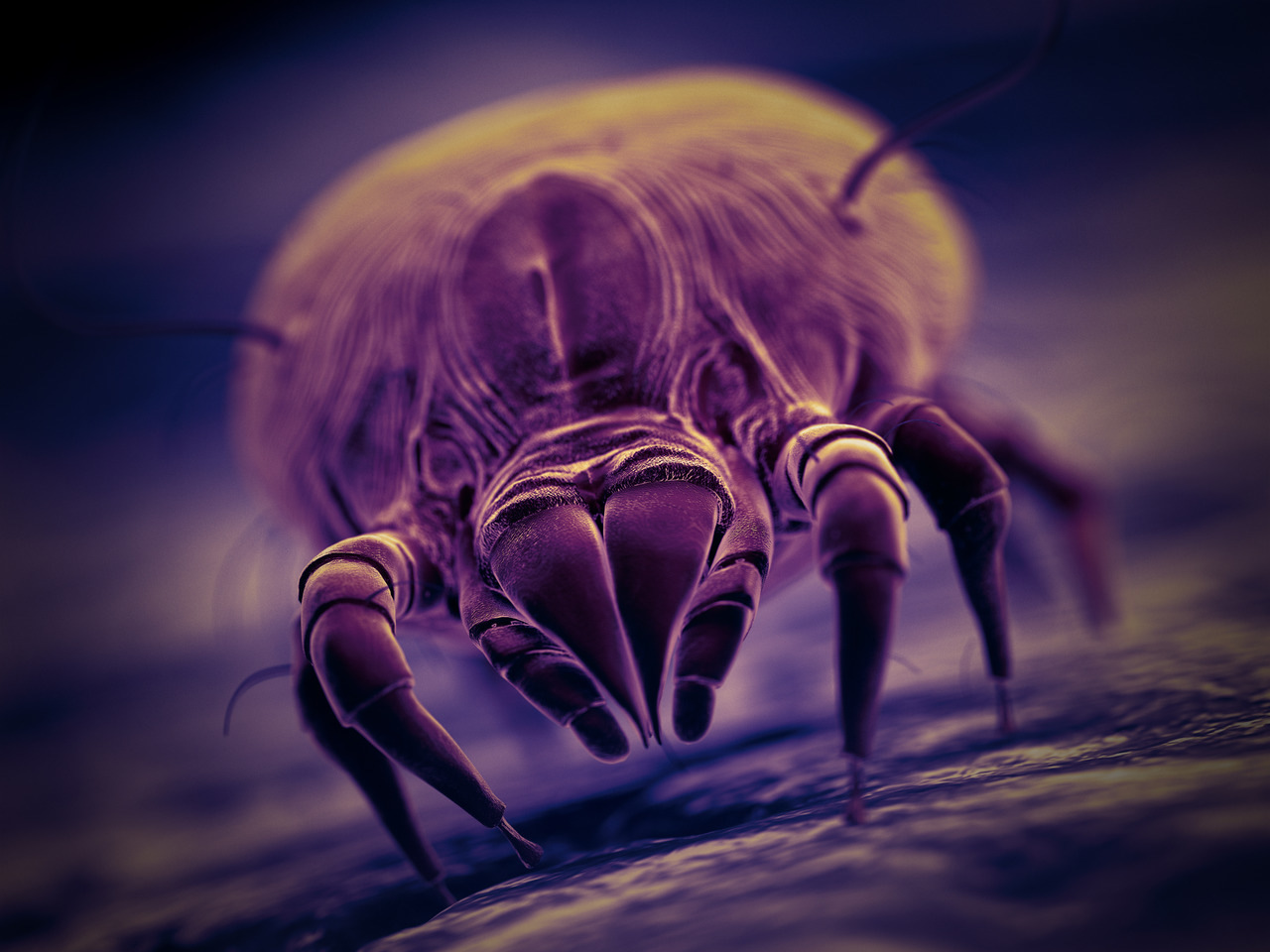 The cause is still undefined; however, several studies have demonstrated that... influence of the genetic component In patients with atopic dermatitis, the epithelial barrier is deficient, meaning the dermis lacks protection. Deficiencies in dermatological cell junction proteins, such as claudins and filaggrins.Low oil production in the skin and a decrease in the local defense system make the body susceptible to contact with allergens (substances that cause allergies).
This environment, in addition to facilitating the penetration of substances such as dust, food, animal hair, and mold, can also promote the proliferation of the Staphylococcus aureus bacteria, thus producing an element called a superantigen. super antigen It greatly increases the inflammatory process, worsening atopic dermatitis.
What tests are needed to diagnose atopic dermatitis?
 Your allergist will likely make a diagnosis by examining your skin and reviewing your medical history. They may also use patch testing or other tests, such as biopsies, to rule out other skin conditions or identify conditions that accompany your eczema. Tests for food allergies and aeroallergens (dust mites, dust, mold, pollen, pet dander) may be helpful.
As discussed previously, patients can become sensitized to various allergenic components through their injured skin. Therefore, an investigation of possible sensitizing allergens through skin and blood tests is important for diagnosis and treatment. Investigation of atopic dermatitis can be done by visiting one of our units in [location]. Duke of Caxias, New Iguaçu, Realengo, Itaguaí - RJ, Iguaba Grande - RJ (Red Cross) and Xerém Unit Inform your doctor and ask about identifying any possible food allergies.
What are the most commonly used treatment measures for atopic dermatitis?
They consist of 5 main factors:
- Skin hydration - The abundant and continuous use of moisturizers helps to minimize the effect of deficiencies in the binding proteins of dermatological cells, in addition to helping to replace the lack of sebum, compensating for the dryness of the skin in patients with atopic dermatitis;
- Avoid exposure to allergens with environmental control. - Remove all objects that accumulate dust and aeroallergens such as carpets, comforters, stuffed animals, curtains, rugs, etc. In addition, covering the mattress and pillow with waterproof material such as napa or PVC will create a barrier preventing allergens, such as dust mites, from coming into contact with your injured skin. We know that patients with atopic dermatitis can become sensitized through their injured skin. Watch Ana Maria Braga's (Mais Você) report on Brasil Sem Alergia about environmental control for allergy patients.
- Control of Staphylococcus aureus bacteria It is known that the proliferation of this infectious agent can greatly worsen the condition of a patient with atopic dermatitis. Measures strictly guided by your allergist can be taken through the use of local and systemic antibiotics to inhibit the proliferation of this bacteria. In addition, to maintain its population, the use of antiseptics such as chlorhexidine and sodium hypochlorite diluted in water can be used with a prescription and only with the guidance of your attending physician;
- Food control This topic is controversial in the scientific community; however, under the guidance of your allergist, this measure can be applied. We know that patients with atopic dermatitis are more susceptible to skin sensitization. This also applies to food sensitization. If the patient is sensitized to foods and this sensitization manifests as a food allergy, their doctor will advise on the best treatment and control plan for the food allergen involved.
- Use of specific immunotherapy (anti-allergic atopic dermatitis vaccine) for the control of atopic dermatitis..
How does vaccine treatment for atopic dermatitis work?
 THE atopic dermatitis It can be persistent, and you may try various treatments over months or years to control it. Even if treatment is successful, the signs and symptoms may return. Although atopic dermatitis of allergic origin has treatment options, whether with injectable allergy vaccines or other treatments... Sublingual allergy vaccineHowever, it's always necessary to consider it as a multifactorial allergic disease. For example, a patient with atopic dermatitis may have alterations in the structures that bind skin cells together, such as filaggrin and claudin, forming "holes" in the dermis and facilitating the penetration of substances that cause allergies and infections. In addition, there may be a deficiency in the skin's natural hydration, a proliferation of skin bacteria that increase inflammation (Staphylococcus aureus), and a predisposition to irritation from chemicals and cleaning products.
As an additional and auxiliary treatment for atopic dermatitis, Desensitizing immunotherapy with allergy vaccinesThis leads the body to achieve a state of bodily balance, with the production of regulatory immune cells, as well as the production of so-called blocking antibodies. In this way, in the medium and long term, the body becomes stronger, less susceptible to infections, and with a decrease in the occurrence and worsening of atopic dermatitis.
This treatment can be performed at one of our facilities, with an allergist, in Duke of Caxias, New Iguaçu, Realengo, Itaguaí - RJ, Iguaba Grande - RJ (Red Cross) and Xerém Unit but mainly in Duque de Caxias.
Brazil's Allergy-Free clinics offer vaccines with allergenic extracts and diluents registered with the Ministry of Health, meeting the most rigorous quality requirements certified by the renowned FDA Allergenic/Immunotech Laboratory. Injectable atopic dermatitis vaccine, sublingual allergy vaccine, atopic dermatitis vaccine, and others are available at our locations. Duke of Caxias, New Iguaçu, Realengo, Itaguaí - RJ, Iguaba Grande - RJ (Red Cross) and Xerém Unit.
 Vaccines for atopic dermatitis aim to establish or strengthen immune responses as a treatment, but they are also effective in... allergy treatment Because allergies can represent an exaggerated immune response based on the production of the antibody known as immunoglobulin E (IgE) against harmless environmental antigens, that is, substances that cause allergic reactions. These same substances are mistakenly recognized by the body as causing hypersensitivity reactions mediated by the IgE antibody, leading to respiratory and dermatological allergies such as atopic dermatitis.
The only method that teaches the body to no longer have allergies is the Desensitization through the use of vaccines, whether oral (sublingual) or injectable..
Tips for Treating Atopic Dermatitis:
- Use hypoallergenic moisturizers on your skin every day, especially within 5 minutes of showering;
- Avoid hot or cold showers. A lukewarm shower is best for atopic dermatitis. Use hypoallergenic soaps during hygiene routines.
- Avoid wearing clothes with rough fibers that can irritate the skin. Opt for cotton clothing and soft fabrics;
- Do not use fabric softener or laundry detergent with a strong scent. The best way to wash clothes is with coconut soap and apple cider vinegar to help with disinfection and softening;
- The skin should always be dried gently with a soft towel, without rubbing;
Apply a moisturizer no more than 3 minutes after showering to help retain moisture in the body.
- Especially during treatment or flare-ups of atopic dermatitis, avoid sudden temperature changes and activities that increase sweating throughout the body;
- Controlling the environment for allergy sufferers. As a prime example, covering the mattress and pillow with waterproof material, such as napa or PVC, completely enveloping them, is very important because it prevents contact between aeroallergens (dust mites, mold, pet dander, pollen, dust) and their skin, thus preventing sensitization to these elements;
Where can I find vaccine treatment for atopic dermatitis?
You will find treatment with the vaccine for atopic dermatitis at all Brazil Without Allergies units located in Rio de Janeiro , Curitiba Niterói, United States and Africa (Republic of Guinea). Schedule your appointment online..
Dupixent (dupilumab) is an injectable biologic medication used to treat various chronic inflammatory diseases. It is a monoclonal antibody that works by inhibiting the proteins interleukin 4 (IL-4) and interleukin 13 (IL-13), which are two of the main causes of inflammation in some diseases.
Human monoclonal antibody Dupilumab (Dupixent)
Dupixent is used to treat the following conditions:
- Moderate to severe atopic dermatitis (eczema) in adults and children 6 years of age and older, whose disease is not adequately controlled with prescription topical treatments or when such treatments are not advisable.
- Moderate to severe asthma in adults and children aged 6 years and older, with an eosinophilic phenotype or with oral corticosteroid-dependent asthma.
- Chronic rhinosinusitis with nasal polyps in adults.
- Nodular prurigo in adults.
- Eosinophilic esophagitis in adults and children aged 1 year and older.
Dupixent is administered by injection under the skin (subcutaneously) every two weeks or as directed by a doctor. The dose and frequency of injection depend on the condition being treated and the patient's weight.
Dupixent is generally well tolerated, but it can cause some side effects, such as injection site reactions, conjunctivitis, cold sores, and joint pain. In rare cases, it can cause severe allergic reactions.
Dupixent is not a steroid and does not cause the same side effects as steroids, such as weight gain, mood swings, and thinning of the skin.
Dupixent is a prescription medication and should only be used under the supervision of a doctor. It is important to talk to your doctor about the risks and benefits of Dupixent before starting treatment.
For more information about Dupixent, you can visit the manufacturer's website or talk to your doctor.
The Supplementary Label for Allergy Vaccines is helpful, just like the Package Insert for Medications.
Schedule your appointment
RIO DE JANEIRO
Telephone: +55 (21) 4063-8720
WhatsApp: +55 (21) 999545632
CURITIBA
Telephone: +55 (41) 3542-1838
It was in the media.
In Brazil, 30% of the population has some type of allergy, according to the World Health Organization.
How should people undergoing treatment act?
Patients with conditions such as rhinitis, bronchitis, and asthma may be more susceptible to infections from viruses and bacteria that cause colds and flu, for example. Dr. Marcello Bossois, physician and technical coordinator of the Brazil Without Allergies project, explains that this occurs because allergic patients produce what is called an adhesion protein. “The inflamed environment of the patient's mucous membranes, which can be the nose, bronchi, and throat, produces an adhesion protein that acts as a kind of hook for viruses and bacteria. The process is as follows: the patient breathes contaminated air, which, as it passes through the respiratory tract, brings the virus into contact with these proteins produced by the allergic person's body, allowing the virus to penetrate the body more easily. This is why allergic patients generally get sick quite frequently,” elucidates the head of the Brazil Without Allergies Project. The importance of preventative measures is becoming increasingly evident, and vaccination is one of them. Vaccines that protect the body from diseases such as influenza, H1N1, or even pneumococcus (which causes pneumonia), can currently alleviate and even help save lives.
Scientific references and institutional guidelines
The educational guidelines on this portal follow the clinical consensus of the leading medical societies of Allergy and Immunology:
For residents of the Baixada Fluminense region who require dermatological evaluation and monitoring of skin allergies, specialized treatment is available at [Clinic Name]. Allergy and Immunology Clinic in Duque de Caxias From Brazil Without Allergies.



 The Brazil Without Allergies Project consolidated its trajectory of care and social inclusion in 2007, when allergists and immunologists Dr. Marcello Bossois and Dr. Patrícia Schlinkert began volunteer work in Duque de Caxias, Rio de Janeiro, to assist the population affected by soot from the Reduc Refinery. What began as an emergency and temporary action became a permanent project of public utility, recognized by Municipal Law 3393 of 2024. With more than 700,000 consultations carried out, the project is now expanding its reach with the inauguration of a new unit in São Paulo, in the Campo Limpo neighborhood, in the southern part of the capital, reaffirming its commitment to bringing health to those who need it most. Through an initiative that complements the Brazilian Unified Health System (SUS), the "Brazil Without Allergies" program offers free allergy consultations and allergy testing to identify conditions such as rhinitis, asthma, bronchitis, atopic dermatitis, sinusitis, urticaria, food hypersensitivity, prurigo strophulus (insect bite allergy), otitis, and allergic conjunctivitis. The specialized care includes pediatric and adult allergists and offers allergy vaccines at affordable prices with the support of ABBAA. In addition to the new unit in Campo Limpo, the project is present in Rio de Janeiro in Duque de Caxias, Realengo, Nova Iguaçu (Red Cross building), Niterói, São Gonçalo, Maricá, Itaguaí, Xerém, and Iguaba, as well as Curitiba in Paraná, and also has national mobile units and initiatives in Africa and the United States. Prioritizing social inclusion, the project focuses on providing free care to those most in need. To schedule your appointment with an allergist and take your free allergy test, contact us by phone: Rio de Janeiro ☎️ +55 (21) 4063-8720, São Paulo ☎️ (11) 4210-1437, Curitiba ☎️ +55 (41) 3542-1838 or via WhatsApp 📲 +55 (21) 999545632, obtaining detailed locations and a link to the Campo Limpo map through the official website https://www.brasilsemalergia.com.br/.
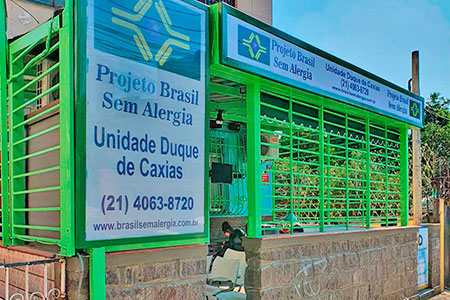 The Brazil Without Allergies Project consolidated its trajectory of care and social inclusion in 2007, when allergists and immunologists Dr. Marcello Bossois and Dr. Patrícia Schlinkert began volunteer work in Duque de Caxias, Rio de Janeiro, to assist the population affected by soot from the Reduc Refinery. What began as an emergency and temporary action became a permanent project of public utility, recognized by Municipal Law 3393 of March 25, 2024. With more than 700,000 consultations carried out, the project is now expanding its reach with the inauguration of a new unit in São Paulo, in the Campo Limpo neighborhood, in the southern part of the capital, reaffirming its commitment to bringing health and quality of life to those who need it most. Through an approach that complements the Brazilian Unified Health System (SUS) and international health systems, the "Brazil Without Allergies" project offers free allergy consultations and tests to identify pathologies such as rhinitis, asthma, bronchitis, atopic dermatitis, sinusitis, urticaria, food hypersensitivity, prurigo strophulus, otitis, and allergic conjunctivitis. The specialized care is provided by pediatric and adult allergists and offers allergy vaccines at affordable prices with the support of the Brazilian Beneficent Association for Allergy Support (ABBAA). In addition to the new unit in Campo Limpo, the project is present in Rio de Janeiro (Duque de Caxias, Realengo, Nova Iguaçu, Itaguaí, Xerém, Niterói, and Iguaba), as well as Curitiba in Paraná, and also has mobile units serving all of Brazil and international operations in Africa and the United States. Prioritizing social inclusion, the project encourages patients with health insurance plans to use their affiliated networks so that free and social care is focused on those who need it most. To schedule your appointment and take the free allergy test, patients can contact us by phone in Rio de Janeiro (21) 4063-8720, in São Paulo (11) 4210-1437, in Curitiba (41) 3542-1838 or via WhatsApp (21) 999545632, obtaining all the information and detailed locations through the official website brasilsemalergia.com.br
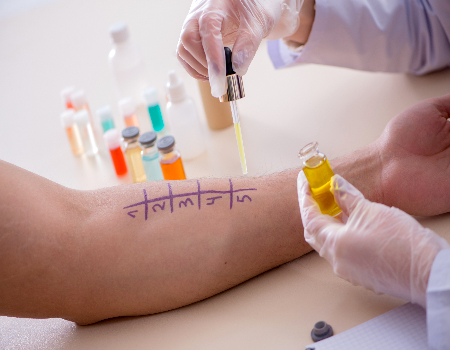 The Brazil Without Allergies Project consolidated its trajectory of care and social inclusion in 2007, when allergists and immunologists Dr. Marcello Bossois and Dr. Patrícia Schlinkert began volunteer work in Duque de Caxias, Rio de Janeiro, to assist the population affected by soot from the Reduc Refinery. What began as an emergency and temporary action became a permanent project of public utility, recognized by Municipal Law 3393 of 2024. With more than 700,000 consultations carried out, the project is now expanding its reach with the inauguration of a new unit in São Paulo, in the Campo Limpo neighborhood, in the southern part of the capital, reaffirming its commitment to bringing health to those who need it most. Through an approach that complements the SUS (Brazilian Public Health System), Brazil Without Allergies offers free and paid allergy testing consultations with allergists for various pathologies. We conduct tests to detect allergies that cause atopic dermatitis, asthma 🌬️, bronchitis 🫁, rhinitis, and prurigo strophulus (allergy to insect bites 🦟), including specific tests for dust, animal dander, food, and mosquitoes. Specialized care is provided by pediatric and adult allergists and offers allergy vaccines at affordable prices with the support of ABBAA. In addition to the new unit in Campo Limpo, the project is present in Rio de Janeiro in Duque de Caxias, Realengo, Nova Iguaçu (Red Cross building), Niterói, São Gonçalo, Maricá, Itaguaí, Xerém, and Iguaba, as well as Curitiba in Paraná, and also has national mobile units and outreach programs in Africa and the United States. Prioritizing social inclusion, the project focuses on providing free care to those who need it most. To schedule your appointment with an allergist and take your allergy test, contact us by phone: Rio de Janeiro ☎️ +55 (21) 4063-8720, São Paulo ☎️ (11) 4210-1437, Curitiba ☎️ +55 (41) 3542-1838 or via WhatsApp 📲 +55 (21) 999545632, obtaining detailed locations and the link to the Campo Limpo map through the official website https://www.brasilsemalergia.com.br/.
 Brazil Without Allergies' specialized care focuses on accurate diagnosis and accessible treatment of conditions such as atopic dermatitis, asthma 🌬️, bronchitis 🫁, rhinitis, and prurigo strophulus (allergy to insect bites 🦟). Our new unit in Campo Limpo, São Paulo, follows the network's standard of excellence, offering tests to detect allergies caused by dust, animal dander, and food. As a social inclusion project that complements the SUS (Brazilian Public Health System), we offer free and paid tests and treatments, relying on the fundamental support of ABBAA to make allergy vaccines available at affordable prices. We prioritize free care for those who need it most, encouraging patients with health insurance to use their own networks. Schedule your free allergy test 🆓 by contacting us at the following numbers: São Paulo ☎️ (11) 4210-1437, Rio de Janeiro ☎️ (21) 4063-8720 or Curitiba ☎️ (41) 3542-1838. You can also access the map of the new Campo Limpo unit or get more details on the institution's official website. Internationally recognized for its actions in Africa and the United States, the Brazil Without Allergies Social Project expands its health protection network with its arrival in Campo Limpo, in the South Zone of São Paulo. With a record of 700,000 consultations, our structure uses fixed clinics and mobile buses to bring allergist consultations and allergy tests to various regions, including Curitiba, Niterói, São Gonçalo, Maricá, Itaguaí and the Baixada Fluminense. We are a non-profit organization that seeks to democratize access to allergy vaccines and specialized treatments for sinusitis, otitis, and allergic conjunctivitis. Operating in accordance with ethical and legal standards, our medical team prioritizes social inclusion and overall well-being. To schedule appointments in São Paulo ☎️ (11) 4210-1437, Rio de Janeiro ☎️ (21) 4063-8720 or via WhatsApp 📲 (21) 999545632. Visit the website https://www.brasilsemalergia.com.br/ to find the unit nearest you and begin your treatment with a team that has been a leader in allergy health since 2007.
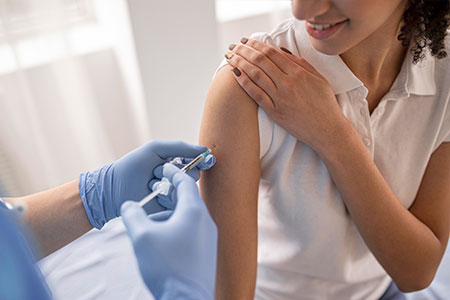 Protect Yourself with Vaccines at the Brazil Without Allergies Project! Vaccines are a safe and effective way to prevent diseases such as influenza, yellow fever 🟡, meningitis, pneumonia 🫁, and various allergies! The Brazil Without Allergies Project offers some free vaccines and medications through campaigns and sponsorships to help you have better health and quality of life. Our Locations — Rio de Janeiro: Duque de Caxias, Nova Iguaçu, Realengo, Itaguaí, Iguaba Grande (Red Cross) and Xerém. Paraná: Curitiba. 🩺 Our Services: We offer vaccines for Bronchitis 🫁, Rhinitis, Asthma, Atopic Dermatitis, and Candidiasis. Schedule your appointment! Phone RJ +55 (21) 4063-8720 and SP 11 4210-1437 ☎️WhatsApp: +55 (21) 999545632 Phone (Curitiba): +55 (41) 3542-1838 ☎️Find Our Locations Visit our website for complete addresses: https://www.brasilsemalergia.com.br/
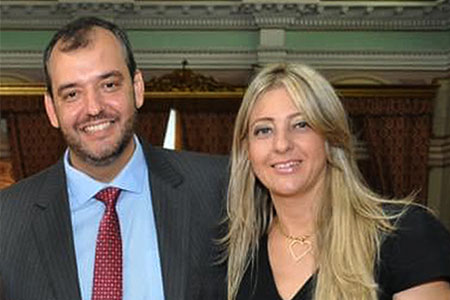 The Brazil Without Allergies Project 🇧🇷❤️ is the result of a journey of care and inclusion that began in 2007, when Dr. Marcello Bossois, an allergist and immunologist in Duque de Caxias, started volunteer work at a community association in the Baixada Fluminense region. What began as temporary support for local residents affected by the high incidence of allergies caused by soot from the region's refinery became a permanent project due to immense social demand. With the arrival of Dr. Patrícia Schlinkert, also an allergist in Duque de Caxias, the initiative strengthened, transforming into a public service organization that has already provided more than 700,000 consultations. Today, the project expands this legacy to São Paulo, with a new unit in the Campo Limpo neighborhood, in the southern part of the capital, reinforcing its mission to democratize access to healthcare. We offer specialized medical care and free 🆓 and paid allergy tests for conditions such as atopic dermatitis, asthma 🌬️, bronchitis 🫁, rhinitis, and prurigo strophulus (insect bite allergy 🦟). Complementing the work of the SUS (Brazilian Public Health System), Brasil Sem Alergia (Brazil Without Allergies) also offers allergy vaccines at affordable prices with the support of ABBAA (Brazilian Association of Allergy and Allergy). In addition to the new Campo Limpo unit, the project maintains units in Rio de Janeiro (Duque de Caxias, Nova Iguaçu, Realengo, Itaguaí, Xerém, Niterói, São Gonçalo, Maricá, and Iguaba Grande) and Paraná (Curitiba), as well as mobile units and international operations. To schedule your appointment with an allergist, contact us by phone: São Paulo ☎️ (11) 4210-1437, Rio de Janeiro ☎️ (21) 4063-8720, Curitiba ☎️ (41) 3542-1838 or via WhatsApp 📲 (21) 999545632. Check the detailed locations, including the Campo Limpo map, on the official website https://www.brasilsemalergia.com.br/.
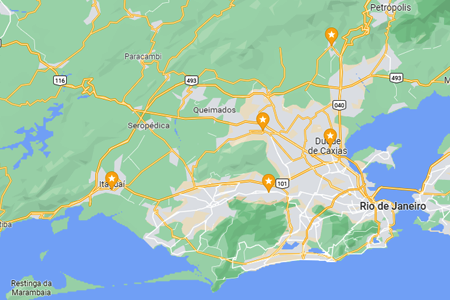 The Brazil Without Allergies Project consolidates its national presence and expands its reach with fixed units in Rio de Janeiro, Paraná, and now, in the capital of São Paulo, in the Campo Limpo neighborhood, South Zone. In addition to the physical clinics, the project has a strategic Mobile Unit that brings specialized medical care and free allergy tests to various cities, facilitating access to healthcare in remote regions. With over 700,000 consultations carried out since 2007 under the coordination of Dr. Marcello Bossois and Dr. Patrícia Schlinkert, the initiative complements the SUS (Brazilian Public Health System), offering support in the diagnosis and treatment of atopic dermatitis, asthma, bronchitis, rhinitis, and prurigo strophulus (allergy to insect bites). The new Campo Limpo unit in São Paulo reinforces this commitment, offering consultations with allergists and tests to identify allergic triggers. The project also provides allergy vaccines at affordable prices with the support of ABBAA, ensuring continuity of treatment. In Rio de Janeiro, fixed units serve Duque de Caxias, Nova Iguaçu (Red Cross), Realengo, Itaguaí, Iguaba Grande, Xerém, and Niterói, while in Paraná, service is provided in Curitiba. Prioritizing social inclusion, Brasil Sem Alergia focuses its efforts on those most in need, with international operations and mobile clinics. To schedule your appointment with an allergist and take your allergy test, contact us by phone: São Paulo ☎️ (11) 4210-1437, Rio de Janeiro ☎️ (21) 4063-8720, Curitiba ☎️ (41) 3542-1838 or via WhatsApp 📲 (21) 99545632. You can check the availability of the mobile unit in your region, see the map of the Campo Limpo unit and find all complete addresses on the official website https://www.brasilsemalergia.com.br/.
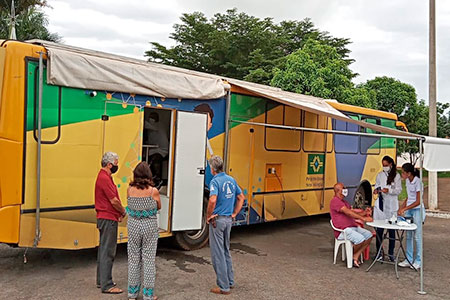 The Brazil Without Allergies Project reinforces its mission of social inclusion through its mobile and itinerant unit, which travels to various regions to bring health and well-being directly to your community. With the goal of democratizing access to specialized diagnosis, our mobile clinic offers consultations with an allergist and free allergy tests 🆓 to identify pathologies such as atopic dermatitis, asthma 🌬️, bronchitis 🫁, rhinitis, and prurigo strophulus (allergy to insect bites 🦟). This itinerant initiative complements the work of our fixed units located in Rio de Janeiro (Duque de Caxias, Nova Iguaçu, Realengo, Itaguaí, Iguaba Grande, Xerém and Niterói), Paraná (Curitiba), and our newest unit in São Paulo, in the Campo Limpo neighborhood, in the southern part of the capital. Working in a complementary way to the SUS (Brazilian Public Health System) and with the support of ABBAA (Brazilian Association of Allergy and Allergy), the project ensures that residents of more remote cities can also receive adequate treatment and allergy vaccines at affordable prices. To find out where our mobile unit is now, what the next destinations will be, or to schedule an appointment at the new Campo Limpo unit in São Paulo, contact us by phone: São Paulo ☎️ (11) 4210-1437, Rio de Janeiro ☎️ (21) 4063-8720 or via WhatsApp 📲 (21) 999545632. You can also check the map of the fixed Campo Limpo unit and get more information about the mobile unit's schedule on the official website https://www.brasilsemalergia.com.br/.


