


Vaccine for Allergic Rhinitis
Why do allergic and non-allergic rhinitis occur?
What are the types of rhinitis?
Why do rhinitis occur more frequently in certain people?
How to treat allergic rhinitis?
Recommendations for the prevention of allergic rhinitis
How long does it take for rhinitis vaccines to work?
How many rhinitis vaccine injections are needed?
Where can I find treatment with a vaccine for allergic rhinitis?
Treatment of allergic rhinitis with vaccines
The Brazil Without Allergies program offers procedures for the prevention, treatment, and control of allergic rhinitis, including the use of allergy vaccines.

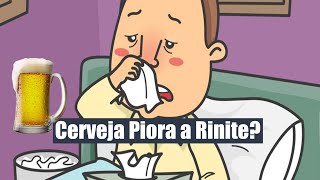
ALSO ACCESS VIDEOS ABOUT ALLERGIC TREATMENT WITH VACCINES
Why do allergic and non-allergic rhinitis occur?
The nose has several functions when it comes into contact with air, such as filtering, humidifying, warming, giving resonance to the voice, and draining secretions from the sinuses. Therefore, upon contact with irritating substances and allergens (substances that cause allergies), which could harm lung health, an inflammatory reaction occurs in an attempt to prevent these allergenic substances from entering the body.
Therefore, there is inflammation in the nose (rhinitis) that would cause symptoms and signs that characterize allergic rhinitis: - Nasal congestion, runny nose, sneezing, itching, and decreased sense of smell (anosmia).
What are the types of rhinitis?
Rhinitis can also be divided into isolated rhinitisrhinitis, when it affects only the nose, and combined rhinitis, when associated with another organ such as rhinoconjunctivitis, rhinosinusitis, Rhinitis associated with asthma and atopic dermatitis.. 
In the case of non-allergic rhinitis They can be caused by infections from viruses, bacteria or fungi, by certain types of medication, hormonal changes, aging, increased blood pressure, and by gastric disorders such as gastroesophageal reflux disease (where stomach contents return to the esophagus).
Rhinitis, depending on the type, such as allergic rhinitis, can have a hereditary origin; that is, if you have an ancestor (parents, grandparents) who suffers from this problem, the chance of you developing allergies increases significantly. In addition, there is a recently discovered phenomenon called... epigeneticsEpigenetics is the interaction of the environment, the way we live, and our lifestyle habits in modulating our genome. In this way, genes can be activated or deactivated, leading to a reorganization, for better or for worse, of the immune system. In addition, this genome modulation information can be passed on to future generations. This would explain why, in modern times, there is an explosion of allergy cases, including allergic rhinitis, especially in large cities.
Why do rhinitis occur more frequently in certain people?
Another interesting topic is the interaction between irritative processes and allergies. Allergic rhinitis can manifest when the patient comes into contact with allergens such as animal dander, dust mites (which feed on skin flakes, hair, and feathers), pollen, mold, and some foods. irritative rhinitis Caused by substances such as perfume and disinfectants, the use of certain medications, and bacterial and viral infections, allergic rhinitis worsens due to increased absorption of allergens in the inflamed mucosa. Furthermore, the more allergies you have, the greater the production of "adhesion proteins." These... adhesion proteins They facilitate the penetration of viruses, further increasing the irritative process and, consequently, increasing allergies. Therefore, to prevent this feedback loop of the disease, allergic rhinitis needs to be treated holistically, not only in controlling the allergy, but also in preventing infections and in... environmental control.
How is rhinitis diagnosed?
As previously mentioned, the Allergic rhinitis is divided into isolated allergic rhinitis and allergic rhinitis. combined with other systems and organs. In isolated allergic rhinitisHowever, diagnosing the causative agent becomes more complex, since the entire inflammatory process is confined to the nose. Therefore, complementary tests such as... prick test for allergy (skin prick test using drops with allergens), as well as the measurement of IgE allergy antibodies, become compromised because there is no systemic manifestation of the disease.  Some allergy researchers have studied the performance of nasal provocation allergy test of the allergen (directly into the nose), for identification of the causative agents and indication of specific immunotherapy, allergy vaccine for rhinitis, for treatment with allergy vaccines of isolated rhinitis. As discussed regarding the Immunotherapy for allergy with isolated rhinitisThe production of regulatory T cells could stabilize rhinitis, even though it has no systemic effect.
In combined allergic rhinitis, like the rhinosinusitisIn cases of rhinoconjunctivitis, rhinitis associated with asthma, and atopic dermatitis, identifying the causative agent becomes easier, since the entire body is affected. Therefore, measuring specific IgE antibodies directly (through allergy blood tests) and indirectly (through prick tests) facilitates the identification of the causative agent and the development of a treatment regimen with specific anti-allergic immunotherapy (allergy vaccine) according to the patient's sensitization. It is important to always remember that allergic rhinitis can be associated with some complications such as... nasal polypsRetention cysts, deviated nasal septums with obstruction, nasal turbinate hypertrophy, and other alterations can all be associated with rhinoplasty. Therefore, a thorough clinical evaluation, in conjunction with an otolaryngologist, is essential. Examinations such as rhinoscopy, videonasolaryngoscopy (rigid or flexible), and imaging tests like sinus computed tomography may be necessary for accurate diagnosis and treatment with an effective vaccine.
How to treat allergic rhinitis?
-- Nasal irrigation with saline solution for nasal hygiene. This method is suitable for both isolated and compound rhinitis. This measure should be taken daily, as directed by your doctor. Most healthcare professionals recommend a high volume of saline solution at low pressure, applied with the mouth open. This method of application, in addition to preventing the patient from developing ear inflammation (otitis media), promotes the effective removal of accumulated nasal debris. High-pressure irrigation is only performed in some cases, with strict medical indication, such as in... rhinitis with nasal polyps;

- Use of nasal corticosteroids - The use of these medications, such as nasal budesonide, nasal fluticasone furoate (Avamys), and mometasone (Nasonex), reduces nasal inflammation by decreasing the absorption of allergens and the amount of proteins that adhere to viruses and bacteria. This treatment is very safe, effective, and, when prescribed by your doctor, can be done long-term for both isolated allergic rhinitis and allergic rhinitis associated with other organs and systems.
- Use of systemic medications Allergy medications such as antihistamines, oral and injectable corticosteroids, and leukotriene inhibitors (montelukast, zafirlukast) should only be prescribed by your allergist. Do not use any medication on your own without first talking to your doctor. It can be dangerous to your health.
- Use of allergy vaccines for rhinitis The only treatment that teaches the body to no longer have allergies, that produces blocking antibodies to the IgE antibody, and that stimulates the production of regulatory T cells to balance the body (homeostasis), is the use of immunotherapy, an allergy vaccine for allergic rhinitis. vaccine for allergic rhinitis This should always be done under the supervision of your allergist and according to the results of an allergy test or nasal provocation test.
Recommendations for the prevention of allergic rhinitis
- Removing elements that accumulate dust and mites (environmental control) is very important.Avoid rugs, curtains, carpets, stuffed animals, and comforters; cover the mattress and pillow with waterproof material such as napa or PVC; remove products with strong smells such as disinfectants, perfumes, fabric softeners, and perfumed laundry detergents. Switching to hypoallergenic and anti-allergenic products is very important.
– Avoid using a vacuum cleaner., replacing them with damp cloths or vacuuming devices that use water to trap debris. Vacuum cleaners with HEPA filters They can also be considered;
– wear masks when cleaning furniture in the house;
– keep the rooms well-ventilated and exposed to the sun most of the time;
– wash personal clothing and bed linensWash clothes that have been stored for a while before wearing them at least once a week.
– keeping pets outdoors and prevent them from climbing onto upholstered furniture or beds where people sleep. Remember that dust mites like keratin, and both human skin and animal fur contain keratin in their composition;
– practice physical activity, do not smokeDrink in moderation and eat healthily. Eliminate foods that trigger rhinitis.
– hydration Suitable for thinning secretions to help eliminate allergens;
- Never self-medicate.Consult your allergist for a prescription of a treatment regimen that is appropriate and specific to your clinical profile.
How long does it take for rhinitis vaccines to work?
The time it takes for allergy vaccines, also known as immunotherapy, to produce significant effects can vary from person to person. Generally, the benefits begin to appear after some time of continuous treatment. Many people notice a reduction in symptoms after about 6 weeks of immunotherapy.
However, the complete treatment can last 3 to 5 years, and consistency in administering doses is crucial for success. During this period, it is common to receive regular injections or sublingual doses, depending on the type of immunotherapy prescribed.
It's important to discuss specific expectations and timelines with the doctor or allergist managing your treatment. Each case is unique, and the response to treatment may vary.
How many rhinitis vaccine injections are needed?
The number of injections needed for immunotherapy of allergic rhinitis can vary. Typically, treatment begins with an escalation phase, where injections are administered more frequently to gradually increase the dose of the allergen. This initial phase can last several months.
After the boosting phase, many people move on to the maintenance phase, where injections are administered at longer intervals, usually every 2 to 4 weeks. The total treatment period can vary, but immunotherapy commonly lasts 3 to 5 years.
The exact number of injections will depend on the treatment plan recommended by the doctor based on the patient's response over time. It is important to follow the healthcare professional's instructions to achieve the best results.
Where can I find treatment with a vaccine for allergic rhinitis?
You can find allergy rhinitis vaccine treatment at all Brazil Sem Alergia units located in Rio de Janeiro, Curitiba, Niterói, the United States, and Africa (Republic of Guinea). Schedule your appointment online..
"The use of vaccines for allergic rhinitis is the only treatment that changes the natural history of the disease, teaching the body not to have the allergy anymore."
The Supplementary Label for Allergy Vaccines is helpful, just like the Package Insert for Medications.
Schedule your appointment
RIO DE JANEIRO
Telephone: +55 (21) 4063-8720
WhatsApp: +55 (21) 999545632
CURITIBA
Telephone: +55 (41) 3542-1838
IT WAS IN THE MEDIA
In Brazil, 30% of the population has some type of allergy, according to the World Health Organization.
How should people undergoing treatment act?
Patients with conditions such as rhinitis, bronchitis, and asthma may be more susceptible to infections from viruses and bacteria that cause colds and flu, for example. Dr. Marcello Bossois, physician and technical coordinator of the Brazil Without Allergies project, explains that this occurs because allergic patients produce what is called an adhesion protein. “The inflamed environment of the patient's mucous membranes, which can be the nose, bronchi, and throat, produces an adhesion protein that acts as a kind of hook for viruses and bacteria. The process is as follows: the patient breathes contaminated air, which, as it passes through the respiratory tract, brings the virus into contact with these proteins produced by the allergic person's body, allowing the virus to penetrate the body more easily. This is why allergic patients generally get sick quite frequently,” elucidates the head of the Brazil Without Allergies Project.
The importance of preventative measures is becoming increasingly evident, and vaccination is one of them. Vaccines that protect the body from diseases such as influenza, H1N1, or even pneumococcus (which causes pneumonia) can currently mitigate and even help save lives.
Scientific references and institutional guidelines
The educational guidelines on this portal follow the clinical consensus of the leading medical societies of Allergy and Immunology:
For detailed hypersensitivity diagnosis and food allergy testing in the Baixada Fluminense region, consult the specialists at [Company Name]. Duque de Caxias unit, Brazil. Allergy-free..



 The Brazil Without Allergies Project consolidated its trajectory of care and social inclusion in 2007, when allergists and immunologists Dr. Marcello Bossois and Dr. Patrícia Schlinkert began volunteer work in Duque de Caxias, Rio de Janeiro, to assist the population affected by soot from the Reduc Refinery. What began as an emergency and temporary action became a permanent project of public utility, recognized by Municipal Law 3393 of 2024. With more than 700,000 consultations carried out, the project is now expanding its reach with the inauguration of a new unit in São Paulo, in the Campo Limpo neighborhood, in the southern part of the capital, reaffirming its commitment to bringing health to those who need it most. Through an initiative that complements the Brazilian Unified Health System (SUS), the "Brazil Without Allergies" program offers free allergy consultations and allergy testing to identify conditions such as rhinitis, asthma, bronchitis, atopic dermatitis, sinusitis, urticaria, food hypersensitivity, prurigo strophulus (insect bite allergy), otitis, and allergic conjunctivitis. The specialized care includes pediatric and adult allergists and offers allergy vaccines at affordable prices with the support of ABBAA. In addition to the new unit in Campo Limpo, the project is present in Rio de Janeiro in Duque de Caxias, Realengo, Nova Iguaçu (Red Cross building), Niterói, São Gonçalo, Maricá, Itaguaí, Xerém, and Iguaba, as well as Curitiba in Paraná, and also has national mobile units and initiatives in Africa and the United States. Prioritizing social inclusion, the project focuses on providing free care to those most in need. To schedule your appointment with an allergist and take your free allergy test, contact us by phone: Rio de Janeiro ☎️ +55 (21) 4063-8720, São Paulo ☎️ (11) 4210-1437, Curitiba ☎️ +55 (41) 3542-1838 or via WhatsApp 📲 +55 (21) 999545632, obtaining detailed locations and a link to the Campo Limpo map through the official website https://www.brasilsemalergia.com.br/.
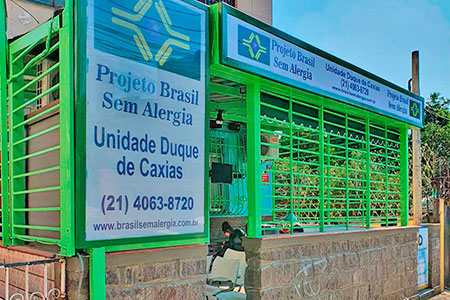 The Brazil Without Allergies Project consolidated its trajectory of care and social inclusion in 2007, when allergists and immunologists Dr. Marcello Bossois and Dr. Patrícia Schlinkert began volunteer work in Duque de Caxias, Rio de Janeiro, to assist the population affected by soot from the Reduc Refinery. What began as an emergency and temporary action became a permanent project of public utility, recognized by Municipal Law 3393 of March 25, 2024. With more than 700,000 consultations carried out, the project is now expanding its reach with the inauguration of a new unit in São Paulo, in the Campo Limpo neighborhood, in the southern part of the capital, reaffirming its commitment to bringing health and quality of life to those who need it most. Through an approach that complements the Brazilian Unified Health System (SUS) and international health systems, the "Brazil Without Allergies" project offers free allergy consultations and tests to identify pathologies such as rhinitis, asthma, bronchitis, atopic dermatitis, sinusitis, urticaria, food hypersensitivity, prurigo strophulus, otitis, and allergic conjunctivitis. The specialized care is provided by pediatric and adult allergists and offers allergy vaccines at affordable prices with the support of the Brazilian Beneficent Association for Allergy Support (ABBAA). In addition to the new unit in Campo Limpo, the project is present in Rio de Janeiro (Duque de Caxias, Realengo, Nova Iguaçu, Itaguaí, Xerém, Niterói, and Iguaba), as well as Curitiba in Paraná, and also has mobile units serving all of Brazil and international operations in Africa and the United States. Prioritizing social inclusion, the project encourages patients with health insurance plans to use their affiliated networks so that free and social care is focused on those who need it most. To schedule your appointment and take the free allergy test, patients can contact us by phone in Rio de Janeiro (21) 4063-8720, in São Paulo (11) 4210-1437, in Curitiba (41) 3542-1838 or via WhatsApp (21) 999545632, obtaining all the information and detailed locations through the official website brasilsemalergia.com.br
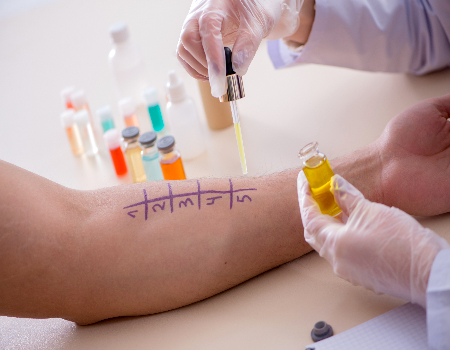 The Brazil Without Allergies Project consolidated its trajectory of care and social inclusion in 2007, when allergists and immunologists Dr. Marcello Bossois and Dr. Patrícia Schlinkert began volunteer work in Duque de Caxias, Rio de Janeiro, to assist the population affected by soot from the Reduc Refinery. What began as an emergency and temporary action became a permanent project of public utility, recognized by Municipal Law 3393 of 2024. With more than 700,000 consultations carried out, the project is now expanding its reach with the inauguration of a new unit in São Paulo, in the Campo Limpo neighborhood, in the southern part of the capital, reaffirming its commitment to bringing health to those who need it most. Through an approach that complements the SUS (Brazilian Public Health System), Brazil Without Allergies offers free and paid allergy testing consultations with allergists for various pathologies. We conduct tests to detect allergies that cause atopic dermatitis, asthma 🌬️, bronchitis 🫁, rhinitis, and prurigo strophulus (allergy to insect bites 🦟), including specific tests for dust, animal dander, food, and mosquitoes. Specialized care is provided by pediatric and adult allergists and offers allergy vaccines at affordable prices with the support of ABBAA. In addition to the new unit in Campo Limpo, the project is present in Rio de Janeiro in Duque de Caxias, Realengo, Nova Iguaçu (Red Cross building), Niterói, São Gonçalo, Maricá, Itaguaí, Xerém, and Iguaba, as well as Curitiba in Paraná, and also has national mobile units and outreach programs in Africa and the United States. Prioritizing social inclusion, the project focuses on providing free care to those who need it most. To schedule your appointment with an allergist and take your allergy test, contact us by phone: Rio de Janeiro ☎️ +55 (21) 4063-8720, São Paulo ☎️ (11) 4210-1437, Curitiba ☎️ +55 (41) 3542-1838 or via WhatsApp 📲 +55 (21) 999545632, obtaining detailed locations and the link to the Campo Limpo map through the official website https://www.brasilsemalergia.com.br/.
 Brazil Without Allergies' specialized care focuses on accurate diagnosis and accessible treatment of conditions such as atopic dermatitis, asthma 🌬️, bronchitis 🫁, rhinitis, and prurigo strophulus (allergy to insect bites 🦟). Our new unit in Campo Limpo, São Paulo, follows the network's standard of excellence, offering tests to detect allergies caused by dust, animal dander, and food. As a social inclusion project that complements the SUS (Brazilian Public Health System), we offer free and paid tests and treatments, relying on the fundamental support of ABBAA to make allergy vaccines available at affordable prices. We prioritize free care for those who need it most, encouraging patients with health insurance to use their own networks. Schedule your free allergy test 🆓 by contacting us at the following numbers: São Paulo ☎️ (11) 4210-1437, Rio de Janeiro ☎️ (21) 4063-8720 or Curitiba ☎️ (41) 3542-1838. You can also access the map of the new Campo Limpo unit or get more details on the institution's official website. Internationally recognized for its actions in Africa and the United States, the Brazil Without Allergies Social Project expands its health protection network with its arrival in Campo Limpo, in the South Zone of São Paulo. With a record of 700,000 consultations, our structure uses fixed clinics and mobile buses to bring allergist consultations and allergy tests to various regions, including Curitiba, Niterói, São Gonçalo, Maricá, Itaguaí and the Baixada Fluminense. We are a non-profit organization that seeks to democratize access to allergy vaccines and specialized treatments for sinusitis, otitis, and allergic conjunctivitis. Operating in accordance with ethical and legal standards, our medical team prioritizes social inclusion and overall well-being. To schedule appointments in São Paulo ☎️ (11) 4210-1437, Rio de Janeiro ☎️ (21) 4063-8720 or via WhatsApp 📲 (21) 999545632. Visit the website https://www.brasilsemalergia.com.br/ to find the unit nearest you and begin your treatment with a team that has been a leader in allergy health since 2007.
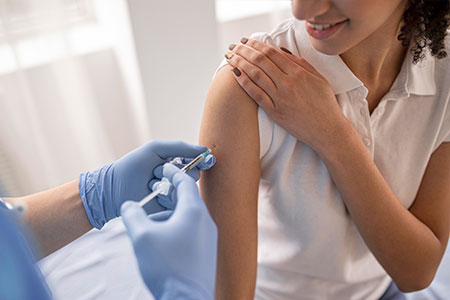 Protect Yourself with Vaccines at the Brazil Without Allergies Project! Vaccines are a safe and effective way to prevent diseases such as influenza, yellow fever 🟡, meningitis, pneumonia 🫁, and various allergies! The Brazil Without Allergies Project offers some free vaccines and medications through campaigns and sponsorships to help you have better health and quality of life. Our Locations — Rio de Janeiro: Duque de Caxias, Nova Iguaçu, Realengo, Itaguaí, Iguaba Grande (Red Cross) and Xerém. Paraná: Curitiba. 🩺 Our Services: We offer vaccines for Bronchitis 🫁, Rhinitis, Asthma, Atopic Dermatitis, and Candidiasis. Schedule your appointment! Phone RJ +55 (21) 4063-8720 and SP 11 4210-1437 ☎️WhatsApp: +55 (21) 999545632 Phone (Curitiba): +55 (41) 3542-1838 ☎️Find Our Locations Visit our website for complete addresses: https://www.brasilsemalergia.com.br/
 The Brazil Without Allergies Project 🇧🇷❤️ is the result of a journey of care and inclusion that began in 2007, when Dr. Marcello Bossois, an allergist and immunologist in Duque de Caxias, started volunteer work at a community association in the Baixada Fluminense region. What began as temporary support for local residents affected by the high incidence of allergies caused by soot from the region's refinery became a permanent project due to immense social demand. With the arrival of Dr. Patrícia Schlinkert, also an allergist in Duque de Caxias, the initiative strengthened, transforming into a public service organization that has already provided more than 700,000 consultations. Today, the project expands this legacy to São Paulo, with a new unit in the Campo Limpo neighborhood, in the southern part of the capital, reinforcing its mission to democratize access to healthcare. We offer specialized medical care and free 🆓 and paid allergy tests for conditions such as atopic dermatitis, asthma 🌬️, bronchitis 🫁, rhinitis, and prurigo strophulus (insect bite allergy 🦟). Complementing the work of the SUS (Brazilian Public Health System), Brasil Sem Alergia (Brazil Without Allergies) also offers allergy vaccines at affordable prices with the support of ABBAA (Brazilian Association of Allergy and Allergy). In addition to the new Campo Limpo unit, the project maintains units in Rio de Janeiro (Duque de Caxias, Nova Iguaçu, Realengo, Itaguaí, Xerém, Niterói, São Gonçalo, Maricá, and Iguaba Grande) and Paraná (Curitiba), as well as mobile units and international operations. To schedule your appointment with an allergist, contact us by phone: São Paulo ☎️ (11) 4210-1437, Rio de Janeiro ☎️ (21) 4063-8720, Curitiba ☎️ (41) 3542-1838 or via WhatsApp 📲 (21) 999545632. Check the detailed locations, including the Campo Limpo map, on the official website https://www.brasilsemalergia.com.br/.
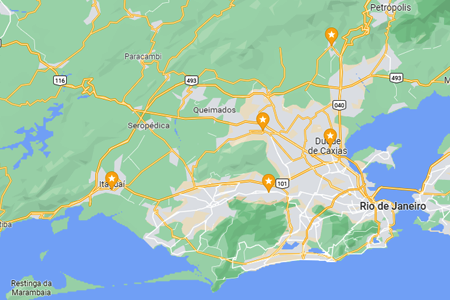 The Brazil Without Allergies Project consolidates its national presence and expands its reach with fixed units in Rio de Janeiro, Paraná, and now, in the capital of São Paulo, in the Campo Limpo neighborhood, South Zone. In addition to the physical clinics, the project has a strategic Mobile Unit that brings specialized medical care and free allergy tests to various cities, facilitating access to healthcare in remote regions. With over 700,000 consultations carried out since 2007 under the coordination of Dr. Marcello Bossois and Dr. Patrícia Schlinkert, the initiative complements the SUS (Brazilian Public Health System), offering support in the diagnosis and treatment of atopic dermatitis, asthma, bronchitis, rhinitis, and prurigo strophulus (allergy to insect bites). The new Campo Limpo unit in São Paulo reinforces this commitment, offering consultations with allergists and tests to identify allergic triggers. The project also provides allergy vaccines at affordable prices with the support of ABBAA, ensuring continuity of treatment. In Rio de Janeiro, fixed units serve Duque de Caxias, Nova Iguaçu (Red Cross), Realengo, Itaguaí, Iguaba Grande, Xerém, and Niterói, while in Paraná, service is provided in Curitiba. Prioritizing social inclusion, Brasil Sem Alergia focuses its efforts on those most in need, with international operations and mobile clinics. To schedule your appointment with an allergist and take your allergy test, contact us by phone: São Paulo ☎️ (11) 4210-1437, Rio de Janeiro ☎️ (21) 4063-8720, Curitiba ☎️ (41) 3542-1838 or via WhatsApp 📲 (21) 99545632. You can check the availability of the mobile unit in your region, see the map of the Campo Limpo unit and find all complete addresses on the official website https://www.brasilsemalergia.com.br/.
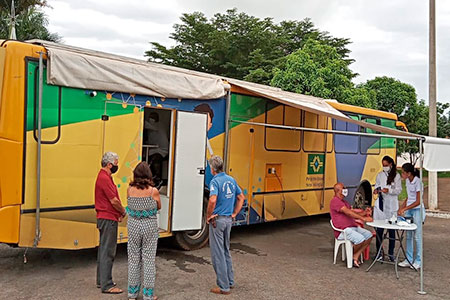 The Brazil Without Allergies Project reinforces its mission of social inclusion through its mobile and itinerant unit, which travels to various regions to bring health and well-being directly to your community. With the goal of democratizing access to specialized diagnosis, our mobile clinic offers consultations with an allergist and free allergy tests 🆓 to identify pathologies such as atopic dermatitis, asthma 🌬️, bronchitis 🫁, rhinitis, and prurigo strophulus (allergy to insect bites 🦟). This itinerant initiative complements the work of our fixed units located in Rio de Janeiro (Duque de Caxias, Nova Iguaçu, Realengo, Itaguaí, Iguaba Grande, Xerém and Niterói), Paraná (Curitiba), and our newest unit in São Paulo, in the Campo Limpo neighborhood, in the southern part of the capital. Working in a complementary way to the SUS (Brazilian Public Health System) and with the support of ABBAA (Brazilian Association of Allergy and Allergy), the project ensures that residents of more remote cities can also receive adequate treatment and allergy vaccines at affordable prices. To find out where our mobile unit is now, what the next destinations will be, or to schedule an appointment at the new Campo Limpo unit in São Paulo, contact us by phone: São Paulo ☎️ (11) 4210-1437, Rio de Janeiro ☎️ (21) 4063-8720 or via WhatsApp 📲 (21) 999545632. You can also check the map of the fixed Campo Limpo unit and get more information about the mobile unit's schedule on the official website https://www.brasilsemalergia.com.br/.


