


Treatment of allergic otitis with allergy vaccines
What is allergic otitis and how is it treated?
Treatment of allergic otitis
Brazil Without Allergies offers various procedures for the prevention, treatment, and control of allergic processes such as rhinitis, sinusitis, bronchitis, dermatitis, food allergies, and others.

Click and see more on our video channel.
What is allergic otitis and how is it treated?
The development of vaccines for the treatment of allergic otitis is a reality that has been helping thousands of people.
Chronic otitis is a common condition that is usually successfully treated with medication. In cases that persist despite conventional treatment, a diagnosis of allergic otitis should be considered, as well as treatment with allergy vaccines.
Patients who may have developed allergic otitis should undergo allergy testing, such as immediate-reading skin prick testing for allergens. These tests can be performed at one of our facilities in Duke of Caxias, New Iguaçu, Realengo, Itaguaí - RJ, Iguaba Grande - RJ (Red Cross) and Xerém Unit but mainly at the Duque de Caxias unit.
THE treatment of otitis It consists of identifying the allergen, avoiding further contact, and using simple preparations that avoid common sensitizers.
Allergic otitis is quite common in children. One of the reasons they are more predisposed to allergic otitis than adults is because their Eustachian tubes are shorter, more horizontal, and more prone to blockage by enlarged adenoids. Additionally, allergies are common in young children, and both problems can cause inflammation of the Eustachian tubes. Finally, children (especially those with recurrent otitis media) may secrete less immunoglobulin A, an antibody that limits bacterial adhesion to the nasopharynx.
The treatment of allergic otitis with allergy vaccines has been carried out for several years by the Brazil Without Allergies Project in its units in Duke of Caxias, New Iguaçu, Realengo, Itaguaí - RJ, Iguaba Grande - RJ (Red Cross) and Xerém Unit But especially in the Duque de Caxias unit. And it has been bringing relief to thousands of people.
 After the Eustachian tube is blocked, two things happen. First, mucociliary clearance is disrupted, and mucus becomes trapped in the middle ear. Then, gas reabsorption in the middle ear causes a pressure difference, similar to vacuum pressure, which draws bacteria from the nasopharynx into the middle ear. Once in this space, the bacteria can multiply, causing an infection.
The diagnosis of allergic otitis should be made by an otolaryngologist through evaluation of the medical history, signs and symptoms, and examination of the ear, performed using an otoscope.
Visit one of our locations in Duke of Caxias, New Iguaçu, Realengo, Itaguaí - RJ, Iguaba Grande - RJ (Red Cross) and Xerém Unit (but mainly in Duque de Caxias) and obtain this diagnosis, starting, if necessary, treatment for allergic otitis with a vaccine.

The Supplementary Label for Allergy Vaccines is helpful, just like the Package Insert for Medications.
Schedule your appointment
RIO DE JANEIRO
Telephone: +55 (21) 4063-8720
WhatsApp: +55 21 999545632
CURITIBA
Telephone: +55 (41) 3542-1838
IT WAS IN THE MEDIA
In Brazil, 30% of the population has some type of allergy, according to the World Health Organization.
How should people undergoing treatment act?
Patients with conditions such as rhinitis, bronchitis, and asthma may be more susceptible to infections from viruses and bacteria that cause colds and flu, for example. Dr. Marcello Bossois, physician and technical coordinator of the Brazil Without Allergies project, explains that this occurs because allergic patients produce what is called an adhesion protein. “The inflamed environment of the patient's mucous membranes, which can be the nose, bronchi, and throat, produces an adhesion protein that acts as a kind of hook for viruses and bacteria. The process is as follows: the patient breathes contaminated air, which, as it passes through the respiratory tract, brings the virus into contact with these proteins produced by the allergic person's body, allowing the virus to penetrate the body more easily. This is why allergic patients generally get sick quite frequently,” elucidates the head of the Brazil Without Allergies Project. The importance of preventative measures is becoming increasingly evident, and vaccination is one of them. Vaccines that protect the body from diseases such as influenza, H1N1, or even pneumococcus (which causes pneumonia), can currently alleviate and even help save lives.
Scientific references and institutional guidelines
The educational guidelines on this portal follow the clinical consensus of the leading medical societies of Allergy and Immunology:



 The Brazil Without Allergies Project consolidated its trajectory of care and social inclusion in 2007, when allergists and immunologists Dr. Marcello Bossois and Dr. Patrícia Schlinkert began volunteer work in Duque de Caxias, Rio de Janeiro, to assist the population affected by soot from the Reduc Refinery. What began as an emergency and temporary action became a permanent project of public utility, recognized by Municipal Law 3393 of 2024. With more than 700,000 consultations carried out, the project is now expanding its reach with the inauguration of a new unit in São Paulo, in the Campo Limpo neighborhood, in the southern part of the capital, reaffirming its commitment to bringing health to those who need it most. Through an initiative that complements the Brazilian Unified Health System (SUS), the "Brazil Without Allergies" program offers free allergy consultations and allergy testing to identify conditions such as rhinitis, asthma, bronchitis, atopic dermatitis, sinusitis, urticaria, food hypersensitivity, prurigo strophulus (insect bite allergy), otitis, and allergic conjunctivitis. The specialized care includes pediatric and adult allergists and offers allergy vaccines at affordable prices with the support of ABBAA. In addition to the new unit in Campo Limpo, the project is present in Rio de Janeiro in Duque de Caxias, Realengo, Nova Iguaçu (Red Cross building), Niterói, São Gonçalo, Maricá, Itaguaí, Xerém, and Iguaba, as well as Curitiba in Paraná, and also has national mobile units and initiatives in Africa and the United States. Prioritizing social inclusion, the project focuses on providing free care to those most in need. To schedule your appointment with an allergist and take your free allergy test, contact us by phone: Rio de Janeiro ☎️ +55 (21) 4063-8720, São Paulo ☎️ (11) 4210-1437, Curitiba ☎️ +55 (41) 3542-1838 or via WhatsApp 📲 +55 (21) 999545632, obtaining detailed locations and a link to the Campo Limpo map through the official website https://www.brasilsemalergia.com.br/.
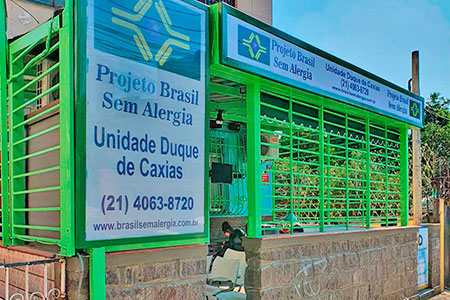 The Brazil Without Allergies Project consolidated its trajectory of care and social inclusion in 2007, when allergists and immunologists Dr. Marcello Bossois and Dr. Patrícia Schlinkert began volunteer work in Duque de Caxias, Rio de Janeiro, to assist the population affected by soot from the Reduc Refinery. What began as an emergency and temporary action became a permanent project of public utility, recognized by Municipal Law 3393 of March 25, 2024. With more than 700,000 consultations carried out, the project is now expanding its reach with the inauguration of a new unit in São Paulo, in the Campo Limpo neighborhood, in the southern part of the capital, reaffirming its commitment to bringing health and quality of life to those who need it most. Through an approach that complements the Brazilian Unified Health System (SUS) and international health systems, the "Brazil Without Allergies" project offers free allergy consultations and tests to identify pathologies such as rhinitis, asthma, bronchitis, atopic dermatitis, sinusitis, urticaria, food hypersensitivity, prurigo strophulus, otitis, and allergic conjunctivitis. The specialized care is provided by pediatric and adult allergists and offers allergy vaccines at affordable prices with the support of the Brazilian Beneficent Association for Allergy Support (ABBAA). In addition to the new unit in Campo Limpo, the project is present in Rio de Janeiro (Duque de Caxias, Realengo, Nova Iguaçu, Itaguaí, Xerém, Niterói, and Iguaba), as well as Curitiba in Paraná, and also has mobile units serving all of Brazil and international operations in Africa and the United States. Prioritizing social inclusion, the project encourages patients with health insurance plans to use their affiliated networks so that free and social care is focused on those who need it most. To schedule your appointment and take the free allergy test, patients can contact us by phone in Rio de Janeiro (21) 4063-8720, in São Paulo (11) 4210-1437, in Curitiba (41) 3542-1838 or via WhatsApp (21) 999545632, obtaining all the information and detailed locations through the official website brasilsemalergia.com.br
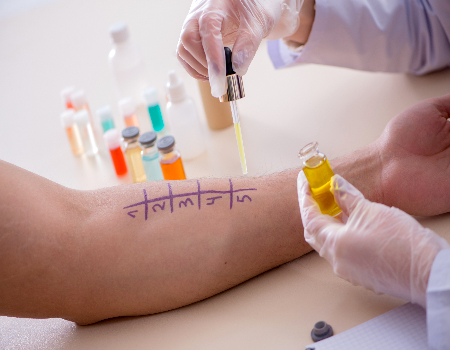 The Brazil Without Allergies Project consolidated its trajectory of care and social inclusion in 2007, when allergists and immunologists Dr. Marcello Bossois and Dr. Patrícia Schlinkert began volunteer work in Duque de Caxias, Rio de Janeiro, to assist the population affected by soot from the Reduc Refinery. What began as an emergency and temporary action became a permanent project of public utility, recognized by Municipal Law 3393 of 2024. With more than 700,000 consultations carried out, the project is now expanding its reach with the inauguration of a new unit in São Paulo, in the Campo Limpo neighborhood, in the southern part of the capital, reaffirming its commitment to bringing health to those who need it most. Through an approach that complements the SUS (Brazilian Public Health System), Brazil Without Allergies offers free and paid allergy testing consultations with allergists for various pathologies. We conduct tests to detect allergies that cause atopic dermatitis, asthma 🌬️, bronchitis 🫁, rhinitis, and prurigo strophulus (allergy to insect bites 🦟), including specific tests for dust, animal dander, food, and mosquitoes. Specialized care is provided by pediatric and adult allergists and offers allergy vaccines at affordable prices with the support of ABBAA. In addition to the new unit in Campo Limpo, the project is present in Rio de Janeiro in Duque de Caxias, Realengo, Nova Iguaçu (Red Cross building), Niterói, São Gonçalo, Maricá, Itaguaí, Xerém, and Iguaba, as well as Curitiba in Paraná, and also has national mobile units and outreach programs in Africa and the United States. Prioritizing social inclusion, the project focuses on providing free care to those who need it most. To schedule your appointment with an allergist and take your allergy test, contact us by phone: Rio de Janeiro ☎️ +55 (21) 4063-8720, São Paulo ☎️ (11) 4210-1437, Curitiba ☎️ +55 (41) 3542-1838 or via WhatsApp 📲 +55 (21) 999545632, obtaining detailed locations and the link to the Campo Limpo map through the official website https://www.brasilsemalergia.com.br/.
 Brazil Without Allergies' specialized care focuses on accurate diagnosis and accessible treatment of conditions such as atopic dermatitis, asthma 🌬️, bronchitis 🫁, rhinitis, and prurigo strophulus (allergy to insect bites 🦟). Our new unit in Campo Limpo, São Paulo, follows the network's standard of excellence, offering tests to detect allergies caused by dust, animal dander, and food. As a social inclusion project that complements the SUS (Brazilian Public Health System), we offer free and paid tests and treatments, relying on the fundamental support of ABBAA to make allergy vaccines available at affordable prices. We prioritize free care for those who need it most, encouraging patients with health insurance to use their own networks. Schedule your free allergy test 🆓 by contacting us at the following numbers: São Paulo ☎️ (11) 4210-1437, Rio de Janeiro ☎️ (21) 4063-8720 or Curitiba ☎️ (41) 3542-1838. You can also access the map of the new Campo Limpo unit or get more details on the institution's official website. Internationally recognized for its actions in Africa and the United States, the Brazil Without Allergies Social Project expands its health protection network with its arrival in Campo Limpo, in the South Zone of São Paulo. With a record of 700,000 consultations, our structure uses fixed clinics and mobile buses to bring allergist consultations and allergy tests to various regions, including Curitiba, Niterói, São Gonçalo, Maricá, Itaguaí and the Baixada Fluminense. We are a non-profit organization that seeks to democratize access to allergy vaccines and specialized treatments for sinusitis, otitis, and allergic conjunctivitis. Operating in accordance with ethical and legal standards, our medical team prioritizes social inclusion and overall well-being. To schedule appointments in São Paulo ☎️ (11) 4210-1437, Rio de Janeiro ☎️ (21) 4063-8720 or via WhatsApp 📲 (21) 999545632. Visit the website https://www.brasilsemalergia.com.br/ to find the unit nearest you and begin your treatment with a team that has been a leader in allergy health since 2007.
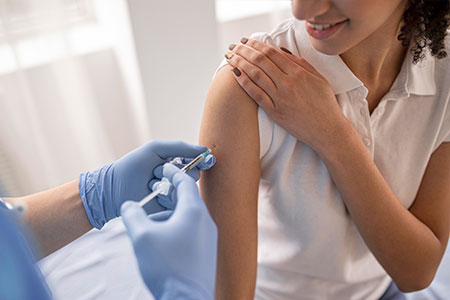 Protect Yourself with Vaccines at the Brazil Without Allergies Project! Vaccines are a safe and effective way to prevent diseases such as influenza, yellow fever 🟡, meningitis, pneumonia 🫁, and various allergies! The Brazil Without Allergies Project offers some free vaccines and medications through campaigns and sponsorships to help you have better health and quality of life. Our Locations — Rio de Janeiro: Duque de Caxias, Nova Iguaçu, Realengo, Itaguaí, Iguaba Grande (Red Cross) and Xerém. Paraná: Curitiba. 🩺 Our Services: We offer vaccines for Bronchitis 🫁, Rhinitis, Asthma, Atopic Dermatitis, and Candidiasis. Schedule your appointment! Phone RJ +55 (21) 4063-8720 and SP 11 4210-1437 ☎️WhatsApp: +55 (21) 999545632 Phone (Curitiba): +55 (41) 3542-1838 ☎️Find Our Locations Visit our website for complete addresses: https://www.brasilsemalergia.com.br/
 The Brazil Without Allergies Project 🇧🇷❤️ is the result of a journey of care and inclusion that began in 2007, when Dr. Marcello Bossois, an allergist and immunologist in Duque de Caxias, started volunteer work at a community association in the Baixada Fluminense region. What began as temporary support for local residents affected by the high incidence of allergies caused by soot from the region's refinery became a permanent project due to immense social demand. With the arrival of Dr. Patrícia Schlinkert, also an allergist in Duque de Caxias, the initiative strengthened, transforming into a public service organization that has already provided more than 700,000 consultations. Today, the project expands this legacy to São Paulo, with a new unit in the Campo Limpo neighborhood, in the southern part of the capital, reinforcing its mission to democratize access to healthcare. We offer specialized medical care and free 🆓 and paid allergy tests for conditions such as atopic dermatitis, asthma 🌬️, bronchitis 🫁, rhinitis, and prurigo strophulus (insect bite allergy 🦟). Complementing the work of the SUS (Brazilian Public Health System), Brasil Sem Alergia (Brazil Without Allergies) also offers allergy vaccines at affordable prices with the support of ABBAA (Brazilian Association of Allergy and Allergy). In addition to the new Campo Limpo unit, the project maintains units in Rio de Janeiro (Duque de Caxias, Nova Iguaçu, Realengo, Itaguaí, Xerém, Niterói, São Gonçalo, Maricá, and Iguaba Grande) and Paraná (Curitiba), as well as mobile units and international operations. To schedule your appointment with an allergist, contact us by phone: São Paulo ☎️ (11) 4210-1437, Rio de Janeiro ☎️ (21) 4063-8720, Curitiba ☎️ (41) 3542-1838 or via WhatsApp 📲 (21) 999545632. Check the detailed locations, including the Campo Limpo map, on the official website https://www.brasilsemalergia.com.br/.
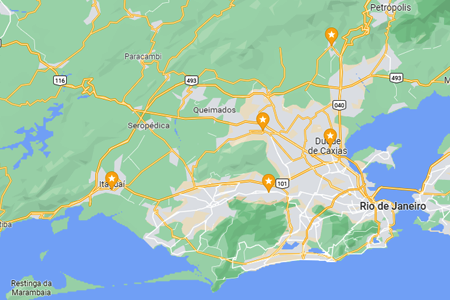 The Brazil Without Allergies Project consolidates its national presence and expands its reach with fixed units in Rio de Janeiro, Paraná, and now, in the capital of São Paulo, in the Campo Limpo neighborhood, South Zone. In addition to the physical clinics, the project has a strategic Mobile Unit that brings specialized medical care and free allergy tests to various cities, facilitating access to healthcare in remote regions. With over 700,000 consultations carried out since 2007 under the coordination of Dr. Marcello Bossois and Dr. Patrícia Schlinkert, the initiative complements the SUS (Brazilian Public Health System), offering support in the diagnosis and treatment of atopic dermatitis, asthma, bronchitis, rhinitis, and prurigo strophulus (allergy to insect bites). The new Campo Limpo unit in São Paulo reinforces this commitment, offering consultations with allergists and tests to identify allergic triggers. The project also provides allergy vaccines at affordable prices with the support of ABBAA, ensuring continuity of treatment. In Rio de Janeiro, fixed units serve Duque de Caxias, Nova Iguaçu (Red Cross), Realengo, Itaguaí, Iguaba Grande, Xerém, and Niterói, while in Paraná, service is provided in Curitiba. Prioritizing social inclusion, Brasil Sem Alergia focuses its efforts on those most in need, with international operations and mobile clinics. To schedule your appointment with an allergist and take your allergy test, contact us by phone: São Paulo ☎️ (11) 4210-1437, Rio de Janeiro ☎️ (21) 4063-8720, Curitiba ☎️ (41) 3542-1838 or via WhatsApp 📲 (21) 99545632. You can check the availability of the mobile unit in your region, see the map of the Campo Limpo unit and find all complete addresses on the official website https://www.brasilsemalergia.com.br/.
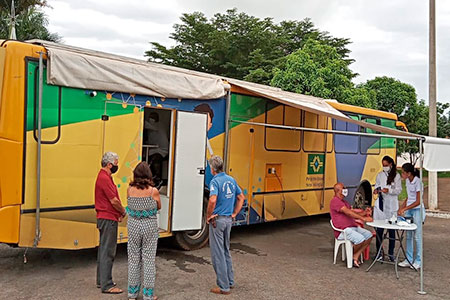 The Brazil Without Allergies Project reinforces its mission of social inclusion through its mobile and itinerant unit, which travels to various regions to bring health and well-being directly to your community. With the goal of democratizing access to specialized diagnosis, our mobile clinic offers consultations with an allergist and free allergy tests 🆓 to identify pathologies such as atopic dermatitis, asthma 🌬️, bronchitis 🫁, rhinitis, and prurigo strophulus (allergy to insect bites 🦟). This itinerant initiative complements the work of our fixed units located in Rio de Janeiro (Duque de Caxias, Nova Iguaçu, Realengo, Itaguaí, Iguaba Grande, Xerém and Niterói), Paraná (Curitiba), and our newest unit in São Paulo, in the Campo Limpo neighborhood, in the southern part of the capital. Working in a complementary way to the SUS (Brazilian Public Health System) and with the support of ABBAA (Brazilian Association of Allergy and Allergy), the project ensures that residents of more remote cities can also receive adequate treatment and allergy vaccines at affordable prices. To find out where our mobile unit is now, what the next destinations will be, or to schedule an appointment at the new Campo Limpo unit in São Paulo, contact us by phone: São Paulo ☎️ (11) 4210-1437, Rio de Janeiro ☎️ (21) 4063-8720 or via WhatsApp 📲 (21) 999545632. You can also check the map of the fixed Campo Limpo unit and get more information about the mobile unit's schedule on the official website https://www.brasilsemalergia.com.br/.


