


O que é Psoríase? — Como posso melhorar ou retardar a crise de uma pessoa que sofre de Psoríase?
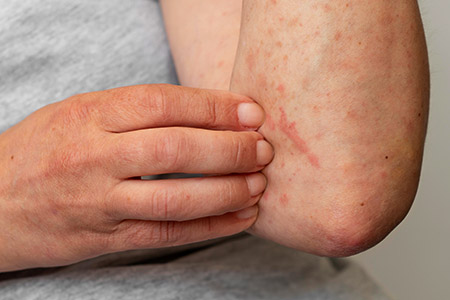
In the realm of allergic and immune-mediated diseases, the topic Psoriasis It occupies a prominent position due to the frequency with which it impacts the daily well-being of children, adults, and the elderly. This publication was prepared with the purpose of fully elucidating the issue. "O que é Psoríase? — Como posso melhorar ou retardar a crise de uma pessoa que sofre de Psoríase?", offering a structured overview from pathophysiology to diagnostic investigation and the safe prevention of new crises.
Complementary Audiovisual Content: Click here to watch the full explanatory video on the official Brasil Sem Alergia YouTube channel..
✔ Medical content reviewed and validated by the founding clinical staff of the Brazil Without Allergies Project
Dr. Marcello Bossois (CRM-RJ 52.73214-1) · Dr. Patricia Schlinkert (CRM/RJ 5274541-3) — more than 30 years of history in Allergy and Immunology, with units in Rio de Janeiro, São Paulo and Paraná. Last reviewed: November 2026.
Análise Clínica e Orientação Médica sobre Psoríase
Pergunta: "Boa noite! Parabéns por esse espaço de esclarecimento de dúvidas. Gostaria de saber mais sobre a psoríase, pois minha mãe está com esse quadro e o remédio não parece fazer efeito. Há algo que possamos fazer para melhorar ou retardar uma crise?" Resposta (Dr. Marcello Bossois): A psoríase é classificada dentro do grupo das doenças reumatológicas e autoimunes (de autoagressão). Os reumatismos podem acometer as articulações ou diversas outras áreas do corpo, como a pele, os pulmões e o coração.
Didaticamente, dividimos essas condições em doenças reumatológicas maiores — que provocam repercussão sistêmica ampla em vários órgãos — e doenças reumatológicas menores, mais localizadas, grupo no qual se inclui a psoríase cutânea. Hidratação intensiva e prevenção de superantígenos: A medida inicial mais importante no cuidado diário da psoríase é a hidratação rigorosa da pele, utilizando preferencialmente hidratantes corporais hipoalergênicos.
A hidratação reduz o processo inflamatório local e restaura a barreira cutânea. Quando a lesão fica ressecada e inflamada de forma crônica, ela acaba sendo colonizada por bactérias da pele, especialmente o Staphylococcus aureus. O combate do sistema imunológico contra essas bactérias gera fragmentos bacterianos chamados superantígenos, que perpetuam e agravam a inflamação, tornando a psoríase de difícil controle.
Tratamentos dermatológicos específicos: O acompanhamento com o médico dermatologista é indispensável para indicar terapias dirigidas, tais como: • Fototerapia (PUVA / UVB): banhos de luz ultravioleta associados ou não ao psoraleno (substância fotossensibilizante ativada pela radiação ultravioleta); • Imunomoduladores tópicos: medicamentos locais que modulam a resposta imunológica na pele sem os efeitos adversos dos corticoides, como os inibidores de calcineurina (tacrolimo e pimecrolimo).
Investigação de hipersensibilidade alimentar e controle emocional: Embora ainda seja tema de estudo, observa-se na prática clínica relação entre o agravamento da psoríase e quadros de alergia ou hipersensibilidade alimentar. Vale consultar um médico alergista para avaliar a necessidade de testes alérgicos alimentares — lembrando que um teste positivo isolado indica apenas sensibilização, cabendo ao especialista definir se há indicação real de restrição na dieta.
Por fim, manter o equilíbrio emocional é essencial: o estresse, a ansiedade e a depressão atuam como importantes gatilhos, levando à liberação de alarminas e de interferon-gama, que deflagram e intensificam as crises de autoagressão na pele.
Developments in Evidence-Based Medicine: Pharmacokinetics and Safety of Corticosteroids
The consolidated guidelines of Evidence-Based Medicine (GINA, ARIA, and Allergy and Endocrinology consensus) establish a strict distinction between the... topical/inhaled corticosteroids — which act locally on the respiratory or cutaneous mucosa with minimal systemic bioavailability and constitute the safe basis for chronic anti-inflammatory control — and the Systemic corticosteroids (oral or injectable depot corticosteroids, such as the combination of betamethasone dipropionate and disodium phosphate)Injectable depot formulations maintain prolonged release for weeks, promoting suppression of the hypothalamic-pituitary-adrenal axis (risk of secondary adrenal insufficiency), hyperglycemia, hypertension, fluid retention, bone demineralization, subcapsular cataracts, and immunosuppression, and should not be used as maintenance therapy for rhinitis, asthma, or urticaria.
💎 Diamond Plan — Peaceful skin, free from constant itching and sleepless flare-ups. Speak with an Allergy and Immunology specialist via teleconsultation, from anywhere in Brazil. Schedule a teleconsultation →
Note: Subject to prior medical evaluation (in person or via telemetry/telemedicine). Immunotherapy uses allergen-specific vaccines, which requires a prescription from the attending physician and must be administered under direct medical supervision.
Imunologia das Doenças Autoimunes Cutâneas e Cuidado Integrado
Eixo Inflamatório Th1/Th17, Gatilhos Ambientais e Barreira Epidérmica
Na interface entre a Imunologia Clínica, a Dermatologia e a Reumatologia, avaliar o paciente de forma sistêmica permite reconhecer precocemente comorbidades metabólicas, articulares e eventuais hipersensibilidades coexistentes. Exames como o Fator Antinuclear (FAN) e provas inflamatórias atuam como ferramentas de triagem que só adquirem significado diagnóstico real quando interpretados à luz do exame físico detalhado da pele, unhas, couro cabeludo e articulações.
Restauração Cutânea, Terapias Alvo e Investigação de Cofatores
Evitar procedimentos químicos agressivos durante fases ativas, proteger a integridade da pele e contar com suporte médico especializado são medidas essenciais. Quando coexistem manifestações alérgicas respiratórias, cutâneas ou alimentares, o allergy test criterioso auxilia na exclusão de cofatores irritativos e complementa o diagnóstico diferencial em relação a protocolos de vaccine for dermatitis.
IgE-Mediated Allergy, Mixed Allergy, and Difference from Enzyme Intolerances
In contemporary allergology, it is essential to differentiate the immunological reaction against food proteins—such as casein, alpha-lactalbumin, and beta-lactoglobulin in cow's milk, ovomucoid in eggs, or tropomyosin in crustaceans—from non-immune digestive intolerances, such as lactase enzyme deficiency. While intolerance causes abdominal distension, flatulence, and osmotic diarrhea restricted to the digestive tract, food allergy involves Th2 lymphocytes and IgE antibodies or eosinophilic cellular inflammation, and can cause acute urticaria, angioedema, bronchospasm, proctocolitis, or anaphylaxis within minutes of ingesting trace amounts.
Epithelial Dysfunction, Skin Microbiome, and Delayed Sensitization
In eczematous dermatitis and cases of chronic pruritus, differentiating constitutional atopy from allergic contact dermatitis (a type IV delayed hypersensitivity reaction mediated by T lymphocytes sensitized to metals, cosmetic preservatives, fragrances, resins, or rubber) is essential. Repeated exposure to the sensitizing agent maintains active skin inflammation even with the use of anti-inflammatory ointments, requiring precise identification of the triggering factor.
Immediate Reactions, Delayed Drug Reactions, and Risks of Self-Medication
Drug hypersensitivity reactions encompass distinct immunological and pharmacological mechanisms: from immediate reactions (up to one to six hours after dosing, manifested by urticaria, labial or palpebral angioedema, bronchospasm, and anaphylaxis, common with COX-1 inhibitor analgesics and beta-lactams) to delayed drug eruptions mediated by T cells, such as maculopapular rashes and DRESS syndrome — a systemic condition that arises weeks after the start of anticonvulsants, sulfones, or allopurinol, presenting with fever, lymphadenomegaly, eosinophilia, and the need for immediate discontinuation under hospital supervision.
Impact on Quality of Life, Sleep, and Systemic Well-being
Além das manifestações físicas diretas, quadros não controlados ligados a Psoríase interferem profundamente na arquitetura do sono reparador, na capacidade de concentração escolar e profissional e no equilíbrio emocional. O estresse crônico, por meio de mediadores neuroendócrinos e alarminas epiteliais, retroalimenta a resposta inflamatória imunitária. Dessa forma, instituir uma abordagem integral de reabilitação clínica e ambiental restaura a autonomia diária e o bem-estar global do indivíduo.
Importance of Differential Diagnosis and Detailed Medical History
Na especialidade de Alergia e Imunologia, dois pacientes com sintomas aparentemente semelhantes envolvendo Psoríase podem apresentar mecanismos fisiopatológicos completamente distintos. Por essa razão, a história clínica minuciosa — investigando cronologia das crises, ambiente domiciliar e profissional, histórico familiar de atopia, uso de fármacos concomitantes e hábitos alimentares — funciona como bússola indispensável para interpretar corretamente exames laboratoriais (como dosagem de IgE total e específica) e provas funcionais. Um resultado laboratorial isolado jamais substitui o julgamento clínico presencial ou por telemedicina especializada, prevenindo diagnósticos equivocados e tratamentos desnecessários.
Environmental Prevention, Therapeutic Adherence, and Continuous Monitoring
Long-term success in managing allergic and immunological conditions depends directly on the alliance between targeted medical treatment and daily educational measures. Maintaining well-ventilated environments free from accumulated household dust, preserving the physiological hydration of mucous membranes and the skin barrier, strictly adhering to the schedules and technique for using prescribed preventive medications, and conducting periodic check-ups allow for the stabilization of subclinical inflammation before it progresses to acute exacerbations.
Clinical Safety Criteria and Warning Signs in Allergology
Early recognition of warning signs requiring priority medical reassessment is part of the health education of every patient and their family. Symptoms such as progressive dyspnea (difficulty breathing or speaking in complete sentences), refractory wheezing, sudden edema of the lips, tongue, or glottis, dizziness due to a drop in blood pressure, persistent fever associated with skin lesions or mucous membrane involvement require immediate emergency care, followed by a structured allergy investigation to prevent future recurrences.
Diamond Plan: Specialized Allergy Treatment Wherever You Are
We know that, for many families, allergy treatment faces two concrete obstacles: high cost of allergy vaccines and the distance to a specialized centerThe Diamond Plan It was created precisely to remove these barriers, combining teleconsultation with specialists and easy access to immunotherapy throughout the country. For peaceful skin, free from constant itching and sleepless nights due to flare-ups.
Why do patients across Brazil choose the Diamond Plan?
- Teleconsultation with a specialist In Allergy and Immunology, without queues and without long commutes — ideal for those who live far from large cities.
- easy access to Immunotherapy (including allergy vaccines and immunostimulants) — indicated for the treatment of allergic rhinitis, asthma, bronchitis, atopic dermatitis, insect/mosquito bite allergy (prurigo strophulus), recurrent candidiasis, and for increasing immunity in selected patients — capable of modifying the natural course of allergic disease, always through consultation and individualized prescription.
- A more accessible route For those facing the high cost of allergy vaccines, this plan offers support for continuity of treatment.
- Continuous monitoring based on clinical evolution, with adjustments to treatment throughout the entire therapeutic cycle.
- National coverage, backed by a consolidated physical network and a founding clinical team with over three decades of experience.
More than 30 years caring for people with allergies.
Founded and run by Dr. Marcello Bossois (CRM-RJ 52.73214-1) and by Dr. Patrícia Schlinkert (CRM/RJ 5274541-3)The Brazil Without Allergies Project adds... more than 30 years of history and more than 450,000 free services, with physical presence at Rio de Janeiro, São Paulo and Paraná, one mobile clinic bus that brings testing and consultations to communities with limited access to specialized care and a platform of telemedicine which connects patients from all states to the same standard of care.
START TODAY
Your expert consultation is just a click away.
I want to join the Diamond Plan.Schedule a teleconsultation
Official telemedicine environment: brasilsemalergia.online
Do you prefer to be served in person?
Our clinical units They conduct consultations, allergy tests, and immunotherapy follow-up with doctors in person:
- Rio de Janeiro: Realengo (West Zone), North Zone, Duke of Caxias, Xerém, New Iguaçu, Itaguaí, Niterói, Iguaba Grande and Saint Peter of the Village (Lakes Region).
- São Paulo: Campo Limpo (South Zone).
- Paraná: Curitiba.
Schedule your in-person appointment. Or check the mobile bus schedule through the customer service center on WhatsApp. (21) 99954-5632.
The indication for immunotherapy, and for any treatment, depends on an individual medical evaluation. This content is for informational purposes only and does not replace consultation with a specialist.
Note: Subject to prior medical evaluation (in person or via telemetry/telemedicine). Immunotherapy uses allergen-specific vaccines, which requires a prescription from the attending physician and must be administered under direct medical supervision.
Conclusion and Summary of Guidelines
It is concluded that the efficient management of issues related to Psoriasis It relies on the combination of high-quality scientific information, environmental prevention, and therapy tailored to each patient's profile. In the face of persistent or recurring symptoms, seek evaluation with an allergist and immunologist—integrating thorough diagnostic investigation and established treatment options. allergy vaccine Whenever indicated — ensures clinical safety and long-lasting health protection.
Scientific references and authoritative sources
The guidelines on this page follow the guidelines and literature of leading international Allergy and Immunology institutions. For further information:


