


I improved my CD4 level — I am HIV positive — When could I get the Yellow Fever vaccine?
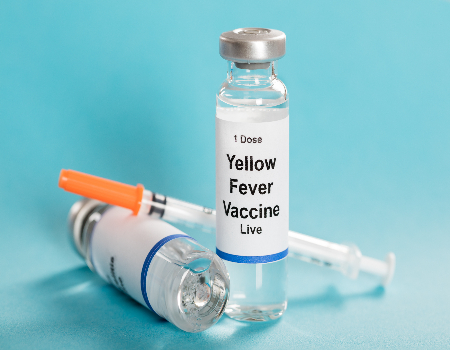
In the realm of allergic and immune-mediated diseases, the topic I improved my CD4 level It occupies a prominent position due to the frequency with which it impacts the daily well-being of children, adults, and the elderly. This publication was prepared with the purpose of fully elucidating the issue. "I improved my CD4 level — I'm HIV positive — When could I get the Yellow Fever vaccine?", offering a structured overview from pathophysiology to diagnostic investigation and the safe prevention of new crises.
✔ Medical and scientific content reviewed and validated. by the founding clinical staff of the Brazil Without Allergies Project
Dr. Marcello Bossois (CRM-RJ 52.73214-1) · Dr. Patricia Schlinkert (CRM/RJ 5274541-3) — more than 30 years of history in Allergy and Clinical Immunology, with units in Rio de Janeiro, São Paulo and Paraná. Last reviewed: November 2026.

Complementary Audiovisual Content: Click here to watch the full explanatory video on the official Brasil Sem Alergia YouTube channel..
Yellow Fever Vaccine Care for Patients Living with HIV
Concern about immunization in patients diagnosed with HIV is a frequent topic of extreme clinical importance. The main doubt concerns the appropriate and safe time to administer immunization agents, especially those composed of live attenuated viruses, as is the case with the yellow fever vaccine.
According to medical and immunological guidelines, carrying out this vaccination requires strict safety criteria related to the patient's immunocompetence. The immune system needs to show a consistent and sustained recovery before receiving any attenuated virus immunobiological.
The vaccination release process involves fundamental steps:
- Adherence to Antiretroviral Therapy (ART): Regular use of medications prescribed by the infectious disease specialist is essential to control viral replication and allow gradual recovery of immunity.
- CD4 Count Recovery: Laboratory tests must demonstrate a satisfactory increase in the CD4 T lymphocyte count and stabilization of the viral load at undetectable levels.
- Stable Window Period: Even after finding that CD4 levels have improved, it is necessary to wait and maintain these parameters stable for a minimum period of six months before considering the application of the yellow fever vaccine.
This six-month wait with the immune system recovered ensures that the organism has adequate response capacity without taking risks associated with vaccine replication. It is essential to emphasize that this content is strictly educational and informative in nature and does not replace individualized medical evaluation. Patients living with HIV should always consult their treating physician or specialist before receiving any immunization.
Developments in Evidence-Based Medicine: Differential Diagnosis between Food Allergy and Intolerances
The international guidelines on Food Allergy and Gastroenterology (EAACI/ASBAI) emphasize the precise pathophysiological distinction between immune-mediated food allergy — directed against specific protein fractions in food (such as casein, alpha-lactalbumin, and beta-lactoglobulin in cow's milk protein allergy; ovomucoid in eggs; or tropomyosin in crustaceans), which may be IgE-mediated (risk of immediate anaphylaxis), non-IgE-mediated, or mixed (as in eosinophilic esophagitis and allergic proctocolitis) — and enzymatic or fermentative food intolerances (such as hypolactasia/lactose intolerance and visceral hypersensitivity to fermentable carbohydrates FODMAPs), which do not involve an immune response or anaphylactic risk. The gold standard diagnosis relies on clinical history, specific IgE for molecular components (Component-Resolved Diagnostics), skin tests and, when indicated, oral provocation test (OPT) supervised, avoiding unnecessary restrictive diets.
Safe Immunization, Immune Response, and Protection of the Allergic Patient
Vaccine Mechanisms, Excipients, and Assessment of Immune Competence
In assessing the competence of the immune system—whether in recurrent infections, laboratory alterations in immunoglobulins (IgG, IgA, IgM, IgE), or in people living with HIV under monitoring of CD4 T lymphocyte counts—a careful distinction is made between the use of inactivated/subunit vaccines (widely safe even in immunocompromised individuals) and live attenuated vaccines, whose indication depends on the degree of preservation of cellular immunity. Furthermore, patients undergoing allergy immunotherapy can maintain their vaccination schedule, respecting only small operational intervals as directed by the medical team.
Integration between Vaccination Schedule, Allergy Tests and Baseline Monitoring
Individualized assessment by an allergist and immunologist correlates laboratory tests of cellular and humoral immunity with the patient's actual clinical history. Combining the allergy test well indicated for preventive monitoring — including allergy vaccine In cases of atopic dermatitis, and with immunostimulant vaccines when applicable, broad, safe protection based on scientific evidence is guaranteed.
Conclusion and Summary of Guidelines
It is concluded that the efficient management of issues related to I improved my CD4 level It relies on the combination of high-quality scientific information, environmental prevention, and therapy tailored to each patient's profile. In the face of persistent or recurring symptoms, seek evaluation with an allergist and immunologist—integrating thorough diagnostic investigation and established treatment options. rhinitis treatment Whenever indicated — ensures clinical safety and long-lasting health protection.
Scientific references and institutional guidelines
The educational guidelines on this portal follow the clinical consensus of the leading medical societies of Allergy and Immunology:


