


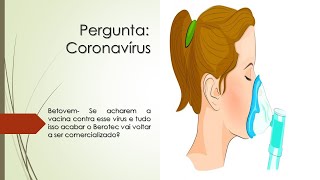
Se acharem a vacina contra esse vírus e tudo isso acabar o Berotec vai voltar a ser comercializado?
When symptoms or doubts arise involving Se acharem a vacina contra esse vírus e tudoDistinguishing between scientifically validated information and palliative care makes all the difference in the evolution of respiratory, skin, and systemic health. This page aims to deepen understanding of... "Se acharem a vacina contra esse vírus e tudo isso acabar o Berotec vai voltar a ser comercializado?", providing clear context on how the immune system reacts, which signs require medical attention, and how to structure individualized and effective care.
✔ Medical content reviewed and validated by the founding clinical staff of the Brazil Without Allergies Project
Dr. Marcello Bossois (CRM-RJ 52.73214-1) · Dr. Patricia Schlinkert (CRM/RJ 5274541-3) — more than 30 years of history in Allergy and Immunology, with units in Rio de Janeiro, São Paulo and Paraná. Last reviewed: November 2026.
O Fim da Comercialização do Berotec e sua Relação com a Pandemia
Uma dúvida frequente entre pacientes que utilizavam o fenoterol, conhecido comercialmente como Berotec, refere-se aos motivos de sua retirada do mercado e se o medicamento voltaria a ser comercializado com o fim da pandemia de COVID-19. É importante esclarecer que a suspensão da fabricação e distribuição do Berotec não guarda nenhuma relação com o coronavírus, tratando-se de uma decisão farmacológica e de segurança médica tomada de forma ampla em diversos países, incluindo o Brasil.
Embora o Berotec tenha sido um medicamento de extrema importância histórica na medicina de emergência e no socorro a crises de asma — salvando inúmeras vidas ao longo de décadas —, a evolução científica permitiu o desenvolvimento de alternativas terapêuticas consideravelmente mais seguras. Atualmente, os especialistas dão preferência a broncodilatadores de curta duração e ação rápida que apresentam perfis de segurança estatisticamente superiores e índices de efeitos colaterais e mortalidade muito menores.
Na prática clínica e pneumológica, a prioridade é sempre o bem-estar integral e a segurança do paciente, adotando-se substâncias que ofereçam o máximo de eficácia com o mínimo de risco. Por essa razão, mesmo com o avanço no controle de infecções respiratórias virais, o retorno do Berotec ao mercado não está previsto, uma vez que a medicina moderna dispõe de opções terapêuticas mais avançadas e seguras para o manejo das crises obstrutivas.
Nebulização em Tempos de Infecções Respiratórias
Outro ponto relevante que costuma gerar confusão é a prática da nebulização. Durante o contexto da pandemia de COVID-19, os especialistas desaconselharam o procedimento de nebulização não por conta da medicação utilizada, mas devido ao próprio mecanismo do equipamento. O aerossol gerado pela nebulização pode se misturar com gotículas das vias aéreas de um indivíduo — mesmo que portador assintomático — e se espalhar pelo ambiente, facilitando a transmissão do vírus para outras pessoas que convivem na mesma residência.
Por esse motivo, as diretrizes médicas passaram a recomendar o uso de dispositivos inalatórios alternativos, como os inaladores pressurizados em jato ("bombinhas") e os medicamentos em pó seco. Esses dispositivos são altamente seguros, eficazes e não produzem o aerossol de risco associado às antigas nebulizações, protegendo tanto o paciente quanto seus familiares.
Este conteúdo possui caráter exclusivamente educativo e informativo, não substituindo em hipótese alguma a consulta médica, o diagnóstico ou a avaliação individualizada com um médico especialista em Alergia e Imunologia ou Pneumologia.
Development in Evidence-Based Medicine: Bronchial Inflammation Control and Lung Function (GINA)
According to global guidelines of Global Initiative for Asthma (GINA), a bronchial asthma It is a chronic inflammatory disease of the airways characterized by bronchial hyperreactivity and variable obstruction to expiratory airflow, objectively documented by Spirometry (pulmonary function test with bronchodilator test)The fundamental therapeutic pillar consists of the continuous control of eosinophilic/Th2 inflammation of the bronchial mucosa through... inhaled corticosteroids (alone or in combination with long-acting beta-2 agonist bronchodilators — LABA, such as formoterol or salmeterol), using proper inhalation technique or a valved spacer. The isolated and repetitive use of short-acting bronchodilators (such as salbutamol or fenoterol) without inhaled anti-inflammatory coverage is associated with a higher risk of severe exacerbations and bronchial remodeling.
💎 Diamond Plan — Well-controlled asthma shouldn't require frequent trips to the emergency room. Talk to an Allergy and Immunology specialist via teleconsultation, from anywhere in Brazil. Schedule a teleconsultation →
Note: Subject to prior medical evaluation (in person or via telemetry/telemedicine). Immunotherapy uses allergen-specific vaccines, which requires a prescription from the attending physician and must be administered under direct medical supervision.
Control of Bronchial Inflammation, Lung Function, and Prevention of Remodeling
Lower Airway Hyperreactivity and the Role of Inhalation Therapy
Bronchial asthma and allergic bronchitis are chronic inflammatory diseases of the lower airways, characterized by bronchial hyperreactivity, mucosal edema, mucus hypersecretion, and variable obstruction to expiratory airflow. When eosinophilic or allergic inflammation (type 2) remains uncontrolled over the years—or when the patient uses only short-term bronchodilators without treating the underlying inflammation—thickening of the basement membrane and hypertrophy of the bronchial smooth muscle occur, a process known as bronchial remodeling.
Inhalation Technique, Environmental Control and Respiratory Immunotherapy
The integration between environmental control of household dust, adherence to the prescribed preventive plan, and implementation of allergy test allows you to customize the asthma treatmentIn the presence of proven IgE sensitization, the asthma vaccine It acts on the immunological cause of respiratory hyper-reactivity, while cases of severe refractory asthma now have access to highly precise immunobiological drugs.
Epithelial Dysfunction, Skin Microbiome, and Delayed Sensitization
In eczematous dermatitis and cases of chronic pruritus, differentiating constitutional atopy from allergic contact dermatitis (a type IV delayed hypersensitivity reaction mediated by T lymphocytes sensitized to metals, cosmetic preservatives, fragrances, resins, or rubber) is essential. Repeated exposure to the sensitizing agent maintains active skin inflammation even with the use of anti-inflammatory ointments, requiring precise identification of the triggering factor.
Immediate Reactions, Delayed Drug Reactions, and Risks of Self-Medication
Drug hypersensitivity reactions encompass distinct immunological and pharmacological mechanisms: from immediate reactions (up to one to six hours after dosing, manifested by urticaria, labial or palpebral angioedema, bronchospasm, and anaphylaxis, common with COX-1 inhibitor analgesics and beta-lactams) to delayed drug eruptions mediated by T cells, such as maculopapular rashes and DRESS syndrome — a systemic condition that arises weeks after the start of anticonvulsants, sulfones, or allopurinol, presenting with fever, lymphadenomegaly, eosinophilia, and the need for immediate discontinuation under hospital supervision.
Vaccine Mechanisms, Excipients, and Assessment of Immune Competence
In assessing the competence of the immune system—whether in recurrent infections, laboratory alterations in immunoglobulins (IgG, IgA, IgM, IgE), or in people living with HIV under monitoring of CD4 T lymphocyte counts—a careful distinction is made between the use of inactivated/subunit vaccines (widely safe even in immunocompromised individuals) and live attenuated vaccines, whose indication depends on the degree of preservation of cellular immunity. Furthermore, patients undergoing allergy immunotherapy can maintain their vaccination schedule, respecting only small operational intervals as directed by the medical team.
Clinical Safety Criteria and Warning Signs in Allergology
Early recognition of warning signs requiring priority medical reassessment is part of the health education of every patient and their family. Symptoms such as progressive dyspnea (difficulty breathing or speaking in complete sentences), refractory wheezing, sudden edema of the lips, tongue, or glottis, dizziness due to a drop in blood pressure, persistent fever associated with skin lesions or mucous membrane involvement require immediate emergency care, followed by a structured allergy investigation to prevent future recurrences.
Impact on Quality of Life, Sleep, and Systemic Well-being
Além das manifestações físicas diretas, quadros não controlados ligados a Se acharem a vacina contra esse vírus e tudo interferem profundamente na arquitetura do sono reparador, na capacidade de concentração escolar e profissional e no equilíbrio emocional. O estresse crônico, por meio de mediadores neuroendócrinos e alarminas epiteliais, retroalimenta a resposta inflamatória imunitária. Dessa forma, instituir uma abordagem integral de reabilitação clínica e ambiental restaura a autonomia diária e o bem-estar global do indivíduo.
Importance of Differential Diagnosis and Detailed Medical History
Na especialidade de Alergia e Imunologia, dois pacientes com sintomas aparentemente semelhantes envolvendo Se acharem a vacina contra esse vírus e tudo podem apresentar mecanismos fisiopatológicos completamente distintos. Por essa razão, a história clínica minuciosa — investigando cronologia das crises, ambiente domiciliar e profissional, histórico familiar de atopia, uso de fármacos concomitantes e hábitos alimentares — funciona como bússola indispensável para interpretar corretamente exames laboratoriais (como dosagem de IgE total e específica) e provas funcionais. Um resultado laboratorial isolado jamais substitui o julgamento clínico presencial ou por telemedicina especializada, prevenindo diagnósticos equivocados e tratamentos desnecessários.
Diamond Plan: Specialized Allergy Treatment Wherever You Are
Living hundreds of miles from an allergist or having to interrupt treatment because of the price of vaccines shouldn't be anyone's fate. With the Diamond PlanBrazil Without Allergies brings the same high standard of care from its clinics to your home, with telemedicine consultations and a more accessible path to immunotherapy. Well-controlled asthma shouldn't depend on frequent trips to the emergency room.
Why do patients across Brazil choose the Diamond Plan?
- Teleconsultation with a specialist In Allergy and Immunology, without queues and without long commutes — ideal for those who live far from large cities.
- easy access to Immunotherapy (including allergy vaccines and immunostimulants) — indicated for the treatment of allergic rhinitis, asthma, bronchitis, atopic dermatitis, insect/mosquito bite allergy (prurigo strophulus), recurrent candidiasis, and for increasing immunity in selected patients — capable of modifying the natural course of allergic disease, always through consultation and individualized prescription.
- A more accessible route For those facing the high cost of allergy vaccines, this plan offers support for continuity of treatment.
- Continuous monitoring based on clinical evolution, with adjustments to treatment throughout the entire therapeutic cycle.
- National coverage, backed by a consolidated physical network and a founding clinical team with over three decades of experience.
More than 30 years caring for people with allergies.
Founded and run by Dr. Marcello Bossois (CRM-RJ 52.73214-1) and by Dr. Patrícia Schlinkert (CRM/RJ 5274541-3)The Brazil Without Allergies Project adds... more than 30 years of history and more than 450,000 free services, with physical presence at Rio de Janeiro, São Paulo and Paraná, one mobile clinic bus that brings testing and consultations to communities with limited access to specialized care and a platform of telemedicine which connects patients from all states to the same standard of care.
START TODAY
Your expert consultation is just a click away.
I want to join the Diamond Plan.Schedule a teleconsultation
Official telemedicine environment: brasilsemalergia.online
Do you prefer to be served in person?
Our clinical units They conduct consultations, allergy tests, and immunotherapy follow-up with doctors in person:
- Rio de Janeiro: Realengo (West Zone), North Zone, Duke of Caxias, Xerém, New Iguaçu, Itaguaí, Niterói, Iguaba Grande and Saint Peter of the Village (Lakes Region).
- São Paulo: Campo Limpo (South Zone).
- Paraná: Curitiba.
Schedule your in-person appointment. Or check the mobile bus schedule through the customer service center on WhatsApp. (21) 99954-5632.
The indication for immunotherapy, and for any treatment, depends on an individual medical evaluation. This content is for informational purposes only and does not replace consultation with a specialist.
Note: Subject to prior medical evaluation (in person or via telemetry/telemedicine). Immunotherapy uses allergen-specific vaccines, which requires a prescription from the attending physician and must be administered under direct medical supervision.
Conclusion and Summary of Guidelines
In summary, the appropriate approach to Se acharem a vacina contra esse vírus e tudo It requires a clear understanding of the immunological mechanisms involved, precise etiological diagnosis, and individualized medical follow-up. Avoiding self-medication and investigating the root cause of symptoms—relying on specialized resources and reliable guidance such as specialized allergy and immunology care when clinically relevant—is the safest way to control flare-ups, prevent complications, and ensure sustainable quality of life.
Scientific references and authoritative sources
The guidelines on this page follow the guidelines and literature of leading international Allergy and Immunology institutions. For further information:


