


Tenho alergia crônica que me faz ter dificuldade para respirar — O que fazer? i
When symptoms or doubts arise involving Tenho alergia crônica que me faz terDistinguishing between scientifically validated information and palliative care makes all the difference in the evolution of respiratory, skin, and systemic health. This page aims to deepen understanding of... "Tenho alergia crônica que me faz ter dificuldade para respirar — O que fazer? i", providing clear context on how the immune system reacts, which signs require medical attention, and how to structure individualized and effective care.
✔ Medical content reviewed and validated by the founding clinical staff of the Brazil Without Allergies Project
Dr. Marcello Bossois (CRM-RJ 52.73214-1) · Dr. Patricia Schlinkert (CRM/RJ 5274541-3) — more than 30 years of history in Allergy and Immunology, with units in Rio de Janeiro, São Paulo and Paraná. Last reviewed: November 2026.
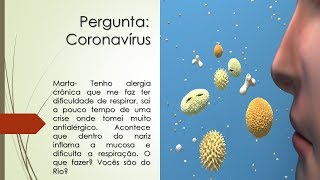
O Manejo da Alergia Crônica e a Dificuldade Respiratória
O controle inadequado de quadros alérgicos crônicos frequentemente resulta em inflamação da mucosa nasal e das vias aéreas, gerando sintomas como a dificuldade respiratória. Durante as crises, o uso de medicamentos anti-histamínicos e outras medicações de alívio rápido desempenha um papel fundamental. No entanto, é importante compreender que essas substâncias atuam bloqueando os mediadores químicos do processo alérgico — como a histamina e os leucotrienos —, controlando os sintomas de forma imediata, mas sem modificar a raiz do problema imunológico.
Para alcançar uma melhora definitiva na qualidade de vida e alterar a história natural da doença, a abordagem médica deve ser ampla e direcionada a etapas fundamentais:
- Diagnóstico preciso: Identificar com exatidão os alérgenos causadores do processo inflamatório por meio de avaliação médica especializada e exames complementares.
- Tratamento medicamentoso adequado: Utilizar medicações de controle — como anti-histamínicos, antileucotrienos, sprays nasais com corticosteroides e terapias inalatórias — conforme a prescrição médica para manter as vias aéreas desinflamadas.
- Controle ambiental: Reduzir a exposição aos gatilhos alérgicos no domicílio, diminuindo a carga antigênica diária.
- Imunoterapia alérgeno-específica: O uso de vacinas para alergia é o único tratamento capaz de modular o sistema imunológico a longo prazo, induzindo a produção de células T reguladoras e anticorpos bloqueadores (como o IgG4), promovendo o equilíbrio imunológico duradouro.
Além do desconforto respiratório intrínseco da alergia, a inflamação crônica e o acúmulo de secreções nas mucosas podem favorecer a adesão de agentes infecciosos. Pacientes com rinite ou outras condições alérgicas não controladas apresentam maior vulnerabilidade a infecções virais respiratórias e gripes, que muitas vezes podem evoluir para infecções bacterianas secundárias e exigir o uso cauteloso de antibióticos. Por isso, manter o tratamento preventivo em dia é a melhor forma de proteger a saúde respiratória.
Nota importante: Este conteúdo possui caráter exclusivamente educativo e informativo, não substituindo em hipótese alguma a consulta, o diagnóstico e a avaliação individualizada com um médico especialista em Alergia e Imunologia.
Developments in Evidence-Based Medicine: The Unified Airway Concept (ARIA/EPOS)
The international ARIA consensuses (Allergic Rhinitis and its Impact on Asthma) and EPOS (European Position Paper on Rhinosinusitis and Nasal Polyps) consolidate the pathophysiological concept of single (unified) air routeThe nasal mucosa, paranasal sinuses, and tracheobronchial tree share the same ciliated pseudostratified respiratory epithelium and the same immunological mechanisms mediated by IgE, mast cells, and eosinophils. Persistent edema of the sinus drainage ostia in uncontrolled allergic rhinitis predisposes to mucociliary stasis, post-nasal drip, recurrent rhinosinusitis, and bronchial hyperreactivity. Evidence-based management integrates nasal hygiene with isotonic/hypertonic saline solution, topical intranasal corticosteroids, environmental control, and... allergen-specific immunotherapy to induce lasting immune tolerance.
💎 Diamond Plan — Safe immunization, even for those with a history of allergies. Speak with an Allergy and Immunology specialist via teleconsultation, from anywhere in Brazil. Schedule a teleconsultation →
Note: Subject to prior medical evaluation (in person or via telemetry/telemedicine). Immunotherapy uses allergen-specific vaccines, which requires a prescription from the attending physician and must be administered under direct medical supervision.
Imunologia da Mucosa Digestiva: Eixo Intestino-Vias Aéreas e Diagnóstico Diferencial
Epithelial Barrier, Eosinophilic Inflammation, and Intestinal Permeability
Immune-mediated disorders of the gastrointestinal tract—including eosinophilic esophagitis, celiac disease, and non-celiac gluten sensitivity—share alterations in the integrity of the tight junctions of the digestive epithelium. In eosinophilic esophagitis, frequently associated with rhinitis, asthma, and atopic dermatitis, eosinophil infiltration of the esophageal wall causes dysphagia, food impaction, and symptoms that mimic gastroesophageal reflux refractory to proton pump inhibitors.
Abordagem Multidisciplinar entre Alergologia e Gastroenterologia
Para alcançar remissão clínica sustentada, recomenda-se investigação conjunta que combine avaliação endoscópica, allergy test criterioso e acompanhamento nutricional especializado. A condução por meio de food allergy treatment direcionada à causa base reduz a inflamação crônica da mucosa e previne complicações estruturais a longo prazo.
Mast Cell Activation, Histamine, and the Bradykinin Pathway
When isolated recurrent angioedema occurs without surrounding pruritic plaques, immunological reasoning must distinguish histaminergic conditions from those mediated by bradykinin—including hereditary or acquired angioedema due to functional or quantitative deficiency of C1-esterase inhibitor (C1-INH) and reactions induced by angiotensin-converting enzyme (ACE) inhibitor antihypertensive drugs. This differentiation is vital because bradykinin-related angioedema does not respond to conventional antihistamines or corticosteroids.
Inflammation of the Respiratory Mucosa, House Mites, and Local Complications
The nose performs vital functions of filtering, warming, and humidifying inhaled air before it reaches the lungs. In allergic rhinitis and chronic rhinosinusitis, contact between aeroallergens—especially house dust mites (Dermatophagoides pteronyssinus and Blomia tropicalis), anemophilous fungi, and epithelia—and IgE antibodies fixed to mast cells in the nasal mucosa triggers the immediate release of histamine, leukotrienes, and prostaglandins. This process generates nasal obstruction, itching, sneezing fits, post-nasal drip (a frequent cause of chronic nighttime cough), and vascular fragility that can favor minor bleeding (epistaxis) due to trauma from blowing the nose or from poorly directed sprays.
Immediate Reactions, Delayed Drug Reactions, and Risks of Self-Medication
Another critical pharmacovigilance point concerns the indiscriminate use of long-acting oral or injectable systemic corticosteroids (such as intramuscular betamethasone combinations). Although they provide apparent rapid relief, repeated applications suppress the hypothalamic-pituitary-adrenal axis, raise blood pressure and blood glucose, demineralize bone mass, weaken immunity against infections, and can cause local neuropathic pain when improperly applied to the gluteal region.
Vaccine Mechanisms, Excipients, and Assessment of Immune Competence
Preventive immunization represents one of the greatest achievements of medicine in reducing hospitalizations and serious infectious complications, especially in patients with chronic respiratory diseases (such as asthma and COPD), heart disease, high blood pressure, and diabetes. Patients allergic to aeroallergens, foods, or common medications do not have a general contraindication to vaccines; allergological attention focuses on the specific evaluation of rare cases of previous anaphylaxis to isolated components of the formula (such as polyethylene glycol, polysorbate, or specific protein traces), situations that now have safe assisted application protocols.
Clinical Safety Criteria and Warning Signs in Allergology
Early recognition of warning signs requiring priority medical reassessment is part of the health education of every patient and their family. Symptoms such as progressive dyspnea (difficulty breathing or speaking in complete sentences), refractory wheezing, sudden edema of the lips, tongue, or glottis, dizziness due to a drop in blood pressure, persistent fever associated with skin lesions or mucous membrane involvement require immediate emergency care, followed by a structured allergy investigation to prevent future recurrences.
Impact on Quality of Life, Sleep, and Systemic Well-being
Além das manifestações físicas diretas, quadros não controlados ligados a Tenho alergia crônica que me faz ter interferem profundamente na arquitetura do sono reparador, na capacidade de concentração escolar e profissional e no equilíbrio emocional. O estresse crônico, por meio de mediadores neuroendócrinos e alarminas epiteliais, retroalimenta a resposta inflamatória imunitária. Dessa forma, instituir uma abordagem integral de reabilitação clínica e ambiental restaura a autonomia diária e o bem-estar global do indivíduo.
Importance of Differential Diagnosis and Detailed Medical History
Na especialidade de Alergia e Imunologia, dois pacientes com sintomas aparentemente semelhantes envolvendo Tenho alergia crônica que me faz ter podem apresentar mecanismos fisiopatológicos completamente distintos. Por essa razão, a história clínica minuciosa — investigando cronologia das crises, ambiente domiciliar e profissional, histórico familiar de atopia, uso de fármacos concomitantes e hábitos alimentares — funciona como bússola indispensável para interpretar corretamente exames laboratoriais (como dosagem de IgE total e específica) e provas funcionais. Um resultado laboratorial isolado jamais substitui o julgamento clínico presencial ou por telemedicina especializada, prevenindo diagnósticos equivocados e tratamentos desnecessários.
Environmental Prevention, Therapeutic Adherence, and Continuous Monitoring
Long-term success in managing allergic and immunological conditions depends directly on the alliance between targeted medical treatment and daily educational measures. Maintaining well-ventilated environments free from accumulated household dust, preserving the physiological hydration of mucous membranes and the skin barrier, strictly adhering to the schedules and technique for using prescribed preventive medications, and conducting periodic check-ups allow for the stabilization of subclinical inflammation before it progresses to acute exacerbations.
Frequently Asked Questions in Clinical Practice
Immunological Reactions to Insect Bites and Prevention of Crises: Reactions triggered by arthropods are clinically divided between hypersensitivity to the saliva of hematophagous insects (such as mosquitoes, black flies, and fleas, which cause papular urticaria in childhood) and systemic allergy to the venom of hymenoptera (bees, wasps, and fire ants). While salivary antigens usually generate persistent pruritic papules and a risk of secondary bacterial infection from scratching, venom injected by a stinger can trigger massive mast cell degranulation mediated by IgE antibodies, requiring evaluation of baseline serum tryptase and an emergency action plan.
Mechanisms of Food Allergy, Accurate Diagnosis and Nutritional Management: The immune system associated with the gastrointestinal mucosa normally functions by maintaining oral tolerance to thousands of dietary proteins. When this immune barrier is broken—influenced by genetic predisposition, dysbiosis of the intestinal microbiota, or immaturity of secretory IgA in childhood—intact protein fractions sensitize mast cells and basophils. Therefore, a single positive blood test reflects only biological sensitization and should always be correlated with the clinical history and, when necessary, with a supervised oral food challenge in a medical setting.
Diamond Plan: Specialized Allergy Treatment Wherever You Are
Living hundreds of miles from an allergist or having to interrupt treatment because of the price of vaccines shouldn't be anyone's fate. With the Diamond PlanBrazil Without Allergies brings the same high standard of care from its clinics to your home, with telemedicine consultations and a more accessible path to immunotherapy. Safe immunization, even for those with a history of allergies.
Why do patients across Brazil choose the Diamond Plan?
- Teleconsultation with a specialist In Allergy and Immunology, without queues and without long commutes — ideal for those who live far from large cities.
- easy access to Immunotherapy (including allergy vaccines and immunostimulants) — indicated for the treatment of allergic rhinitis, asthma, bronchitis, atopic dermatitis, insect/mosquito bite allergy (prurigo strophulus), recurrent candidiasis, and for increasing immunity in selected patients — capable of modifying the natural course of allergic disease, always through consultation and individualized prescription.
- A more accessible route For those facing the high cost of allergy vaccines, this plan offers support for continuity of treatment.
- Continuous monitoring based on clinical evolution, with adjustments to treatment throughout the entire therapeutic cycle.
- National coverage, backed by a consolidated physical network and a founding clinical team with over three decades of experience.
More than 30 years caring for people with allergies.
Founded and run by Dr. Marcello Bossois (CRM-RJ 52.73214-1) and by Dr. Patrícia Schlinkert (CRM/RJ 5274541-3)The Brazil Without Allergies Project adds... more than 30 years of history and more than 450,000 free services, with physical presence at Rio de Janeiro, São Paulo and Paraná, one mobile clinic bus that brings testing and consultations to communities with limited access to specialized care and a platform of telemedicine which connects patients from all states to the same standard of care.
START TODAY
Your expert consultation is just a click away.
I want to join the Diamond Plan.Schedule a teleconsultation
Official telemedicine environment: brasilsemalergia.online
Do you prefer to be served in person?
Our clinical units They conduct consultations, allergy tests, and immunotherapy follow-up with doctors in person:
- Rio de Janeiro: Realengo (West Zone), North Zone, Duke of Caxias, Xerém, New Iguaçu, Itaguaí, Niterói, Iguaba Grande and Saint Peter of the Village (Lakes Region).
- São Paulo: Campo Limpo (South Zone).
- Paraná: Curitiba.
Schedule your in-person appointment. Or check the mobile bus schedule through the customer service center on WhatsApp. (21) 99954-5632.
The indication for immunotherapy, and for any treatment, depends on an individual medical evaluation. This content is for informational purposes only and does not replace consultation with a specialist.
Note: Subject to prior medical evaluation (in person or via telemetry/telemedicine). Immunotherapy uses allergen-specific vaccines, which requires a prescription from the attending physician and must be administered under direct medical supervision.
Conclusion and Summary of Guidelines
In summary, the appropriate approach to Tenho alergia crônica que me faz ter This requires a clear understanding of the immunological mechanisms involved, precise etiological diagnosis, and individualized medical follow-up. Avoid self-medication and investigate the root cause of symptoms—relying on specialized resources and reliable guidance such as... allergy vaccine When clinically relevant, it is the safest way to manage crises, prevent complications, and ensure sustainable quality of life.
Scientific references and authoritative sources
The guidelines on this page follow the guidelines and literature of leading international Allergy and Immunology institutions. For further information:


