


Coronavírus — Tive Tuberculose Pulmonar e ficou sequelas — Estou no grupo de risco do Coronavírus?
When symptoms or doubts arise involving CoronavirusDistinguishing between scientifically validated information and palliative care makes all the difference in the evolution of respiratory, skin, and systemic health. This page aims to deepen understanding of... "Coronavírus — Tive Tuberculose Pulmonar e ficou sequelas — Estou no grupo de risco do Coronavírus?", providing clear context on how the immune system reacts, which signs require medical attention, and how to structure individualized and effective care.
✔ Medical content reviewed and validated by the founding clinical staff of the Brazil Without Allergies Project
Dr. Marcello Bossois (CRM-RJ 52.73214-1) · Dr. Patricia Schlinkert (CRM/RJ 5274541-3) — more than 30 years of history in Allergy and Immunology, with units in Rio de Janeiro, São Paulo and Paraná. Last reviewed: November 2026.
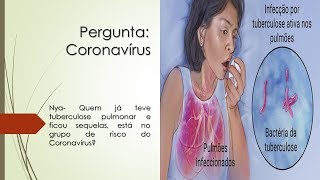
Sequelas de Tuberculose Pulmonar e o Grupo de Risco para Infecções Respiratórias
Uma dúvida frequente entre pacientes que já trataram a tuberculose pulmonar e permaneceram com sequelas é se essa condição os enquadra no grupo de risco para infecções virais graves, como aquelas causadas por vírus respiratórios. Para compreender essa questão, é fundamental avaliar a extensão e o tipo de alteração deixada pela doença no tecido pulmonar.
Nem toda sequela de tuberculose representa, por si só, um fator de maior vulnerabilidade. Existem casos em que o paciente apresenta apenas alterações cicatriciais leves, como pequenas áreas de fibrose pulmonar, que não comprometem de forma significativa a capacidade respiratória nem a dinâmica do órgão. Por outro lado, sequelas mais extensas podem alterar de maneira importante a função pulmonar.
Entre as complicações que exigem maior atenção médica estão:
- Bronquiectasias: Dilatações anormais dos brônquios que favorecem o acúmulo de secreções, aumentando a propensão a infecções secundárias e proliferação bacteriana.
- Perda de parênquima pulmonar: Redução significativa da área útil do pulmão comprometida com a captação e a troca de oxigênio, o que impacta diretamente a qualidade de vida e a reserva respiratória do paciente.
Dessa forma, a avaliação individualizada com um médico pneumologista é indispensável para determinar o real impacto das sequelas em sua capacidade respiratória. O especialista poderá analisar exames de imagem e testes funcionais para esclarecer se o seu quadro específico requer cuidados redobrados.
Além do acompanhamento regular, a imunização adequada desempenha um papel protetor fundamental para pacientes com histórico de doenças pulmonares. Manter o cartão de vacinação atualizado com imunizantes recomendados para a saúde respiratória — como a vacina contra a gripe (influenza) e as vacinas pneumocócicas — auxilia na prevenção de infecções bacterianas secundárias e complicações graves.
This content is strictly educational and informative in nature and should in no way replace consultation, diagnosis, and individualized evaluation with a specialist physician.
Development in Evidence-Based Medicine: Bronchial Inflammation Control and Lung Function (GINA)
According to global guidelines of Global Initiative for Asthma (GINA), a bronchial asthma It is a chronic inflammatory disease of the airways characterized by bronchial hyperreactivity and variable obstruction to expiratory airflow, objectively documented by Spirometry (pulmonary function test with bronchodilator test)The fundamental therapeutic pillar consists of the continuous control of eosinophilic/Th2 inflammation of the bronchial mucosa through... inhaled corticosteroids (alone or in combination with long-acting beta-2 agonist bronchodilators — LABA, such as formoterol or salmeterol), using proper inhalation technique or a valved spacer. The isolated and repetitive use of short-acting bronchodilators (such as salbutamol or fenoterol) without inhaled anti-inflammatory coverage is associated with a higher risk of severe exacerbations and bronchial remodeling.
💎 Diamond Plan — Safe immunization, even for those with a history of allergies. Speak with an Allergy and Immunology specialist via teleconsultation, from anywhere in Brazil. Schedule a teleconsultation →
Note: Subject to prior medical evaluation (in person or via telemetry/telemedicine). Immunotherapy uses allergen-specific vaccines, which requires a prescription from the attending physician and must be administered under direct medical supervision.
Safe Immunization, Immune Response, and Protection of the Allergic Patient
Vaccine Mechanisms, Excipients, and Assessment of Immune Competence
Preventive immunization represents one of the greatest achievements of medicine in reducing hospitalizations and serious infectious complications, especially in patients with chronic respiratory diseases (such as asthma and COPD), heart disease, high blood pressure, and diabetes. Patients allergic to aeroallergens, foods, or common medications do not have a general contraindication to vaccines; allergological attention focuses on the specific evaluation of rare cases of previous anaphylaxis to isolated components of the formula (such as polyethylene glycol, polysorbate, or specific protein traces), situations that now have safe assisted application protocols.
Integration between Vaccination Schedule, Allergy Tests and Baseline Monitoring
Individualized assessment by an allergist and immunologist correlates laboratory tests of cellular and humoral immunity with the patient's actual clinical history. Combining the allergy test well indicated for preventive monitoring — including allergy vaccine In cases of atopic dermatitis, and with immunostimulant vaccines when applicable, broad, safe protection based on scientific evidence is guaranteed.
Lower Airway Hyperreactivity and the Role of Inhalation Therapy
Objective monitoring through spirometry (pulmonary function test with bronchodilator test) is indispensable even during periods when the patient believes they are asymptomatic, as it detects silent obstructions in small airways. Modern inhaled corticosteroids act directly on the respiratory mucosa in doses measured in micrograms, offering high systemic safety, reducing severe exacerbations, and protecting respiratory capacity in the long term.
Clinical Safety Criteria and Warning Signs in Allergology
Early recognition of warning signs requiring priority medical reassessment is part of the health education of every patient and their family. Symptoms such as progressive dyspnea (difficulty breathing or speaking in complete sentences), refractory wheezing, sudden edema of the lips, tongue, or glottis, dizziness due to a drop in blood pressure, persistent fever associated with skin lesions or mucous membrane involvement require immediate emergency care, followed by a structured allergy investigation to prevent future recurrences.
Diamond Plan: Specialized Allergy Treatment Wherever You Are
Treating the cause of an allergy requires consistency — and consistency requires access. Diamond Plan It was designed for patients throughout Brazil who face the high cost of allergy vaccines and the difficulties of travel, offering specialized follow-up via telemedicine and easy access to immunotherapy treatment. Safe immunization, even for those with a history of allergies.
Why do patients across Brazil choose the Diamond Plan?
- Teleconsultation with a specialist In Allergy and Immunology, without queues and without long commutes — ideal for those who live far from large cities.
- easy access to Immunotherapy (including allergy vaccines and immunostimulants) — indicated for the treatment of allergic rhinitis, asthma, bronchitis, atopic dermatitis, insect/mosquito bite allergy (prurigo strophulus), recurrent candidiasis, and for increasing immunity in selected patients — capable of modifying the natural course of allergic disease, always through consultation and individualized prescription.
- A more accessible route For those facing the high cost of allergy vaccines, this plan offers support for continuity of treatment.
- Continuous monitoring based on clinical evolution, with adjustments to treatment throughout the entire therapeutic cycle.
- National coverage, backed by a consolidated physical network and a founding clinical team with over three decades of experience.
More than 30 years caring for people with allergies.
Founded and run by Dr. Marcello Bossois (CRM-RJ 52.73214-1) and by Dr. Patrícia Schlinkert (CRM/RJ 5274541-3)The Brazil Without Allergies Project adds... more than 30 years of history and more than 450,000 free services, with physical presence at Rio de Janeiro, São Paulo and Paraná, one mobile clinic bus that brings testing and consultations to communities with limited access to specialized care and a platform of telemedicine which connects patients from all states to the same standard of care.
START TODAY
Your expert consultation is just a click away.
I want to join the Diamond Plan.Schedule a teleconsultation
Official telemedicine environment: brasilsemalergia.online
Do you prefer to be served in person?
Our clinical units They conduct consultations, allergy tests, and immunotherapy follow-up with doctors in person:
- Rio de Janeiro: Realengo (West Zone), North Zone, Duke of Caxias, Xerém, New Iguaçu, Itaguaí, Niterói, Iguaba Grande and Saint Peter of the Village (Lakes Region).
- São Paulo: Campo Limpo (South Zone).
- Paraná: Curitiba.
Schedule your in-person appointment. Or check the mobile bus schedule through the customer service center on WhatsApp. (21) 99954-5632.
The indication for immunotherapy, and for any treatment, depends on an individual medical evaluation. This content is for informational purposes only and does not replace consultation with a specialist.
Note: Subject to prior medical evaluation (in person or via telemetry/telemedicine). Immunotherapy uses allergen-specific vaccines, which requires a prescription from the attending physician and must be administered under direct medical supervision.
Conclusion and Summary of Guidelines
In summary, the appropriate approach to Coronavirus This requires a clear understanding of the immunological mechanisms involved, precise etiological diagnosis, and individualized medical follow-up. Avoid self-medication and investigate the root cause of symptoms—relying on specialized resources and reliable guidance such as... rhinitis treatment When clinically relevant, it is the safest way to manage crises, prevent complications, and ensure sustainable quality of life.
Scientific references and authoritative sources
The guidelines on this page follow the guidelines and literature of leading international Allergy and Immunology institutions. For further information:


