


Tive Pneumonia — Consegui fazer teste rápido do Coronavírus e deu positivo — O que fazer?
In the realm of allergic and immune-mediated diseases, the topic Pneumonia It occupies a prominent position due to the frequency with which it impacts the daily well-being of children, adults, and the elderly. This publication was prepared with the purpose of fully elucidating the issue. "Tive Pneumonia — Consegui fazer teste rápido do Coronavírus e deu positivo — O que fazer?", offering a structured overview from pathophysiology to diagnostic investigation and the safe prevention of new crises.
✔ Medical content reviewed and validated by the founding clinical staff of the Brazil Without Allergies Project
Dr. Marcello Bossois (CRM-RJ 52.73214-1) · Dr. Patricia Schlinkert (CRM/RJ 5274541-3) — more than 30 years of history in Allergy and Immunology, with units in Rio de Janeiro, São Paulo and Paraná. Last reviewed: November 2026.
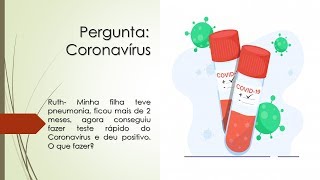
Orientações Médicas Diante do Diagnóstico Positivo para Coronavírus após Quadro de Pneumonia
O recebimento de um resultado positivo para o coronavírus em um paciente que apresentou quadro de pneumonia exige atenção redobrada, monitoramento clínico constante e adoção rigorosa de medidas de isolamento. Diante dessa situação, o primeiro passo fundamental é avaliar a idade do paciente e identificar possíveis fatores de risco para complicações, mantendo um acompanhamento médico próximo para assegurar a estabilidade do quadro de saúde.
Para uma avaliação médica detalhada e segura, é de extrema importância reunir e analisar todos os dados clínicos e exames complementares disponíveis. Entre os principais parâmetros que auxiliam o especialista na condução adequada do caso, destacam-se:
- Exames laboratoriais: Hemograma completo para verificar a presença de alterações como leucocitose, desvio à esquerda, plaquetopenia ou variações na contagem de eosinófilos; marcadores inflamatórios, como a Proteína C Reativa (PCR) e a velocidade de hemossedimentação (VHS), que indicam atividade infecciosa ou inflamatória.
- Exames de imagem: Radiografias ou tomografias de tórax que permitam identificar achados pulmonares característicos, a exemplo de opacidades em vidro polido.
- Monitoramento de sinais vitais: Aferição rigorosa da temperatura corporal e verificação periódica da saturação de oxigênio por meio de um oxímetro de pulso.
Medidas de Isolamento e Cuidados Essenciais
Confirmada a infecção por meio de testes diagnósticos, recomenda-se a manutenção de quarentena absoluta, evitando ao máximo o contato com outros familiares durante o período inicial de até 21 dias. O acompanhamento médico deve persistir ao longo de toda a evolução clínica para monitorar a resposta imunológica e a resolução dos sintomas respiratórios.
Mesmo após a recuperação clínica e o surgimento de anticorpos, é fundamental manter as medidas de prevenção — como o uso adequado de máscaras, a higienização frequente das mãos e o distanciamento social. A presença de anticorpos ou a negatividade em exames específicos não elimina totalmente a necessidade de cautela, uma vez que o conhecimento científico sobre a imunidade de longo prazo e as mutações virais ainda está em constante evolução.
Nota importante: Este conteúdo possui caráter estritamente educativo e informativo, não substituindo em hipótese alguma a consulta, o diagnóstico e a avaliação médica individualizada com um profissional especialista.
Developments in Evidence-Based Medicine: Vaccine Immunology and Allergen-Specific Immunotherapy
In Evidence-Based Medicine (WHO, EAACI and ASBAI), two complementary strategies for modulating the immune system are distinguished: (1) the preventive anti-infectious immunizing vaccines, which stimulate humoral (neutralizing IgG/IgA antibodies) and cellular (memory T lymphocytes) adaptive immunity against viral and bacterial pathogens; and (2) a Allergen-specific immunotherapy (allergy vaccines), the only treatment that modifies the natural history of IgE-mediated allergic diseases. The controlled and progressive administration of standardized allergenic extracts promotes an immunological shift from the Th2 to the Th1 profile, inducing the expansion of regulatory T lymphocytes (CD4)+CD25+FOXP3+) producers of IL-10 and TGF-β and stimulates the synthesis of IgG4 subclass blocking antibodies, thus sustainably reducing clinical hyper-reactivity and the need for symptomatic drugs.
💎 Diamond Plan — Safe immunization, even for those with a history of allergies. Speak with an Allergy and Immunology specialist via teleconsultation, from anywhere in Brazil. Schedule a teleconsultation →
Note: Subject to prior medical evaluation (in person or via telemetry/telemedicine). Immunotherapy uses allergen-specific vaccines, which requires a prescription from the attending physician and must be administered under direct medical supervision.
Safe Immunization, Immune Response, and Protection of the Allergic Patient
Vaccine Mechanisms, Excipients, and Assessment of Immune Competence
In assessing the competence of the immune system—whether in recurrent infections, laboratory alterations in immunoglobulins (IgG, IgA, IgM, IgE), or in people living with HIV under monitoring of CD4 T lymphocyte counts—a careful distinction is made between the use of inactivated/subunit vaccines (widely safe even in immunocompromised individuals) and live attenuated vaccines, whose indication depends on the degree of preservation of cellular immunity. Furthermore, patients undergoing allergy immunotherapy can maintain their vaccination schedule, respecting only small operational intervals as directed by the medical team.
Integration between Vaccination Schedule, Allergy Tests and Baseline Monitoring
Individualized assessment by an allergist and immunologist correlates laboratory tests of cellular and humoral immunity with the patient's actual clinical history. Combining the allergy test well indicated for preventive monitoring — including allergy vaccine In cases of atopic dermatitis, and with immunostimulant vaccines when applicable, broad, safe protection based on scientific evidence is guaranteed.
Epithelial Dysfunction, Skin Microbiome, and Delayed Sensitization
The skin acts as the first organ of immune defense in the human body. In atopic dermatitis, genetic alterations in structural proteins of the stratum corneum (such as filaggrin) and in the composition of ceramides cause transepidermal water loss, pronounced dryness, and facilitated entry of mites and aeroallergens. This microenvironment activates Th2 cytokines (especially IL-4, IL-13, and IL-31, directly linked to intense itching) and favors colonization by Staphylococcus aureus, whose superantigens perpetuate eczematous flare-ups.
Inflammation of the Respiratory Mucosa, House Mites, and Local Complications
Under the medical concept of a 'single airway', uncontrolled inflammation of the nasal cavities and paranasal sinuses directly impacts the ears (Eustachian tube dysfunction), eyes (rhinoconjunctivitis), sleep quality, and bronchi. In specific subgroups, such as Aspirin-Exacerbated Respiratory Disease (AERD), recurrent nasal polyposis, asthma, and intolerance to COX-1 inhibitor anti-inflammatory drugs are also present, requiring specialized diagnosis to restore the sense of smell and respiratory patency.
Impact on Quality of Life, Sleep, and Systemic Well-being
Beyond the direct physical manifestations, uncontrolled pneumonia-related conditions profoundly interfere with restorative sleep patterns, concentration at school and work, and emotional balance. Chronic stress, through neuroendocrine mediators and epithelial alarmins, reinforces the immune inflammatory response. Therefore, instituting a comprehensive approach to clinical and environmental rehabilitation restores daily autonomy and overall well-being to the individual.
Importance of Differential Diagnosis and Detailed Medical History
In the specialty of Allergy and Immunology, two patients with seemingly similar symptoms involving pneumonia may present completely distinct pathophysiological mechanisms. For this reason, a thorough clinical history—investigating the chronology of crises, home and work environment, family history of atopy, use of concomitant medications, and dietary habits—serves as an indispensable compass for correctly interpreting laboratory tests (such as total and specific IgE levels) and functional tests. A single laboratory result can never replace in-person clinical judgment or specialized telemedicine, preventing misdiagnosis and unnecessary treatments.
Environmental Prevention, Therapeutic Adherence, and Continuous Monitoring
Long-term success in managing allergic and immunological conditions depends directly on the alliance between targeted medical treatment and daily educational measures. Maintaining well-ventilated environments free from accumulated household dust, preserving the physiological hydration of mucous membranes and the skin barrier, strictly adhering to the schedules and technique for using prescribed preventive medications, and conducting periodic check-ups allow for the stabilization of subclinical inflammation before it progresses to acute exacerbations.
Clinical Safety Criteria and Warning Signs in Allergology
Early recognition of warning signs requiring priority medical reassessment is part of the health education of every patient and their family. Symptoms such as progressive dyspnea (difficulty breathing or speaking in complete sentences), refractory wheezing, sudden edema of the lips, tongue, or glottis, dizziness due to a drop in blood pressure, persistent fever associated with skin lesions or mucous membrane involvement require immediate emergency care, followed by a structured allergy investigation to prevent future recurrences.
Frequently Asked Questions in Clinical Practice
Immunological Reactions to Insect Bites and Prevention of Crises: In allergological practice, distinguishing between local inflammatory edema and a systemic allergic reaction is crucial to protecting the patient's life. In mosquito hypersensitivity, a mixed immune response occurs (immediate mediated by IgE and delayed cellular response by T lymphocytes), causing a single bite to reactivate old lesions throughout the body. In reactions to bees and wasps, symptoms distant from the sting site—such as generalized plaques, hoarseness, bronchospasm, or a drop in blood pressure—characterize anaphylaxis and require immediate intervention.
Mechanisms of Food Allergy, Accurate Diagnosis and Nutritional Management: In contemporary allergology, it is essential to differentiate the immunological reaction against food proteins—such as casein, alpha-lactalbumin, and beta-lactoglobulin in cow's milk, ovomucoid in eggs, or tropomyosin in crustaceans—from non-immune digestive intolerances, such as lactase enzyme deficiency. While intolerance causes abdominal distension, flatulence, and osmotic diarrhea restricted to the digestive tract, food allergy involves Th2 lymphocytes and IgE antibodies or eosinophilic cellular inflammation, and can cause acute urticaria, angioedema, bronchospasm, proctocolitis, or anaphylaxis within minutes of ingesting trace amounts.
Immunology of the Digestive Mucosa: Gut-Airway Axis and Differential Diagnosis: The balance between commensal microbiota and the digestive mucosa directly regulates systemic immunological tolerance. Proteins such as gliadin can modulate zonulin release in genetically susceptible individuals (carriers of HLA-DQ2 or HLA-DQ8 alleles in celiac disease), increasing intestinal permeability and perpetuating local and extraintestinal inflammatory cascades. Careful distinction between celiac autoimmunity, IgE-mediated wheat allergy, and FODMAP carbohydrate fermentation avoids inappropriate management.
Skin Barrier Health, Immune Inflammation, and Pruritus Control: The skin acts as the first organ of immune defense in the human body. In atopic dermatitis, genetic alterations in structural proteins of the stratum corneum (such as filaggrin) and in the composition of ceramides cause transepidermal water loss, pronounced dryness, and facilitated entry of mites and aeroallergens. This microenvironment activates Th2 cytokines (especially IL-4, IL-13, and IL-31, directly linked to intense itching) and favors colonization by Staphylococcus aureus, whose superantigens perpetuate eczematous flare-ups.
Diamond Plan: Specialized Allergy Treatment Wherever You Are
Living hundreds of miles from an allergist or having to interrupt treatment because of the price of vaccines shouldn't be anyone's fate. With the Diamond PlanBrazil Without Allergies brings the same high standard of care from its clinics to your home, with telemedicine consultations and a more accessible path to immunotherapy. Safe immunization, even for those with a history of allergies.
Why do patients across Brazil choose the Diamond Plan?
- Teleconsultation with a specialist In Allergy and Immunology, without queues and without long commutes — ideal for those who live far from large cities.
- easy access to Immunotherapy (including allergy vaccines and immunostimulants) — indicated for the treatment of allergic rhinitis, asthma, bronchitis, atopic dermatitis, insect/mosquito bite allergy (prurigo strophulus), recurrent candidiasis, and for increasing immunity in selected patients — capable of modifying the natural course of allergic disease, always through consultation and individualized prescription.
- A more accessible route For those facing the high cost of allergy vaccines, this plan offers support for continuity of treatment.
- Continuous monitoring based on clinical evolution, with adjustments to treatment throughout the entire therapeutic cycle.
- National coverage, backed by a consolidated physical network and a founding clinical team with over three decades of experience.
More than 30 years caring for people with allergies.
Founded and run by Dr. Marcello Bossois (CRM-RJ 52.73214-1) and by Dr. Patrícia Schlinkert (CRM/RJ 5274541-3)The Brazil Without Allergies Project adds... more than 30 years of history and more than 450,000 free services, with physical presence at Rio de Janeiro, São Paulo and Paraná, one mobile clinic bus that brings testing and consultations to communities with limited access to specialized care and a platform of telemedicine which connects patients from all states to the same standard of care.
START TODAY
Your expert consultation is just a click away.
I want to join the Diamond Plan.Schedule a teleconsultation
Official telemedicine environment: brasilsemalergia.online
Do you prefer to be served in person?
Our clinical units They conduct consultations, allergy tests, and immunotherapy follow-up with doctors in person:
- Rio de Janeiro: Realengo (West Zone), North Zone, Duke of Caxias, Xerém, New Iguaçu, Itaguaí, Niterói, Iguaba Grande and Saint Peter of the Village (Lakes Region).
- São Paulo: Campo Limpo (South Zone).
- Paraná: Curitiba.
Schedule your in-person appointment. Or check the mobile bus schedule through the customer service center on WhatsApp. (21) 99954-5632.
The indication for immunotherapy, and for any treatment, depends on an individual medical evaluation. This content is for informational purposes only and does not replace consultation with a specialist.
Note: Subject to prior medical evaluation (in person or via telemetry/telemedicine). Immunotherapy uses allergen-specific vaccines, which requires a prescription from the attending physician and must be administered under direct medical supervision.
Conclusion and Summary of Guidelines
It is concluded that the efficient management of issues related to Pneumonia It relies on the combination of high-quality scientific information, environmental prevention, and therapy tailored to each patient's profile. In the face of persistent or recurring symptoms, seek evaluation with an allergist and immunologist—integrating thorough diagnostic investigation and established treatment options. rhinitis treatment Whenever indicated — ensures clinical safety and long-lasting health protection.
Scientific references and authoritative sources
The guidelines on this page follow the guidelines and literature of leading international Allergy and Immunology institutions. For further information:


