


Como diferenciar angioedema da síndrome da veia cava superior?
In the realm of allergic and immune-mediated diseases, the topic Angioedema It occupies a prominent position due to the frequency with which it impacts the daily well-being of children, adults, and the elderly. This publication was prepared with the purpose of fully elucidating the issue. "Como diferenciar angioedema da síndrome da veia cava superior?", offering a structured overview from pathophysiology to diagnostic investigation and the safe prevention of new crises.
✔ Medical content reviewed and validated by the founding clinical staff of the Brazil Without Allergies Project
Dr. Marcello Bossois (CRM-RJ 52.73214-1) · Dr. Patricia Schlinkert (CRM/RJ 5274541-3) — more than 30 years of history in Allergy and Immunology, with units in Rio de Janeiro, São Paulo and Paraná. Last reviewed: November 2026.
Como Diferenciar Angioedema da Síndrome da Veia Cava Superior
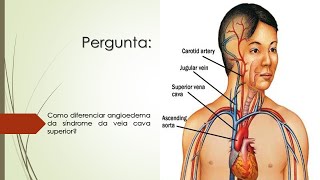
A diferenciação entre o angioedema e a síndrome da veia cava superior é uma questão clínica fundamental, visto que ambas as condições podem cursar com inchaço na região da face e do pescoço, gerando dúvidas diagnósticas. Para compreender a distinção, é preciso analisar os mecanismos fisiopatológicos subjacentes a cada uma dessas situações.
A síndrome da veia cava superior é um problema de natureza cardiovascular. Didaticamente, o coração é dividido em cavidades direitas e esquerdas. O átrio direito é a câmara responsável por receber o sangue proveniente da veia cava superior, encaminhando-o para o ventrículo direito, que por sua vez direciona o sangue aos pulmões para a oxigenação. Quando ocorre uma insuficiência no lado direito do coração ou uma compressão que dificulte o retorno venoso, o sangue se acumula na região superior do corpo. Esse represamento venoso provoca um edema que pode membrar um inchaço facial, mas que frequentemente vem acompanhado de sinais clínicos específicos, como o escurecimento da face (cianose) e falta de ar decorrente da congestão vascular.
Por outro lado, o angioedema configura uma condição distinta, caracterizada por um inchaço não inflamatório e profundo da derme e dos tecidos subcutâneos ou submucosos. O angioedema pode se manifestar de diferentes formas:
- Angioedema alérgico: Geralmente mediado por anticorpos da classe IgE, envolvendo a ativação de mastócitos e respostas imunológicas do tipo T2.
- Angioedema não alérgico: Relacionado a outros mecanismos fisiopatológicos que não envolvem a resposta alérgica clássica.
- Angioedema hereditário ou adquirido: Condições específicas associadas a deficiências ou disfunções de proteínas reguladoras, como o inibidor de C1 esterase.
Portanto, enquanto a síndrome da veia cava superior decorre de alterações hemodinâmicas e de competência na contração ou fluxo cardíaco que geram congestão venosa na parte superior do corpo, o angioedema está ligado a cascatas vasoativas, mediadores inflamatórios ou respostas imunológicas específicas. A avaliação médica detalhada é indispensável para investigar a presença de qualquer incompetência vascular ou cardíaca e realizar o diagnóstico correto.
Nota importante: Este conteúdo possui caráter estritamente educativo e informativo, não substituindo em hipótese alguma a consulta, o diagnóstico e a avaliação individualizada com um médico especialista.
Developments in Evidence-Based Medicine: Pathophysiology and Staged Management of Urticaria and Angioedema
In accordance with the international guideline EAACI/GA²LEN/EuroGuiDerm/APAAACI for the management of urticaria and angioedemaDegranulation of cutaneous mast cells with the release of histamine, platelet-activating factor (PAF), and cytokines promotes vasodilation, dermal plasma extravasation (fleeting pruritic papules/hives or submucosal/subcutaneous angioedema), and cell recruitment. To distinguish histaminergic angioedema from bradykinin-mediated angioedema (associated with C1-esterase inhibitor deficiency/dysfunction — C1-INH — or the use of ACE inhibitors), the presence of hives, the response to antihistamines, and the C4 and C1-INH levels are evaluated. First-line pharmacological treatment of chronic urticaria is based on non-sedating second-generation H1 antihistamines in standard doses, which can be increased up to four times the usual dose under medical prescription before the indication of anti-IgE immunobiological therapy.
💎 Diamond Plan — Peaceful skin, free from constant itching and sleepless flare-ups. Speak with an Allergy and Immunology specialist via teleconsultation, from anywhere in Brazil. Schedule a teleconsultation →
Note: Subject to prior medical evaluation (in person or via telemetry/telemedicine). Immunotherapy uses allergen-specific vaccines, which requires a prescription from the attending physician and must be administered under direct medical supervision.
Pathophysiology of Urticaria and Angioedema: Safe Diagnosis and Management
Mast Cell Activation, Histamine, and the Bradykinin Pathway
When isolated recurrent angioedema occurs without surrounding pruritic plaques, immunological reasoning must distinguish histaminergic conditions from those mediated by bradykinin—including hereditary or acquired angioedema due to functional or quantitative deficiency of C1-esterase inhibitor (C1-INH) and reactions induced by angiotensin-converting enzyme (ACE) inhibitor antihypertensive drugs. This differentiation is vital because bradykinin-related angioedema does not respond to conventional antihistamines or corticosteroids.
Therapeutic Escalation without Overuse of Corticosteroids
Identifying aggravating cofactors—especially the use of nonsteroidal anti-inflammatory drugs (NSAIDs), acute stress, and physical stimuli—is part of the specialized consultation. Through the allergy test well-indicated and requiring continuous monitoring aimed at stabilizing mast cells and, in patients with atopic respiratory comorbidities, at allergy vaccineComplete control of symptoms is achieved while preserving overall health.
Lower Airway Hyperreactivity and the Role of Inhalation Therapy
Bronchial asthma and allergic bronchitis are chronic inflammatory diseases of the lower airways, characterized by bronchial hyperreactivity, mucosal edema, mucus hypersecretion, and variable obstruction to expiratory airflow. When eosinophilic or allergic inflammation (type 2) remains uncontrolled over the years—or when the patient uses only short-term bronchodilators without treating the underlying inflammation—thickening of the basement membrane and hypertrophy of the bronchial smooth muscle occur, a process known as bronchial remodeling.
Impact on Quality of Life, Sleep, and Systemic Well-being
Além das manifestações físicas diretas, quadros não controlados ligados a Angioedema interferem profundamente na arquitetura do sono reparador, na capacidade de concentração escolar e profissional e no equilíbrio emocional. O estresse crônico, por meio de mediadores neuroendócrinos e alarminas epiteliais, retroalimenta a resposta inflamatória imunitária. Dessa forma, instituir uma abordagem integral de reabilitação clínica e ambiental restaura a autonomia diária e o bem-estar global do indivíduo.
Diamond Plan: Specialized Allergy Treatment Wherever You Are
Treating the cause of an allergy requires consistency — and consistency requires access. Diamond Plan It was designed for patients throughout Brazil who face the high cost of allergy vaccines and the difficulties of travel, offering specialized follow-up through telemedicine and easy access to immunotherapy treatment. For peaceful skin, free from constant itching and sleep-depriving flare-ups.
Why do patients across Brazil choose the Diamond Plan?
- Teleconsultation with a specialist In Allergy and Immunology, without queues and without long commutes — ideal for those who live far from large cities.
- easy access to Immunotherapy (including allergy vaccines and immunostimulants) — indicated for the treatment of allergic rhinitis, asthma, bronchitis, atopic dermatitis, insect/mosquito bite allergy (prurigo strophulus), recurrent candidiasis, and for increasing immunity in selected patients — capable of modifying the natural course of allergic disease, always through consultation and individualized prescription.
- A more accessible route For those facing the high cost of allergy vaccines, this plan offers support for continuity of treatment.
- Continuous monitoring based on clinical evolution, with adjustments to treatment throughout the entire therapeutic cycle.
- National coverage, backed by a consolidated physical network and a founding clinical team with over three decades of experience.
More than 30 years caring for people with allergies.
Founded and run by Dr. Marcello Bossois (CRM-RJ 52.73214-1) and by Dr. Patrícia Schlinkert (CRM/RJ 5274541-3)The Brazil Without Allergies Project adds... more than 30 years of history and more than 450,000 free services, with physical presence at Rio de Janeiro, São Paulo and Paraná, one mobile clinic bus that brings testing and consultations to communities with limited access to specialized care and a platform of telemedicine which connects patients from all states to the same standard of care.
START TODAY
Your expert consultation is just a click away.
I want to join the Diamond Plan.Schedule a teleconsultation
Official telemedicine environment: brasilsemalergia.online
Do you prefer to be served in person?
Our clinical units They conduct consultations, allergy tests, and immunotherapy follow-up with doctors in person:
- Rio de Janeiro: Realengo (West Zone), North Zone, Duke of Caxias, Xerém, New Iguaçu, Itaguaí, Niterói, Iguaba Grande and Saint Peter of the Village (Lakes Region).
- São Paulo: Campo Limpo (South Zone).
- Paraná: Curitiba.
Schedule your in-person appointment. Or check the mobile bus schedule through the customer service center on WhatsApp. (21) 99954-5632.
The indication for immunotherapy, and for any treatment, depends on an individual medical evaluation. This content is for informational purposes only and does not replace consultation with a specialist.
Note: Subject to prior medical evaluation (in person or via telemetry/telemedicine). Immunotherapy uses allergen-specific vaccines, which requires a prescription from the attending physician and must be administered under direct medical supervision.
Conclusion and Summary of Guidelines
It is concluded that the efficient management of issues related to Angioedema It relies on the combination of high-quality scientific information, environmental prevention, and therapy tailored to each patient's profile. In the face of persistent or recurring symptoms, seek evaluation with an allergist and immunologist—integrating thorough diagnostic investigation and established treatment options. rhinitis treatment Whenever indicated — ensures clinical safety and long-lasting health protection.
Scientific references and authoritative sources
The guidelines on this page follow the guidelines and literature of leading international Allergy and Immunology institutions. For further information:


