


Vacina Covid-19 — Alérgicos podem tomar a Vacina do Covid-19?
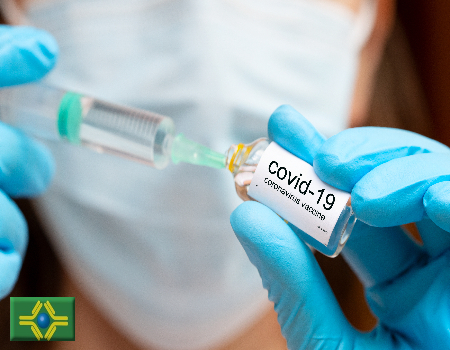
The manifestations associated with Vacina Covid-19 These issues raise important clinical questions and require specialized guidance to avoid the risks of self-medication or unnecessary restrictions. When addressing the topic "Vacina Covid-19 — Alérgicos podem tomar a Vacina do Covid-19?"This educational guide brings together the practical knowledge of the medical team from the Brazil Without Allergies Project in order to clarify the triggering factors, the most accurate diagnostic tests, and the modern therapeutic strategies currently available.
✔ Medical and scientific content reviewed and validated. by the founding clinical staff of the Brazil Without Allergies Project
Dr. Marcello Bossois (CRM-RJ 52.73214-1) · Dr. Patricia Schlinkert (CRM/RJ 5274541-3) — more than 30 years of history in Allergy and Clinical Immunology, with units in Rio de Janeiro, São Paulo and Paraná. Last reviewed: November 2026.

Complementary Audiovisual Content: Click here to watch the full explanatory video on the official Brasil Sem Alergia YouTube channel..
Pessoas alérgicas podem tomar a vacina contra a COVID-19?
Uma das grandes dúvidas que chegam com frequência aos consultórios médicos diz respeito à segurança da imunização contra a COVID-19 em pacientes com histórico de alergias. O questionamento ganhou força devido ao surgimento de reações adversas relatadas após a aplicação dos imunizantes, em especial daqueles fabricados com a tecnologia de RNA mensageiro. É fundamental compreender que essas manifestações indesejadas costumam ser imprevisíveis, não havendo como o médico especialista prever com exatidão se um indivíduo desenvolverá ou não determinado sintoma adverso à vacina.
Boa parte das reações adversas atribuídas a medicamentos e vacinas não constitui, na verdade, um processo alérgico verdadeiro. Muitas dessas respostas do organismo decorrem de mecanismos bioquímicos — como alterações no metabolismo do ácido araquidônico — ou de ações diretas sobre estruturas e receptores celulares que provocam processos inflamatórios, vermelhidão e lesões cutâneas em alto relevo, sem a participação de anticorpos específicos da alergia. Em termos práticos, esses eventos funcionam como efeitos tóxicos diretos ou irritativos, e não como uma hipersensibilidade imunológica clássica.
Dessa forma, a realização prévia de testes de provocação para avaliar vacinas ou medicamentos não é uma prática recomendada de rotina. Esse tipo de procedimento exige uma justificativa clínica muito rigorosa, sendo reservado exclusivamente para pacientes com um histórico clínico extremamente exuberante, como episódios prévios de anafilaxia grave ao entrarem em contato com determinadas substâncias. Mesmo nesses casos raros, o teste de provocação só pode ser executado em ambientes hospitalares altamente estruturados e preparados para o atendimento de emergência, dispondo de suporte de ressuscitação cardiopulmonar e unidades de terapia intensiva.
Unidades de atendimento ambulatorial especializado, a exemplo das clínicas do projeto Brasil Sem Alergia, reconhecem com clareza os seus limites operacionais e de suporte intensivo de emergência. Embora o médico especialista consiga resolver a ampla maioria dos casos no âmbito ambulatorial, situações de alta complexidade demandam o devido encaminhamento para centros de referência hospitalares capazes de conduzir investigações detalhadas com segurança absoluta.
Nota explicativa: Este conteúdo possui caráter estritamente educativo e informativo, não substituindo em hipótese alguma a consulta, o diagnóstico e a avaliação individualizada com um médico especialista em Alergia e Imunologia.
Developments in Evidence-Based Medicine: Differential Diagnosis between Food Allergy and Intolerances
The international guidelines on Food Allergy and Gastroenterology (EAACI/ASBAI) emphasize the precise pathophysiological distinction between immune-mediated food allergy — directed against specific protein fractions in food (such as casein, alpha-lactalbumin, and beta-lactoglobulin in cow's milk protein allergy; ovomucoid in eggs; or tropomyosin in crustaceans), which may be IgE-mediated (risk of immediate anaphylaxis), non-IgE-mediated, or mixed (as in eosinophilic esophagitis and allergic proctocolitis) — and enzymatic or fermentative food intolerances (such as hypolactasia/lactose intolerance and visceral hypersensitivity to fermentable carbohydrates FODMAPs), which do not involve an immune response or anaphylactic risk. The gold standard diagnosis relies on clinical history, specific IgE for molecular components (Component-Resolved Diagnostics), skin tests and, when indicated, oral provocation test (OPT) supervised, avoiding unnecessary restrictive diets.
Safe Immunization, Immune Response, and Protection of the Allergic Patient
Vaccine Mechanisms, Excipients, and Assessment of Immune Competence
In assessing the competence of the immune system—whether in recurrent infections, laboratory alterations in immunoglobulins (IgG, IgA, IgM, IgE), or in people living with HIV under monitoring of CD4 T lymphocyte counts—a careful distinction is made between the use of inactivated/subunit vaccines (widely safe even in immunocompromised individuals) and live attenuated vaccines, whose indication depends on the degree of preservation of cellular immunity. Furthermore, patients undergoing allergy immunotherapy can maintain their vaccination schedule, respecting only small operational intervals as directed by the medical team.
Integration between Vaccination Schedule, Allergy Tests and Baseline Monitoring
Maintaining a controlled respiratory or immunological disease enhances the mucosal defense against seasonal viruses and enveloped bacteria. In case of doubt about the reaction history, the allergy test Specific information regarding excipients or associated allergens provides complete peace of mind before immunization, whereas continued use of the product is not recommended. allergy vaccine It preserves the immune system's balance throughout all seasons.
Epithelial Dysfunction, Skin Microbiome, and Delayed Sensitization
The skin acts as the first organ of immune defense in the human body. In atopic dermatitis, genetic alterations in structural proteins of the stratum corneum (such as filaggrin) and in the composition of ceramides cause transepidermal water loss, pronounced dryness, and facilitated entry of mites and aeroallergens. This microenvironment activates Th2 cytokines (especially IL-4, IL-13, and IL-31, directly linked to intense itching) and favors colonization by Staphylococcus aureus, whose superantigens perpetuate eczematous flare-ups.
Immediate Reactions, Delayed Drug Reactions, and Risks of Self-Medication
Another critical pharmacovigilance point concerns the indiscriminate use of long-acting oral or injectable systemic corticosteroids (such as intramuscular betamethasone combinations). Although they provide apparent rapid relief, repeated applications suppress the hypothalamic-pituitary-adrenal axis, raise blood pressure and blood glucose, demineralize bone mass, weaken immunity against infections, and can cause local neuropathic pain when improperly applied to the gluteal region.
Environmental Prevention, Therapeutic Adherence, and Continuous Monitoring
Long-term success in managing allergic and immunological conditions depends directly on the alliance between targeted medical treatment and daily educational measures. Maintaining well-ventilated environments free from accumulated household dust, preserving the physiological hydration of mucous membranes and the skin barrier, strictly adhering to the schedules and technique for using prescribed preventive medications, and conducting periodic check-ups allow for the stabilization of subclinical inflammation before it progresses to acute exacerbations.
Clinical Safety Criteria and Warning Signs in Allergology
Early recognition of warning signs requiring priority medical reassessment is part of the health education of every patient and their family. Symptoms such as progressive dyspnea (difficulty breathing or speaking in complete sentences), refractory wheezing, sudden edema of the lips, tongue, or glottis, dizziness due to a drop in blood pressure, persistent fever associated with skin lesions or mucous membrane involvement require immediate emergency care, followed by a structured allergy investigation to prevent future recurrences.
Conclusion and Summary of Guidelines
It is concluded that the efficient management of issues related to Vacina Covid-19 It relies on the combination of high-quality scientific information, environmental prevention, and therapy tailored to each patient's profile. In the face of persistent or recurring symptoms, seek evaluation with an allergist and immunologist—integrating thorough diagnostic investigation and established treatment options. rhinitis treatment Whenever indicated — ensures clinical safety and long-lasting health protection.
Scientific references and institutional guidelines
The educational guidelines on this portal follow the clinical consensus of the leading medical societies of Allergy and Immunology:


