


O que é, e como surgiu o Projeto Brasil Sem Alergia?
To clearly understand the clinical aspects involved in O que é, e como surgiu o Projeto Brasil Sem This is an essential step for those seeking diagnostic certainty, lasting symptom relief, and prevention of complications. In the daily practice of Allergology and Clinical Immunology, questions related to... "O que é, e como surgiu o Projeto Brasil Sem Alergia?" Allergy-free conditions are common among patients and their families. The goal of this page in the Brazil Allergy-Free Encyclopedia is to present a complete, accessible, and evidence-based medical analysis, detailing causes, immunological mechanisms, and safe practices.
✔ Medical content reviewed and validated by the founding clinical staff of the Brazil Without Allergies Project
Dr. Marcello Bossois (CRM-RJ 52.73214-1) · Dr. Patricia Schlinkert (CRM/RJ 5274541-3) — more than 30 years of history in Allergy and Immunology, with units in Rio de Janeiro, São Paulo and Paraná. Last reviewed: November 2026.
Conheça a Origem e a Missão do Projeto Brasil Sem Alergia
As doenças alérgicas representam um desafio significativo para a saúde pública, impactando diretamente a qualidade de vida de milhões de pessoas. Mudanças climáticas, oscilações bruscas de temperatura e a exposição a diversos fatores ambientais frequentemente desencadeiam crises respiratórias e cutâneas, evidenciando a necessidade de um suporte médico especializado, humanizado e acessível à população.
THE Brazil Without Allergies Project nasceu da vivência pessoal e profissional do Dr. Marcello Bossois e da Dra. Patrícia Angélica. A identificação pessoal com as manifestações alérgicas desde a infância e a formação acadêmica dedicada à alergia e imunologia impulsionaram os fundadores a buscar soluções efetivas para além dos atendimentos de emergência convencionais. O projeto teve suas origens em iniciativas de atendimento voluntário em parceria com instituições de assistência social e com a Cruz Vermelha Brasileira, inicialmente prestando suporte a comunidades com alta demanda reprimida por assistência médica qualificada na Baixada Fluminense.
A Importância da Abordagem Especializada e da Imunoterapia
Enquanto os medicamentos tradicionais e antialérgicos desempenham um papel fundamental no alívio imediato dos sintomas, o tratamento de longo prazo exige metodologias capazes de modificar a evolução natural da doença alérgica. Nesse contexto, o Projeto Brasil Sem Alergia fundamenta sua atuação em pilares diagnósticos e terapêuticos essenciais:
- Testes Alérgicos: Fundamentais para identificar com precisão os agentes causadores das reações de hipersensibilidade.
- Imunoterapia Específica (Vacinas para Alergia): Considerada a única abordagem capaz de ensinar o sistema imunológico a tolerar os alérgenos, reduzindo progressivamente a intensidade e a frequência das crises.
- Provas de Função Pulmonar: Avaliações essenciais para o monitoramento da capacidade respiratória em pacientes com condições como a asma.
Atualmente, o Projeto Brasil Sem Alergia expandiu sua atuação para além do estado do Rio de Janeiro, contando com múltiplas unidades fixas em funcionamento e uma estrutura itinerante equipada para realizar consultas, exames e procedimentos validados pelos órgãos de vigilância sanitária. Esta iniciativa reflete o compromisso contínuo com a democratização do acesso à saúde especializada em Alergia e Imunologia.
Nota importante: Este conteúdo possui caráter exclusivamente educativo e informativo, não substituindo em hipótese alguma a consulta, o diagnóstico e o acompanhamento médico individualizado com um especialista.
Developments in Evidence-Based Medicine: The Unified Airway Concept (ARIA/EPOS)
The international ARIA consensuses (Allergic Rhinitis and its Impact on Asthma) and EPOS (European Position Paper on Rhinosinusitis and Nasal Polyps) consolidate the pathophysiological concept of single (unified) air routeThe nasal mucosa, paranasal sinuses, and tracheobronchial tree share the same ciliated pseudostratified respiratory epithelium and the same immunological mechanisms mediated by IgE, mast cells, and eosinophils. Persistent edema of the sinus drainage ostia in uncontrolled allergic rhinitis predisposes to mucociliary stasis, post-nasal drip, recurrent rhinosinusitis, and bronchial hyperreactivity. Evidence-based management integrates nasal hygiene with isotonic/hypertonic saline solution, topical intranasal corticosteroids, environmental control, and... allergen-specific immunotherapy to induce lasting immune tolerance.
💎 Diamond Plan — Well-controlled asthma shouldn't require frequent trips to the emergency room. Talk to an Allergy and Immunology specialist via teleconsultation, from anywhere in Brazil. Schedule a teleconsultation →
Note: Subject to prior medical evaluation (in person or via telemetry/telemedicine). Immunotherapy uses allergen-specific vaccines, which requires a prescription from the attending physician and must be administered under direct medical supervision.
Pathophysiology of Urticaria and Angioedema: Safe Diagnosis and Management
Mast Cell Activation, Histamine, and the Bradykinin Pathway
Urticaria is characterized by the sudden appearance of hives (intensely itchy, erythematous and edematous papules that are fleeting and disappear in less than 24 hours in the same spot without leaving a scar), and may be accompanied by angioedema in the deeper layers of the dermis and submucosa. In acute cases (lasting less than six weeks), viral infections, foods, and medications are among the classic triggers; while in chronic spontaneous urticaria or induced urticaria (dermographic, cholinergic due to sweat/heat, cold, or delayed pressure), autoimmune mechanisms or mast cell hyperreactivity play a central role.
Therapeutic Escalation without Overuse of Corticosteroids
As diretrizes internacionais preconizam os anti-histamínicos H1 de segunda geração (não sedativos) em doses otimizadas sob supervisão médica como primeira linha, reservando anticorpos monoclonais anti-IgE (como o omalizumabe) para casos crônicos refratários e evitando ciclos repetidos de corticoides sistêmicos que causam efeito rebote. A investigação com allergy test e avaliação especializada de pele permite excluir gatilhos ocultos e alinhar, quando há atopia coexistente, estratégias como a allergy vaccine.
Inflammation of the Respiratory Mucosa, House Mites, and Local Complications
Under the medical concept of a 'single airway', uncontrolled inflammation of the nasal cavities and paranasal sinuses directly impacts the ears (Eustachian tube dysfunction), eyes (rhinoconjunctivitis), sleep quality, and bronchi. In specific subgroups, such as Aspirin-Exacerbated Respiratory Disease (AERD), recurrent nasal polyposis, asthma, and intolerance to COX-1 inhibitor anti-inflammatory drugs are also present, requiring specialized diagnosis to restore the sense of smell and respiratory patency.
Vaccine Mechanisms, Excipients, and Assessment of Immune Competence
Preventive immunization represents one of the greatest achievements of medicine in reducing hospitalizations and serious infectious complications, especially in patients with chronic respiratory diseases (such as asthma and COPD), heart disease, high blood pressure, and diabetes. Patients allergic to aeroallergens, foods, or common medications do not have a general contraindication to vaccines; allergological attention focuses on the specific evaluation of rare cases of previous anaphylaxis to isolated components of the formula (such as polyethylene glycol, polysorbate, or specific protein traces), situations that now have safe assisted application protocols.
Importance of Differential Diagnosis and Detailed Medical History
Na especialidade de Alergia e Imunologia, dois pacientes com sintomas aparentemente semelhantes envolvendo O que é, e como surgiu o Projeto Brasil Sem podem apresentar mecanismos fisiopatológicos completamente distintos. Por essa razão, a história clínica minuciosa — investigando cronologia das crises, ambiente domiciliar e profissional, histórico familiar de atopia, uso de fármacos concomitantes e hábitos alimentares — funciona como bússola indispensável para interpretar corretamente exames laboratoriais (como dosagem de IgE total e específica) e provas funcionais. Um resultado laboratorial isolado jamais substitui o julgamento clínico presencial ou por telemedicina especializada, prevenindo diagnósticos equivocados e tratamentos desnecessários.
Environmental Prevention, Therapeutic Adherence, and Continuous Monitoring
Long-term success in managing allergic and immunological conditions depends directly on the alliance between targeted medical treatment and daily educational measures. Maintaining well-ventilated environments free from accumulated household dust, preserving the physiological hydration of mucous membranes and the skin barrier, strictly adhering to the schedules and technique for using prescribed preventive medications, and conducting periodic check-ups allow for the stabilization of subclinical inflammation before it progresses to acute exacerbations.
Clinical Safety Criteria and Warning Signs in Allergology
Early recognition of warning signs requiring priority medical reassessment is part of the health education of every patient and their family. Symptoms such as progressive dyspnea (difficulty breathing or speaking in complete sentences), refractory wheezing, sudden edema of the lips, tongue, or glottis, dizziness due to a drop in blood pressure, persistent fever associated with skin lesions or mucous membrane involvement require immediate emergency care, followed by a structured allergy investigation to prevent future recurrences.
Impact on Quality of Life, Sleep, and Systemic Well-being
Além das manifestações físicas diretas, quadros não controlados ligados a O que é, e como surgiu o Projeto Brasil Sem interferem profundamente na arquitetura do sono reparador, na capacidade de concentração escolar e profissional e no equilíbrio emocional. O estresse crônico, por meio de mediadores neuroendócrinos e alarminas epiteliais, retroalimenta a resposta inflamatória imunitária. Dessa forma, instituir uma abordagem integral de reabilitação clínica e ambiental restaura a autonomia diária e o bem-estar global do indivíduo.
Frequently Asked Questions in Clinical Practice
Immunological Reactions to Insect Bites and Prevention of Crises: Reactions triggered by arthropods are clinically divided between hypersensitivity to the saliva of hematophagous insects (such as mosquitoes, black flies, and fleas, which cause papular urticaria in childhood) and systemic allergy to the venom of hymenoptera (bees, wasps, and fire ants). While salivary antigens usually generate persistent pruritic papules and a risk of secondary bacterial infection from scratching, venom injected by a stinger can trigger massive mast cell degranulation mediated by IgE antibodies, requiring evaluation of baseline serum tryptase and an emergency action plan.
Mechanisms of Food Allergy, Accurate Diagnosis and Nutritional Management: The immune system associated with the gastrointestinal mucosa normally functions by maintaining oral tolerance to thousands of dietary proteins. When this immune barrier is broken—influenced by genetic predisposition, dysbiosis of the intestinal microbiota, or immaturity of secretory IgA in childhood—intact protein fractions sensitize mast cells and basophils. Therefore, a single positive blood test reflects only biological sensitization and should always be correlated with the clinical history and, when necessary, with a supervised oral food challenge in a medical setting.
Immunology of the Digestive Mucosa: Gut-Airway Axis and Differential Diagnosis: Immune-mediated disorders of the gastrointestinal tract—including eosinophilic esophagitis, celiac disease, and non-celiac gluten sensitivity—share alterations in the integrity of the tight junctions of the digestive epithelium. In eosinophilic esophagitis, frequently associated with rhinitis, asthma, and atopic dermatitis, eosinophil infiltration of the esophageal wall causes dysphagia, food impaction, and symptoms that mimic gastroesophageal reflux refractory to proton pump inhibitors.
Skin Barrier Health, Immune Inflammation, and Pruritus Control: In eczematous dermatitis and cases of chronic pruritus, differentiating constitutional atopy from allergic contact dermatitis (a type IV delayed hypersensitivity reaction mediated by T lymphocytes sensitized to metals, cosmetic preservatives, fragrances, resins, or rubber) is essential. Repeated exposure to the sensitizing agent maintains active skin inflammation even with the use of anti-inflammatory ointments, requiring precise identification of the triggering factor.
Immunology of Cutaneous Autoimmune Diseases and Integrated Care: Unlike purely IgE-mediated dermatoses, psoriasis and related autoimmune conditions involve the activation of plasmacytoid dendritic cells, interferon-gamma production, and sustained stimulation of the interleukin-23/interleukin-17 (IL-23/IL-17) and TNF-alpha axis. This signaling accelerates the epidermal keratinocyte renewal cycle several times over, resulting in well-defined erythematous-desquamative plaques and, in some patients, associated joint inflammation. Infections, mechanical or chemical trauma to the skin (Koebner phenomenon), dry winter weather, and emotional stress act as important amplifiers of the inflammatory response.
Controle da Inflamação Brônquica, Função Pulmonar e Prevenção do Remodelamento: Bronchial asthma and allergic bronchitis are chronic inflammatory diseases of the lower airways, characterized by bronchial hyperreactivity, mucosal edema, mucus hypersecretion, and variable obstruction to expiratory airflow. When eosinophilic or allergic inflammation (type 2) remains uncontrolled over the years—or when the patient uses only short-term bronchodilators without treating the underlying inflammation—thickening of the basement membrane and hypertrophy of the bronchial smooth muscle occur, a process known as bronchial remodeling.
Via Aérea Unificada: Manejo da Rinite, Rinossinusite e Hipersensibilidade Nasal: Under the medical concept of a 'single airway', uncontrolled inflammation of the nasal cavities and paranasal sinuses directly impacts the ears (Eustachian tube dysfunction), eyes (rhinoconjunctivitis), sleep quality, and bronchi. In specific subgroups, such as Aspirin-Exacerbated Respiratory Disease (AERD), recurrent nasal polyposis, asthma, and intolerance to COX-1 inhibitor anti-inflammatory drugs are also present, requiring specialized diagnosis to restore the sense of smell and respiratory patency.
Diamond Plan: Specialized Allergy Treatment Wherever You Are
Treating the cause of an allergy requires consistency — and consistency requires access. Diamond Plan foi desenhado para pacientes de todo o Brasil que enfrentam o alto custo das vacinas alérgicas e as dificuldades de deslocamento, oferecendo acompanhamento especializado por telemedicina e acesso facilitado ao tratamento imunoterápico. Asma bem controlada não deveria depender de idas frequentes ao pronto-socorro.
Why do patients across Brazil choose the Diamond Plan?
- Teleconsultation with a specialist In Allergy and Immunology, without queues and without long commutes — ideal for those who live far from large cities.
- easy access to Immunotherapy (including allergy vaccines and immunostimulants) — indicated for the treatment of allergic rhinitis, asthma, bronchitis, atopic dermatitis, insect/mosquito bite allergy (prurigo strophulus), recurrent candidiasis, and for increasing immunity in selected patients — capable of modifying the natural course of allergic disease, always through consultation and individualized prescription.
- A more accessible route For those facing the high cost of allergy vaccines, this plan offers support for continuity of treatment.
- Continuous monitoring based on clinical evolution, with adjustments to treatment throughout the entire therapeutic cycle.
- National coverage, backed by a consolidated physical network and a founding clinical team with over three decades of experience.
More than 30 years caring for people with allergies.
Founded and run by Dr. Marcello Bossois (CRM-RJ 52.73214-1) and by Dr. Patrícia Schlinkert (CRM/RJ 5274541-3)The Brazil Without Allergies Project adds... more than 30 years of history and more than 450,000 free services, with physical presence at Rio de Janeiro, São Paulo and Paraná, one mobile clinic bus that brings testing and consultations to communities with limited access to specialized care and a platform of telemedicine which connects patients from all states to the same standard of care.
START TODAY
Your expert consultation is just a click away.
I want to join the Diamond Plan.Schedule a teleconsultation
Official telemedicine environment: brasilsemalergia.online
Do you prefer to be served in person?
Our clinical units They conduct consultations, allergy tests, and immunotherapy follow-up with doctors in person:
- Rio de Janeiro: Realengo (West Zone), North Zone, Duke of Caxias, Xerém, New Iguaçu, Itaguaí, Niterói, Iguaba Grande and Saint Peter of the Village (Lakes Region).
- São Paulo: Campo Limpo (South Zone).
- Paraná: Curitiba.
Schedule your in-person appointment. Or check the mobile bus schedule through the customer service center on WhatsApp. (21) 99954-5632.
The indication for immunotherapy, and for any treatment, depends on an individual medical evaluation. This content is for informational purposes only and does not replace consultation with a specialist.
Note: Subject to prior medical evaluation (in person or via telemetry/telemedicine). Immunotherapy uses allergen-specific vaccines, which requires a prescription from the attending physician and must be administered under direct medical supervision.
Conclusion and Summary of Guidelines
In summary, the appropriate approach to O que é, e como surgiu o Projeto Brasil Sem This requires a clear understanding of the immunological mechanisms involved, precise etiological diagnosis, and individualized medical follow-up. Avoid self-medication and investigate the root cause of symptoms—relying on specialized resources and reliable guidance such as... rhinitis treatment When clinically relevant, it is the safest way to manage crises, prevent complications, and ensure sustainable quality of life.
Scientific references and authoritative sources
The guidelines on this page follow the guidelines and literature of leading international Allergy and Immunology institutions. For further information:



 The Brazil Without Allergies Project consolidated its trajectory of care and social inclusion in 2007, when allergists and immunologists Dr. Marcello Bossois and Dr. Patrícia Schlinkert began volunteer work in Duque de Caxias, Rio de Janeiro, to assist the population affected by soot from the Reduc Refinery. What began as an emergency and temporary action became a permanent project of public utility, recognized by Municipal Law 3393 of 2024. With more than 700,000 consultations carried out, the project is now expanding its reach with the inauguration of a new unit in São Paulo, in the Campo Limpo neighborhood, in the southern part of the capital, reaffirming its commitment to bringing health to those who need it most. Through an initiative that complements the Brazilian Unified Health System (SUS), the "Brazil Without Allergies" program offers free allergy consultations and allergy testing to identify conditions such as rhinitis, asthma, bronchitis, atopic dermatitis, sinusitis, urticaria, food hypersensitivity, prurigo strophulus (insect bite allergy), otitis, and allergic conjunctivitis. The specialized care includes pediatric and adult allergists and offers allergy vaccines at affordable prices with the support of ABBAA. In addition to the new unit in Campo Limpo, the project is present in Rio de Janeiro in Duque de Caxias, Realengo, Nova Iguaçu (Red Cross building), Niterói, São Gonçalo, Maricá, Itaguaí, Xerém, and Iguaba, as well as Curitiba in Paraná, and also has national mobile units and initiatives in Africa and the United States. Prioritizing social inclusion, the project focuses on providing free care to those most in need. To schedule your appointment with an allergist and take your free allergy test, contact us by phone: Rio de Janeiro ☎️ +55 (21) 4063-8720, São Paulo ☎️ (11) 4210-1437, Curitiba ☎️ +55 (41) 3542-1838 or via WhatsApp 📲 +55 (21) 999545632, obtaining detailed locations and a link to the Campo Limpo map through the official website https://www.brasilsemalergia.com.br/.
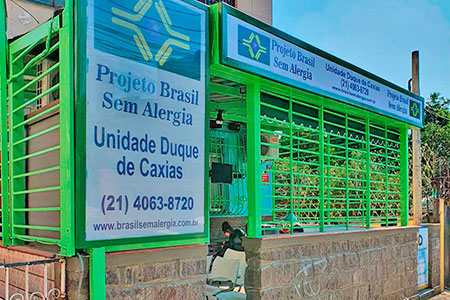 The Brazil Without Allergies Project consolidated its trajectory of care and social inclusion in 2007, when allergists and immunologists Dr. Marcello Bossois and Dr. Patrícia Schlinkert began volunteer work in Duque de Caxias, Rio de Janeiro, to assist the population affected by soot from the Reduc Refinery. What began as an emergency and temporary action became a permanent project of public utility, recognized by Municipal Law 3393 of March 25, 2024. With more than 700,000 consultations carried out, the project is now expanding its reach with the inauguration of a new unit in São Paulo, in the Campo Limpo neighborhood, in the southern part of the capital, reaffirming its commitment to bringing health and quality of life to those who need it most. Through an approach that complements the Brazilian Unified Health System (SUS) and international health systems, the "Brazil Without Allergies" project offers free allergy consultations and tests to identify pathologies such as rhinitis, asthma, bronchitis, atopic dermatitis, sinusitis, urticaria, food hypersensitivity, prurigo strophulus, otitis, and allergic conjunctivitis. The specialized care is provided by pediatric and adult allergists and offers allergy vaccines at affordable prices with the support of the Brazilian Beneficent Association for Allergy Support (ABBAA). In addition to the new unit in Campo Limpo, the project is present in Rio de Janeiro (Duque de Caxias, Realengo, Nova Iguaçu, Itaguaí, Xerém, Niterói, and Iguaba), as well as Curitiba in Paraná, and also has mobile units serving all of Brazil and international operations in Africa and the United States. Prioritizing social inclusion, the project encourages patients with health insurance plans to use their affiliated networks so that free and social care is focused on those who need it most. To schedule your appointment and take the free allergy test, patients can contact us by phone in Rio de Janeiro (21) 4063-8720, in São Paulo (11) 4210-1437, in Curitiba (41) 3542-1838 or via WhatsApp (21) 999545632, obtaining all the information and detailed locations through the official website brasilsemalergia.com.br
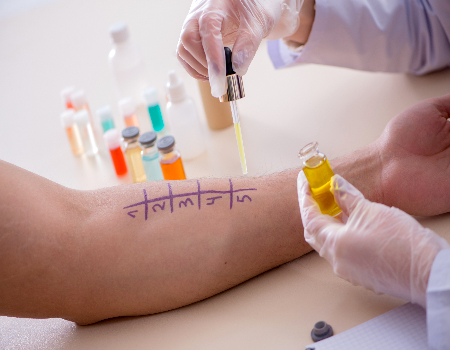 The Brazil Without Allergies Project consolidated its trajectory of care and social inclusion in 2007, when allergists and immunologists Dr. Marcello Bossois and Dr. Patrícia Schlinkert began volunteer work in Duque de Caxias, Rio de Janeiro, to assist the population affected by soot from the Reduc Refinery. What began as an emergency and temporary action became a permanent project of public utility, recognized by Municipal Law 3393 of 2024. With more than 700,000 consultations carried out, the project is now expanding its reach with the inauguration of a new unit in São Paulo, in the Campo Limpo neighborhood, in the southern part of the capital, reaffirming its commitment to bringing health to those who need it most. Through an approach that complements the SUS (Brazilian Public Health System), Brazil Without Allergies offers free and paid allergy testing consultations with allergists for various pathologies. We conduct tests to detect allergies that cause atopic dermatitis, asthma 🌬️, bronchitis 🫁, rhinitis, and prurigo strophulus (allergy to insect bites 🦟), including specific tests for dust, animal dander, food, and mosquitoes. Specialized care is provided by pediatric and adult allergists and offers allergy vaccines at affordable prices with the support of ABBAA. In addition to the new unit in Campo Limpo, the project is present in Rio de Janeiro in Duque de Caxias, Realengo, Nova Iguaçu (Red Cross building), Niterói, São Gonçalo, Maricá, Itaguaí, Xerém, and Iguaba, as well as Curitiba in Paraná, and also has national mobile units and outreach programs in Africa and the United States. Prioritizing social inclusion, the project focuses on providing free care to those who need it most. To schedule your appointment with an allergist and take your allergy test, contact us by phone: Rio de Janeiro ☎️ +55 (21) 4063-8720, São Paulo ☎️ (11) 4210-1437, Curitiba ☎️ +55 (41) 3542-1838 or via WhatsApp 📲 +55 (21) 999545632, obtaining detailed locations and the link to the Campo Limpo map through the official website https://www.brasilsemalergia.com.br/.
 Brazil Without Allergies' specialized care focuses on accurate diagnosis and accessible treatment of conditions such as atopic dermatitis, asthma 🌬️, bronchitis 🫁, rhinitis, and prurigo strophulus (allergy to insect bites 🦟). Our new unit in Campo Limpo, São Paulo, follows the network's standard of excellence, offering tests to detect allergies caused by dust, animal dander, and food. As a social inclusion project that complements the SUS (Brazilian Public Health System), we offer free and paid tests and treatments, relying on the fundamental support of ABBAA to make allergy vaccines available at affordable prices. We prioritize free care for those who need it most, encouraging patients with health insurance to use their own networks. Schedule your free allergy test 🆓 by contacting us at the following numbers: São Paulo ☎️ (11) 4210-1437, Rio de Janeiro ☎️ (21) 4063-8720 or Curitiba ☎️ (41) 3542-1838. You can also access the map of the new Campo Limpo unit or get more details on the institution's official website. Internationally recognized for its actions in Africa and the United States, the Brazil Without Allergies Social Project expands its health protection network with its arrival in Campo Limpo, in the South Zone of São Paulo. With a record of 700,000 consultations, our structure uses fixed clinics and mobile buses to bring allergist consultations and allergy tests to various regions, including Curitiba, Niterói, São Gonçalo, Maricá, Itaguaí and the Baixada Fluminense. We are a non-profit organization that seeks to democratize access to allergy vaccines and specialized treatments for sinusitis, otitis, and allergic conjunctivitis. Operating in accordance with ethical and legal standards, our medical team prioritizes social inclusion and overall well-being. To schedule appointments in São Paulo ☎️ (11) 4210-1437, Rio de Janeiro ☎️ (21) 4063-8720 or via WhatsApp 📲 (21) 999545632. Visit the website https://www.brasilsemalergia.com.br/ to find the unit nearest you and begin your treatment with a team that has been a leader in allergy health since 2007.
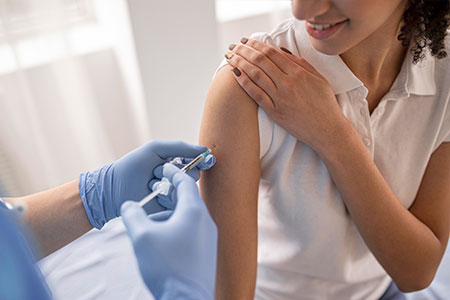 Protect Yourself with Vaccines at the Brazil Without Allergies Project! Vaccines are a safe and effective way to prevent diseases such as influenza, yellow fever 🟡, meningitis, pneumonia 🫁, and various allergies! The Brazil Without Allergies Project offers some free vaccines and medications through campaigns and sponsorships to help you have better health and quality of life. Our Locations — Rio de Janeiro: Duque de Caxias, Nova Iguaçu, Realengo, Itaguaí, Iguaba Grande (Red Cross) and Xerém. Paraná: Curitiba. 🩺 Our Services: We offer vaccines for Bronchitis 🫁, Rhinitis, Asthma, Atopic Dermatitis, and Candidiasis. Schedule your appointment! Phone RJ +55 (21) 4063-8720 and SP 11 4210-1437 ☎️WhatsApp: +55 (21) 999545632 Phone (Curitiba): +55 (41) 3542-1838 ☎️Find Our Locations Visit our website for complete addresses: https://www.brasilsemalergia.com.br/
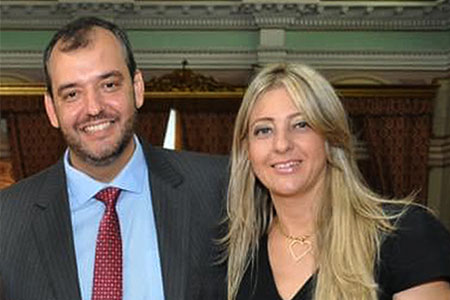 The Brazil Without Allergies Project 🇧🇷❤️ is the result of a journey of care and inclusion that began in 2007, when Dr. Marcello Bossois, an allergist and immunologist in Duque de Caxias, started volunteer work at a community association in the Baixada Fluminense region. What began as temporary support for local residents affected by the high incidence of allergies caused by soot from the region's refinery became a permanent project due to immense social demand. With the arrival of Dr. Patrícia Schlinkert, also an allergist in Duque de Caxias, the initiative strengthened, transforming into a public service organization that has already provided more than 700,000 consultations. Today, the project expands this legacy to São Paulo, with a new unit in the Campo Limpo neighborhood, in the southern part of the capital, reinforcing its mission to democratize access to healthcare. We offer specialized medical care and free 🆓 and paid allergy tests for conditions such as atopic dermatitis, asthma 🌬️, bronchitis 🫁, rhinitis, and prurigo strophulus (insect bite allergy 🦟). Complementing the work of the SUS (Brazilian Public Health System), Brasil Sem Alergia (Brazil Without Allergies) also offers allergy vaccines at affordable prices with the support of ABBAA (Brazilian Association of Allergy and Allergy). In addition to the new Campo Limpo unit, the project maintains units in Rio de Janeiro (Duque de Caxias, Nova Iguaçu, Realengo, Itaguaí, Xerém, Niterói, São Gonçalo, Maricá, and Iguaba Grande) and Paraná (Curitiba), as well as mobile units and international operations. To schedule your appointment with an allergist, contact us by phone: São Paulo ☎️ (11) 4210-1437, Rio de Janeiro ☎️ (21) 4063-8720, Curitiba ☎️ (41) 3542-1838 or via WhatsApp 📲 (21) 999545632. Check the detailed locations, including the Campo Limpo map, on the official website https://www.brasilsemalergia.com.br/.
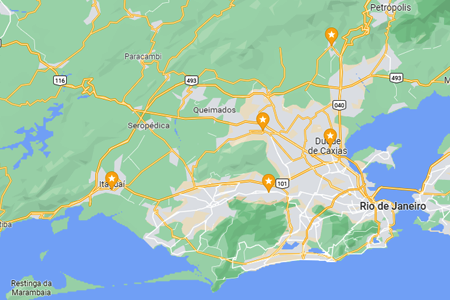 The Brazil Without Allergies Project consolidates its national presence and expands its reach with fixed units in Rio de Janeiro, Paraná, and now, in the capital of São Paulo, in the Campo Limpo neighborhood, South Zone. In addition to the physical clinics, the project has a strategic Mobile Unit that brings specialized medical care and free allergy tests to various cities, facilitating access to healthcare in remote regions. With over 700,000 consultations carried out since 2007 under the coordination of Dr. Marcello Bossois and Dr. Patrícia Schlinkert, the initiative complements the SUS (Brazilian Public Health System), offering support in the diagnosis and treatment of atopic dermatitis, asthma, bronchitis, rhinitis, and prurigo strophulus (allergy to insect bites). The new Campo Limpo unit in São Paulo reinforces this commitment, offering consultations with allergists and tests to identify allergic triggers. The project also provides allergy vaccines at affordable prices with the support of ABBAA, ensuring continuity of treatment. In Rio de Janeiro, fixed units serve Duque de Caxias, Nova Iguaçu (Red Cross), Realengo, Itaguaí, Iguaba Grande, Xerém, and Niterói, while in Paraná, service is provided in Curitiba. Prioritizing social inclusion, Brasil Sem Alergia focuses its efforts on those most in need, with international operations and mobile clinics. To schedule your appointment with an allergist and take your allergy test, contact us by phone: São Paulo ☎️ (11) 4210-1437, Rio de Janeiro ☎️ (21) 4063-8720, Curitiba ☎️ (41) 3542-1838 or via WhatsApp 📲 (21) 99545632. You can check the availability of the mobile unit in your region, see the map of the Campo Limpo unit and find all complete addresses on the official website https://www.brasilsemalergia.com.br/.
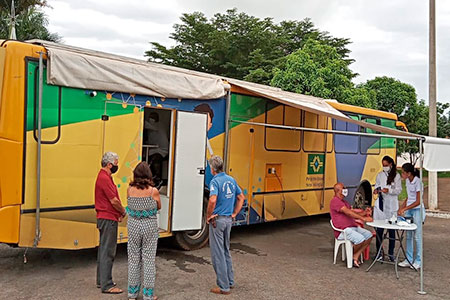 The Brazil Without Allergies Project reinforces its mission of social inclusion through its mobile and itinerant unit, which travels to various regions to bring health and well-being directly to your community. With the goal of democratizing access to specialized diagnosis, our mobile clinic offers consultations with an allergist and free allergy tests 🆓 to identify pathologies such as atopic dermatitis, asthma 🌬️, bronchitis 🫁, rhinitis, and prurigo strophulus (allergy to insect bites 🦟). This itinerant initiative complements the work of our fixed units located in Rio de Janeiro (Duque de Caxias, Nova Iguaçu, Realengo, Itaguaí, Iguaba Grande, Xerém and Niterói), Paraná (Curitiba), and our newest unit in São Paulo, in the Campo Limpo neighborhood, in the southern part of the capital. Working in a complementary way to the SUS (Brazilian Public Health System) and with the support of ABBAA (Brazilian Association of Allergy and Allergy), the project ensures that residents of more remote cities can also receive adequate treatment and allergy vaccines at affordable prices. To find out where our mobile unit is now, what the next destinations will be, or to schedule an appointment at the new Campo Limpo unit in São Paulo, contact us by phone: São Paulo ☎️ (11) 4210-1437, Rio de Janeiro ☎️ (21) 4063-8720 or via WhatsApp 📲 (21) 999545632. You can also check the map of the fixed Campo Limpo unit and get more information about the mobile unit's schedule on the official website https://www.brasilsemalergia.com.br/.


